Combination guide
Can you take Capric Acid and Lauric Acid together?
Clear guide to benefits, risks, and synergy when combining Capric Acid and Lauric Acid.
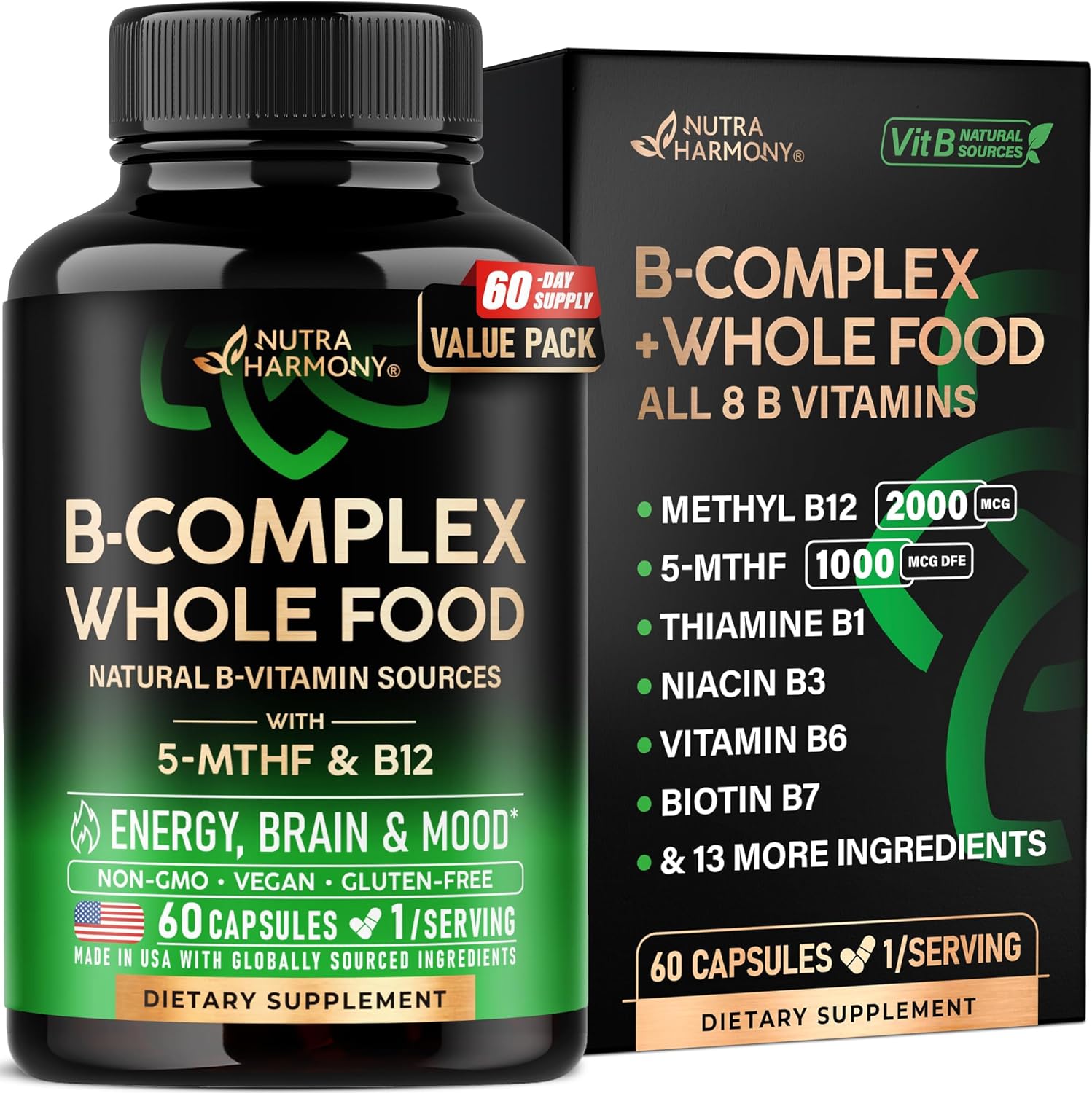
Vitamin B Complex - B1 | B2 | B3 | B5 | B6 | Biotin | B12
Vitamins — check price on Amazon.
Vitamin B Complex - B1 | B2 | B3 | B5 | B6 |…
Check price on AmazonTaking Capric Acid and Lauric Acid together harnesses their complementary strengths as medium-chain fatty acids, where Capric boosts rapid energy via ketones and Lauric delivers potent antimicrobial action through monolaurin, working seamlessly without competition for absorption or metabolism to enhance gut health, immunity, and metabolic efficiency, suggesting a rating of 4 out of 5.
The Combined Strategy
Pairing Capric Acid with Lauric Acid forms a smart, dual-action wellness strategy that tackles energy demands and pathogen defense simultaneously. Capric Acid delivers quick-digesting fuel converted straight to ketones, powering your brain and muscles during daily activities or workouts. Meanwhile, Lauric Acid steps in with monolaurin to disrupt harmful microbes in the gut, creating comprehensive support for vitality and resilience in your routine.
Body Compatibility
Your digestive system processes Capric and Lauric Acids efficiently through distinct yet harmonious pathways. Both bypass typical fat digestion, absorbing directly in the small intestine and traveling via the portal vein to the liver for rapid energy conversion. Capric's shorter chain allows ultra-fast metabolism, while Lauric follows closely without clogging the system, ensuring no overload or competition that could slow things down.
How They Interact
Capric Acid primarily fuels ketogenesis by binding to liver enzymes for instant energy release, distinct from Lauric Acid's role in forming monolaurin that pierces microbial cell walls. Their mechanisms don't overlap, so they enhance rather than hinder each other, with studies on MCT blends showing amplified antimicrobial effects. This non-competitive interplay allows both to thrive, boosting overall benefits without interference.
Disclaimer: Some links on this site are affiliate links. As an Amazon Associate, qualifying purchases may earn us a commission. This content is for informational purposes only and is not medical advice.