Combination guide
Can you take Caffeine and protein together?
Clear guide to benefits, risks, and synergy when combining Caffeine and protein.
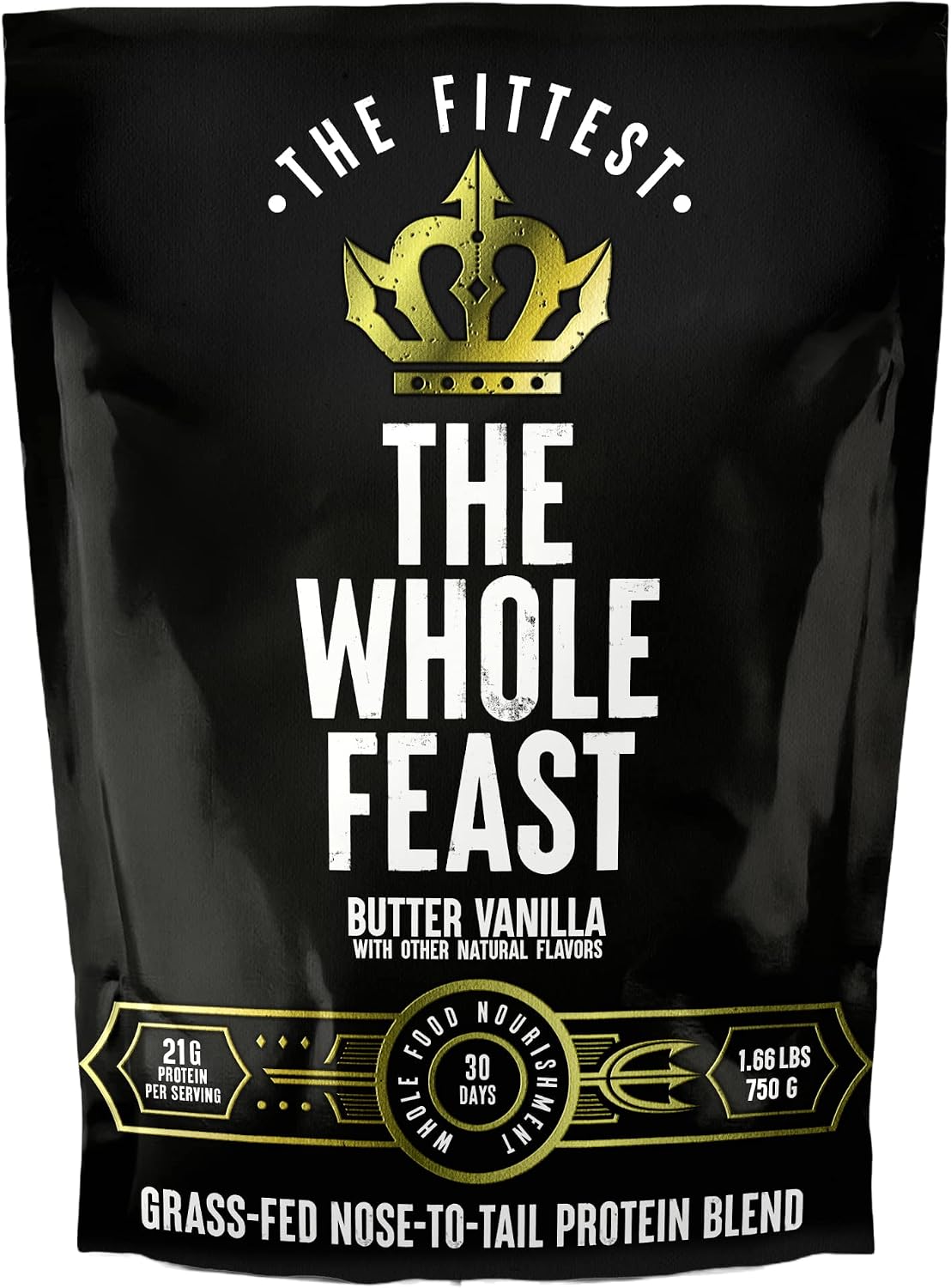
The Fittest Whole Feast Beef Protein Powder — Butter Vanilla 21g Grass-Fed Animal Protein (30 Servings)
Casein — check price on Amazon.
The Fittest Whole Feast Beef Protein Powder —…
Check price on AmazonTaking Caffeine and protein together creates a high-synergy duo ideal for fitness and performance goals, where caffeine delivers quick energy and mental sharpness to power through workouts, while protein provides the building blocks for muscle recovery and growth afterward. They travel through the body via separate pathways without interference, and research shows this combo can enhance fat burning and exercise output without hindering protein utilization. This complementary action on energy and repair makes it a smart, effective pairing, suggesting a rating of 4 out of 5.
The Combined Strategy
Pairing caffeine with protein forms a strategic approach to fitness that tackles both performance and recovery in one routine. Caffeine ramps up your alertness and endurance, helping you train harder and longer by mobilizing fat stores for fuel. Protein then ensures those efforts pay off by delivering amino acids for muscle repair and preventing breakdown. Together, they create a complete cycle that supports sustained progress in strength training or cardio sessions, making your supplement stack more efficient and goal-oriented.
Body Compatibility
Caffeine absorbs rapidly from the stomach and small intestine into the bloodstream, heading straight to the liver for breakdown into metabolites like paraxanthine. Protein, on the other hand, undergoes slow digestion starting in the stomach with enzymes like pepsin, then full breakdown into amino acids in the intestines for gradual absorption. These distinct timelines and routes mean no competition for absorption sites or enzymes, allowing both to process smoothly without digestive overload or metabolic delays.
How They Interact
Caffeine primarily acts as a central nervous system stimulant by blocking adenosine receptors, which boosts adrenaline release and enhances focus and fat oxidation. Protein works through anabolic pathways, where amino acids like leucine trigger muscle protein synthesis via mTOR signaling. With no overlapping receptors or pathways, they operate independently—caffeine energizes without disrupting amino acid uptake, and protein builds without countering caffeine's stimulatory effects.
Disclaimer: Some links on this site are affiliate links. As an Amazon Associate, qualifying purchases may earn us a commission. This content is for informational purposes only and is not medical advice.