Quick Look
| Item | What it is | Curcumin Content | Typical Dose Needed for Study Effects | Absorption Boosters |
|---|---|---|---|---|
| Turmeric (whole spice) | Dried rhizome ground into a bright‑orange powder | ≈3 % curcumin by weight | 3–4 g turmeric (≈90–120 mg curcumin) – far below the 500‑1000 mg curcumin used in most trials | Usually none; black‑pepper in recipes adds piperine but still modest |
| Curcumin (standardized extract) | Concentrated powder, typically 95 % curcuminoids | ≈95 % curcumin (≈950 mg per gram) | 500‑1000 mg curcumin per day (≈0.5‑1 g of 95 % extract) | Piperine (≈20 mg), phytosome (Meriva®), or other lipid‑based delivery systems |
1. Turmeric vs. Curcumin – The Basics
Turmeric is the whole dried root, used as a culinary spice and traditional medicine. It contains roughly 3 % curcumin, the bioactive polyphenol that researchers study.
Curcumin extracts are manufactured to contain 90‑95 % curcuminoids, delivering a dose that matches the amounts used in clinical trials.
Because curcumin is only a small fraction of the spice, eating a typical serving of turmeric (½‑1 tsp ≈ 2‑4 g) provides far less curcumin than the doses proven effective in studies.
2. The Absorption Problem – And How to Fix It
Curcumin is poorly absorbed (bioavailability <1 % when taken alone). The gut metabolizes it quickly and it is rapidly cleared from the bloodstream.
Boosters that have been scientifically validated
- Piperine (black‑pepper alkaloid) – Increases curcumin plasma levels by up to 2000 %** when 20 mg of piperine is co‑taken with 500 mg curcumin (Shoba 1998).
- Phytosome technology (e.g., Meriva®) – Curcumin is bound to phosphatidylcholine; clinical data show 2‑4‑fold higher AUC versus unformulated curcumin.
- Other lipid‑based systems – Micellar, nano‑emulsion, or solid‑lipid carriers similarly improve solubility and uptake.
** The 2000 % figure comes from a single early human study; later work suggests a more modest 5‑10‑fold increase, but the effect is still clinically meaningful.
3. How Much Do You Need?
Turmeric (spice)
- Typical culinary use: ½–1 tsp (≈2‑4 g) → 60‑120 mg curcumin.
- Even with added black pepper, plasma curcumin rarely reaches the 500‑1000 mg range studied for therapeutic effect.
Standardized Curcumin Extract
- Most human trials on joint health, inflammation, and metabolic outcomes used 500‑1000 mg of 95 % curcumin per day.
- When combined with a booster (piperine or phytosome), the effective dose can be maintained at the lower end (≈500 mg).
4. What Does the Research Say? (Joint & Inflammation)
Key meta‑analyses (2020‑2023) on osteoarthritis and rheumatoid arthritis report:
- Significant reduction in pain scores (average ≈ 20 % vs. placebo).
- Improved joint function (WOMAC scores) with 500‑1500 mg curcumin daily for ≥8 weeks.
- Benefits are most consistent when the extract is bio‑enhanced (piperine or phytosome).
Studies using whole turmeric powder have produced mixed results, largely because the curcumin dose is sub‑therapeutic.
5. Safety & Interactions
- Blood‑thinning effect: Curcumin can inhibit platelet aggregation. People on anticoagulants (warfarin, apixaban, clopidogrel, etc.) should consult a clinician before high‑dose supplementation.
- Generally well tolerated up to 2 g/day of standardized extract. Minor GI upset (nausea, diarrhea) may occur at very high doses.
- Pregnant and breastfeeding women should limit intake to culinary amounts unless advised otherwise.
6. Frequently Asked Questions
- Q: Is “golden milk” enough to get the health benefits of curcumin?
- A: Golden milk typically uses ½‑1 tsp turmeric plus a pinch of black pepper. This delivers ~60‑120 mg curcumin—far below the therapeutic range. It can be a pleasant daily habit, but don’t expect the same joint‑pain relief shown in clinical trials.
- Q: Do I need to add black pepper every time I take turmeric?
- A: Adding ~¼ tsp ground black pepper (≈2 mg piperine) does improve absorption, but the boost is modest compared with a dedicated piperine supplement (20 mg). For therapeutic dosing, a standardized product with built‑in piperine or phytosome is more reliable.
- Q: Can I take curcumin with other supplements?
- Yes. Curcumin pairs well with omega‑3 fatty acids, vitamin D, and glucosamine for joint health. Avoid stacking multiple strong blood‑thinners.
- Q: How long before I notice an effect?
- Most trials report measurable pain reduction after 4‑8 weeks of consistent dosing. Benefits are cumulative; stop if you see no change after 12 weeks.
7. Product Guidance – What to Look For
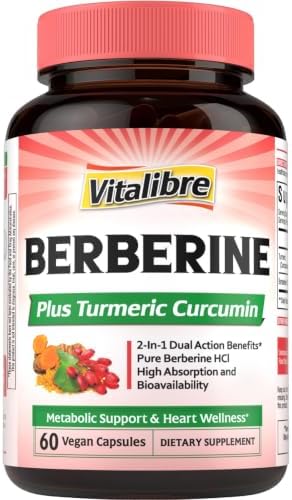
- Standardized curcumin content – 95 % curcuminoids (often labeled “95 % curcumin” or “Standardized Extract”).
- Absorption enhancer – Either:
- piperine (≈20 mg per serving) – look for “+ BioPerine®” or similar, or
- phytosome/meriva technology – marketed as “Curcumin Phytosome”, “Meriva®”, “Curcumin‑Complex” etc.
- Dosage per serving – 500‑1000 mg curcumin (equivalent) with the booster built‑in.
- Third‑party testing – Look for USP, NSF, ConsumerLab, or Informed‑Sport certification to verify potency and contaminants.
- Additional ingredients – Minimal filler; avoid unnecessary herbs that could interact with medications.
Example product criteria (illustrative only):
- Label: “Curcumin 95 % (500 mg) + BioPerine® 20 mg”
- Third‑party tested for heavy metals & pesticide residues
- Capsules: 2 per day with meals