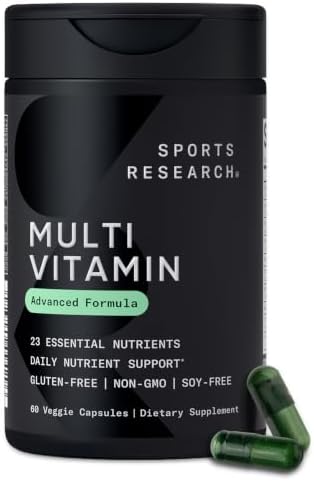
How This Specialized Protein Accelerates Healing and Strengthens Recovery
When your body experiences injury—whether from a surgical procedure, wound, or strain—tissue repair becomes a critical biological priority. This complex process involves inflammation, new cell growth, and rebuilding structural support at the damaged site. While many factors influence healing, collagen—particularly Type III Collagen—plays a starring role in ensuring efficient and resilient recovery.
Why Type III Collagen Matters for Healing
Type III Collagen (often labeled as Type 3 Collagen) is a flexible, fibrillar protein abundant in skin, blood vessels, and internal organs. It acts as a "scaffold" during early-stage healing:
- Rapid Framework Formation: It’s the first collagen deposited after injury, creating a flexible mesh that guides new cell growth and blood vessel development.
- Supports Granulation Tissue: Forms the foundation for temporary healing tissue, which later matures into stronger structures.
- Enhances Elasticity: Its fine fibers provide elasticity to newly formed skin and connective tissues, reducing stiffness.
How Supplementation Supports Tissue Repair
While your body produces Type III Collagen naturally, targeted supplementation may optimize recovery:
- Building Block Supply: Supplements provide peptides that are broken down into amino acids (like glycine and proline), which the body uses to synthesize new collagen at injury sites.
- Stimulating Fibroblast Activity: Bioactive peptides in collagen supplements signal fibroblasts (repair cells) to accelerate collagen production and migration to wounds.
- Reducing Recovery Time: Studies suggest supplementation may shorten inflammation phases and speed up tissue remodeling.
Synergy and Safety Considerations
Type III Collagen works synergistically with other compounds to enhance repair:
- Vitamin C Partnership: Vitamin C is essential for collagen synthesis. Combining it with Type III Collagen ensures efficient fiber assembly.
- Zinc & Copper: These minerals activate enzymes that stabilize collagen structure, improving tissue strength.
Contraindications:
- Avoid if allergic to bovine, marine, or poultry sources (common supplement bases).
- Consult a doctor before use if pregnant, nursing, or taking immunosuppressants.
- High doses may cause mild digestive discomfort; start with smaller amounts.
Maximizing Your Healing Potential
For best results:
- Choose hydrolyzed (broken-down) collagen for better absorption.
- Pair with vitamin C-rich foods (citrus, bell peppers) or a supplement.
- Time intake around exercise if repairing muscle or tendon injuries—physical activity boosts collagen utilization.