How Quercetin Can Help Calm the Storm of Histamine Reactions
Allergies occur when your immune system mistakenly identifies harmless substances—like pollen, dust, or pet dander—as dangerous invaders. This triggers a cascade of chemicals, including histamine, that cause familiar symptoms: sneezing, itchy eyes, nasal congestion, and skin reactions. While avoiding triggers and medications like antihistamines are common approaches, certain natural compounds may offer complementary support.
The Power of Quercetin for Allergy Relief
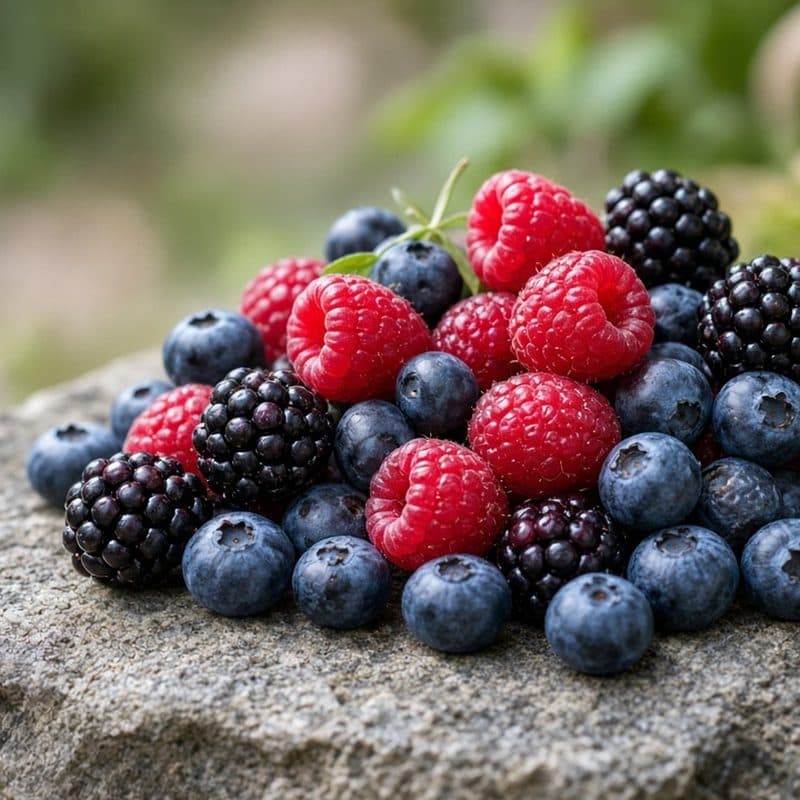
Among natural options, quercetin stands out for its science-backed potential in managing allergy symptoms. This plant pigment (a flavonoid) found in foods like apples, onions, berries, and capers acts as a natural stabilizer for your immune cells.
How Quercetin Works Against Allergies
- Mast Cell Stabilizer: Quercetin helps prevent mast cells (key players in allergic reactions) from releasing histamine. By stabilizing these cells, it reduces the initial flood of inflammatory chemicals.
- Anti-Inflammatory Action: It inhibits enzymes that drive inflammation (like COX and LOX), easing swelling and irritation in nasal passages and airways.
- Antioxidant Shield: As a potent antioxidant, quercetin neutralizes free radicals generated during allergic reactions, protecting tissues from oxidative damage.
Using Quercetin Effectively
While quercetin-rich foods are beneficial, therapeutic doses for allergies typically require supplements (500–1000 mg daily). For best absorption:
- Choose supplements with vitamin C or bromelain (an enzyme from pineapple), which enhance quercetin's bioavailability.
- Start supplementation 4–6 weeks before allergy season for preventive effects.
- Take with healthy fats (like avocado or nuts) since quercetin is fat-soluble.
Important Considerations
Quercetin is generally safe but consult your doctor if:
- You take blood thinners (warfarin) or antibiotics (quinolones), as interactions may occur.
- You have kidney issues—high doses may stress kidneys.
- You're pregnant or breastfeeding (limited safety data).
Synergy Note: Quercetin pairs well with nettles (another natural antihistamine) and vitamin C (which recycles quercetin for prolonged activity). Avoid combining with immunosuppressants unless supervised by a healthcare provider.