Combination guide
Can you take Berberine and Monolaurin together?
Clear guide to benefits, risks, and synergy when combining Berberine and Monolaurin.
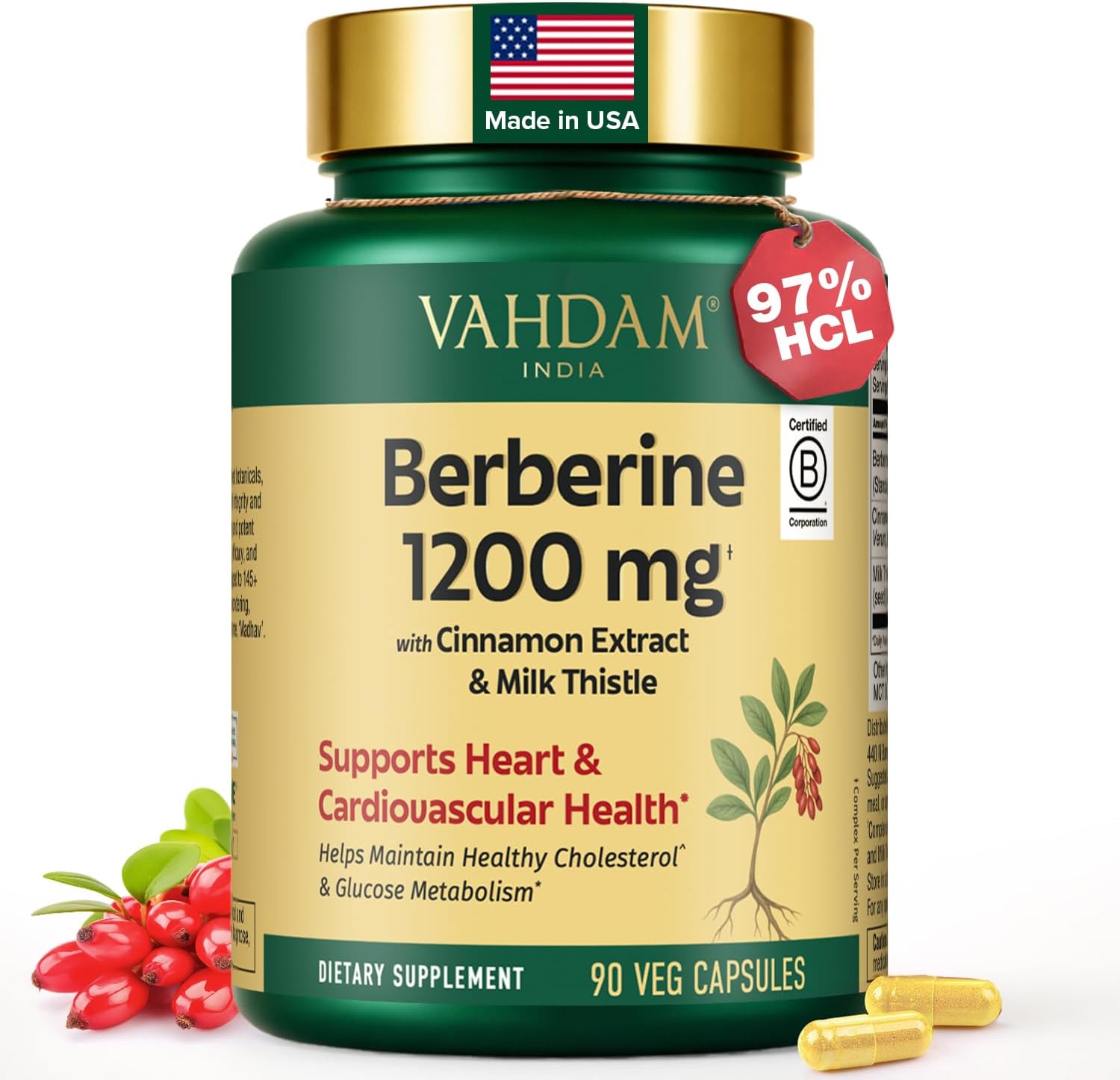
VAHDAM Berberine 97% HCL 1200mg — Glucose Metabolism (90ct)
Berberine HCL 1200mg for glucose metabolism support — check price on Amazon.
VAHDAM Berberine 97% HCL 1200mg — Glucose Met…
Check price on AmazonTaking Berberine and Monolaurin together offers a powerful complementary approach to supporting gut health and immune function, as Berberine helps regulate blood sugar and modulate the gut microbiome while Monolaurin targets pathogens like bacteria, viruses, and fungi through membrane disruption. Their mechanisms align without interference, enhancing overall antimicrobial and metabolic support without known negative interactions. This makes them a high-synergy duo for those tackling infections or digestive imbalances, suggesting a rating of 4 out of 5.
The Combined Strategy
By combining Berberine and Monolaurin, you create a multi-layered defense for your digestive and immune systems. Berberine tackles blood sugar spikes and overgrown harmful bacteria in the gut, promoting long-term metabolic balance. Meanwhile, Monolaurin sweeps through by dismantling the outer layers of viruses and tough microbes that Berberine might not fully address. This duo covers immediate pathogen control and sustained gut harmony, making it ideal for routines focused on vitality and resilience against everyday invaders.
Body Compatibility
The body processes Berberine mostly in the intestines, where it stays active locally due to its low absorption into the bloodstream, influencing gut cells and microbes directly. Monolaurin, derived from lauric acid, gets absorbed more readily and circulates systemically to reach various tissues. They use separate pathways—Berberine via gut transporters and Monolaurin through fat metabolism—so there's no competition for absorption or processing. This smooth journey prevents digestive overload or metabolic bottlenecks, allowing both to perform effectively side by side.
How They Interact
Berberine activates enzymes like AMPK to regulate energy and inhibits bacterial growth by blocking their communication and replication. Monolaurin works differently by embedding into pathogen membranes, causing them to burst open without affecting human cells much. Their actions don't overlap or counteract; instead, they complement each other in fighting infections. Berberine's targeted modulation pairs well with Monolaurin's broad disruption, enabling simultaneous operation for enhanced protection.
Disclaimer: Some links on this site are affiliate links. As an Amazon Associate, qualifying purchases may earn us a commission. This content is for informational purposes only and is not medical advice.