
Combination guide
Can you take Beet Juice and BCAAs together?
Clear guide to benefits, risks, and synergy when combining Beet Juice and BCAAs.
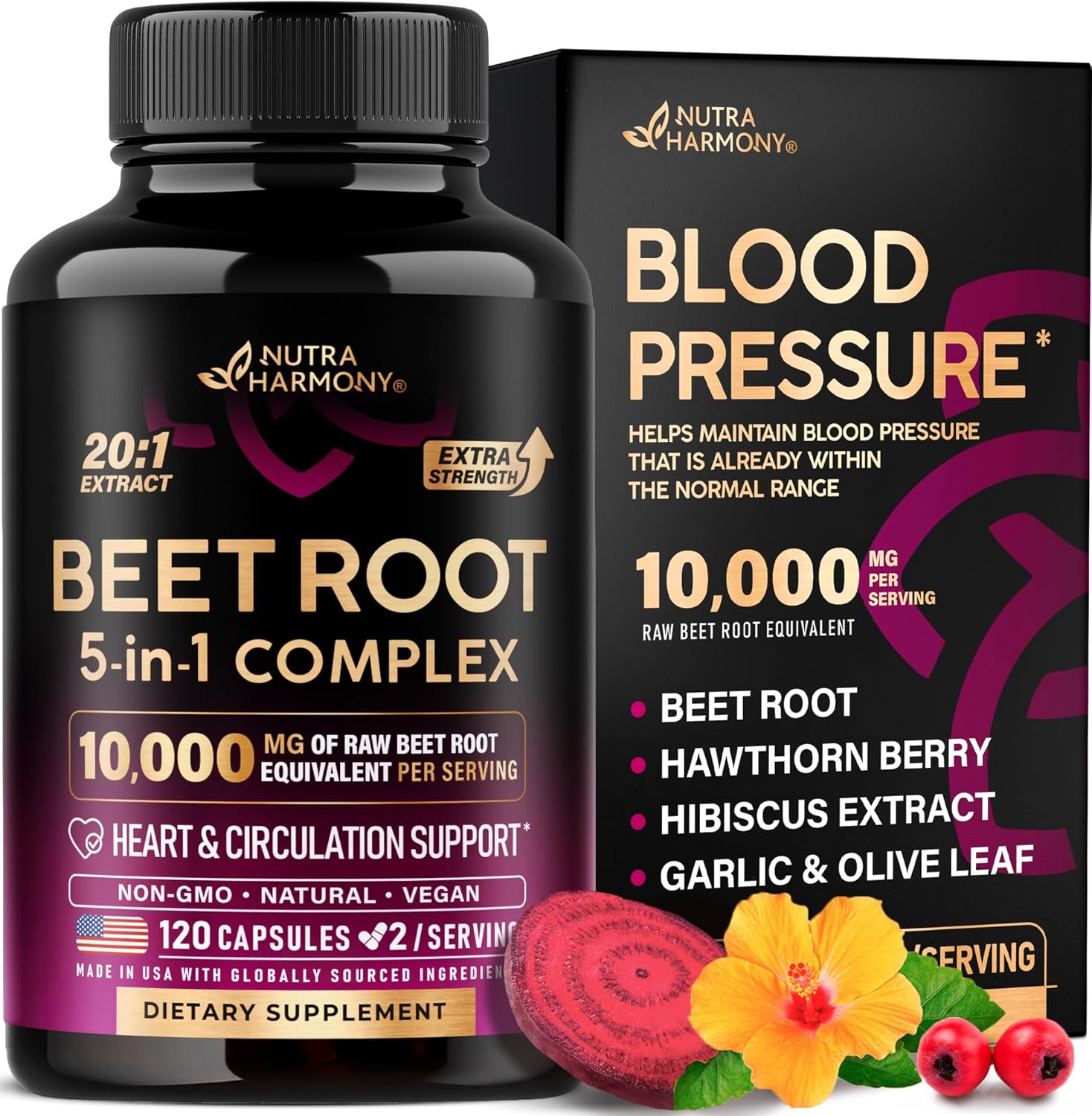
Beet Root Capsules - 5-in-1 Complex - Heart and Circulation Support
Antimicrobials — check price on Amazon.
Beet Root Capsules - 5-in-1 Complex - Heart a…
Check price on AmazonTaking BCAAs and Beet Juice together provides complementary support for exercise performance and recovery, as BCAAs fuel muscles directly while beet juice improves blood flow and oxygen delivery. They target overlapping goals like reducing fatigue and enhancing endurance without any known conflicts. This high compatibility suggests a rating of 4 out of 5.
The Combined Strategy
Pairing BCAAs with beet juice creates a powerful duo for anyone pushing their physical limits during workouts or training sessions. BCAAs step in to protect and repair muscle tissue by providing essential building blocks that prevent breakdown during intense exercise. Meanwhile, beet juice ramps up nitric oxide production to widen blood vessels, ensuring muscles get more oxygen and nutrients efficiently. Together, they form a complete strategy that tackles both muscle preservation and circulatory efficiency for sustained performance.
Body Compatibility
Your digestive system processes BCAAs and beet juice along separate pathways, minimizing any chance of interference. BCAAs, as amino acids, get absorbed quickly in the small intestine and head straight to muscles for energy and repair. Beet juice's nitrates travel through the stomach into the bloodstream, where saliva bacteria help convert them to nitric oxide over time. Because they use different absorption routes and timelines, your body handles them smoothly without digestive overload or metabolic clashes.
How They Interact
BCAAs primarily activate muscle protein synthesis by signaling pathways like mTOR to build and maintain lean tissue during and after exercise. Beet juice, on the other hand, boosts nitric oxide levels to relax blood vessels and improve oxygen utilization in working muscles. These actions occur in distinct biological arenas—muscular versus vascular—so they enhance each other indirectly by optimizing overall workout capacity without competing for the same resources.
Disclaimer: Some links on this site are affiliate links. As an Amazon Associate, qualifying purchases may earn us a commission. This content is for informational purposes only and is not medical advice.