
Combination guide
Can you take Astaxanthin and Collagen Type 3 together?
Clear guide to benefits, risks, and synergy when combining Astaxanthin and Collagen Type 3.
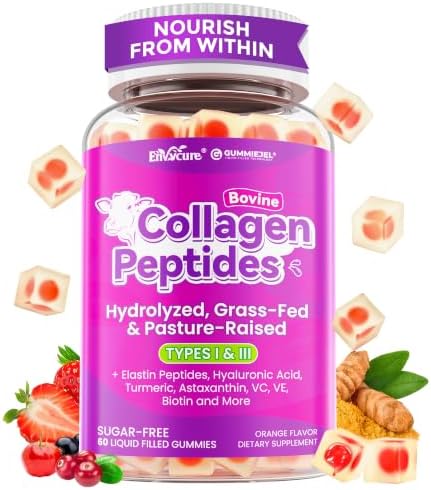
Collagen Peptides Gummies with Biotin & Glutathione
Peptides From Rice — check price on Amazon.
Collagen Peptides Gummies with Biotin & Gluta…
Check price on AmazonTaking Astaxanthin and Collagen Type 3 together provides a powerful dual-action approach to skin health, where Astaxanthin's potent antioxidant properties protect existing collagen from oxidative damage, and Collagen Type 3 delivers essential amino acids to rebuild and strengthen skin structure. This complementary pairing enhances elasticity, reduces wrinkles, and supports overall tissue resilience without any absorption conflicts or adverse interactions, suggesting a rating of 4 out of 5.
The Combined Strategy
Pairing Astaxanthin with Collagen Type 3 creates a smart, multi-layered strategy for long-term skin and connective tissue health. Astaxanthin tackles environmental stressors like UV radiation and pollution by neutralizing free radicals that break down collagen over time. Collagen Type 3 steps in to replenish the skin's supportive framework, boosting hydration and firmness from within. This duo covers protection against daily wear-and-tear while fueling repair and renewal, making it ideal for anyone pursuing vibrant, youthful skin as part of their wellness routine.
Body Compatibility
Your body handles Astaxanthin and Collagen Type 3 seamlessly through separate digestive and metabolic pathways. Astaxanthin, a fat-soluble carotenoid, gets absorbed in the small intestine alongside fats and shuttled via lipoproteins to cells for antioxidant action. Collagen Type 3 breaks down into bioactive peptides during stomach acid and enzyme digestion, entering the bloodstream to reach fibroblasts in skin and organs. With no shared transporters or enzymes, they avoid competition, ensuring full bioavailability and efficient delivery without digestive overload.
How They Interact
Astaxanthin and Collagen Type 3 operate in harmony without clashing mechanisms, amplifying each other's skin benefits. Astaxanthin embeds in cell membranes to quench singlet oxygen and peroxides that degrade collagen fibers. Collagen Type 3 provides proline and glycine, signaling cells to synthesize fresh Type 3 fibers for elasticity. Their non-overlapping roles—one defensive, one constructive—allow simultaneous action, where protection preserves what Collagen Type 3 builds.
Disclaimer: Some links on this site are affiliate links. As an Amazon Associate, qualifying purchases may earn us a commission. This content is for informational purposes only and is not medical advice.