
Combination guide
Can you take Astaxanthin and BCAAs together?
Clear guide to benefits, risks, and synergy when combining Astaxanthin and BCAAs.
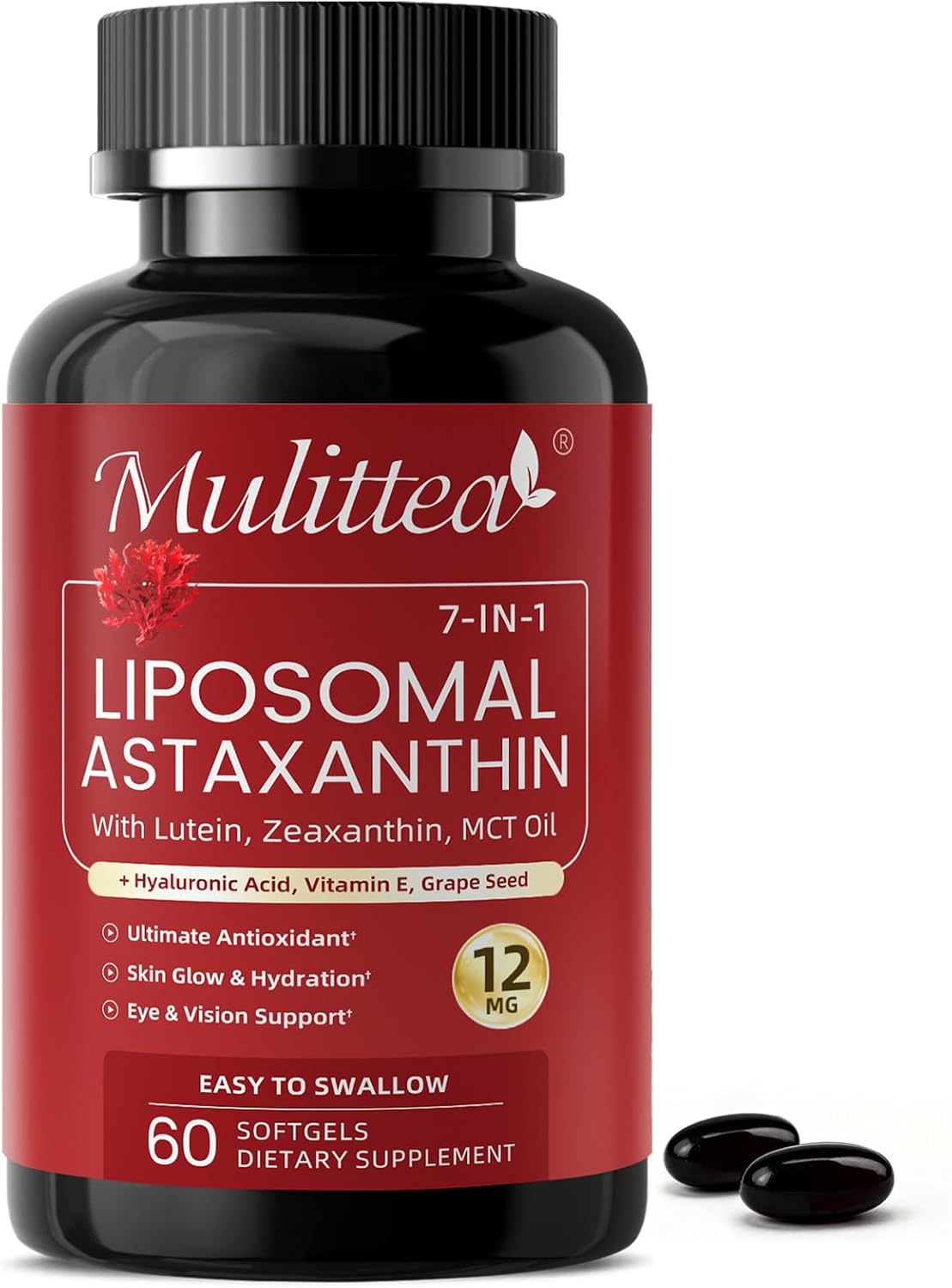
Astaxanthin Antioxidant Softgels — Eye, Skin & Cellular Defense
Mulittea liposomal astaxanthin 12mg + lutein — check price on Amazon.
Astaxanthin Antioxidant Softgels — Eye, Skin…
Check price on AmazonTaking Astaxanthin and BCAAs together provides high synergy for exercise recovery and muscle health, as Astaxanthin neutralizes exercise-induced oxidative stress and inflammation while BCAAs deliver essential amino acids to fuel protein synthesis and reduce muscle breakdown. Their complementary actions target the same goal—optimizing workout performance and repair—without any known negative interactions or competition for absorption. This makes them an excellent stack for active individuals, suggesting a rating of 4 out of 5.
The Combined Strategy
By combining Astaxanthin and BCAAs, you create a powerful dual-action approach to fitness and recovery that covers both protection and repair. Astaxanthin acts as a frontline defender against the free radicals and inflammation generated during intense workouts, preserving muscle integrity and boosting endurance. Meanwhile, BCAAs supply the leucine-driven signals and building blocks needed for rapid muscle rebuilding, ensuring your body bounces back faster. This strategy turns a standard routine into a comprehensive recovery system, ideal for athletes pushing their limits.
Body Compatibility
The body processes Astaxanthin and BCAAs through entirely separate pathways, ensuring smooth compatibility without any metabolic clashes. Astaxanthin, being fat-soluble, gets absorbed in the small intestine with dietary fats, then travels to the liver and tissues for antioxidant deployment. BCAAs, as amino acids, are quickly taken up from the gut into the bloodstream and shuttled directly to muscles for energy and synthesis. These distinct 'lanes'—lipid-based for Astaxanthin and amino acid transport for BCAAs—prevent competition, allowing both to reach their targets efficiently during digestion and metabolism.
How They Interact
Astaxanthin and BCAAs operate through non-overlapping mechanisms, enabling them to support each other indirectly in muscle health. Astaxanthin quenches reactive oxygen species and modulates inflammatory pathways like NF-kB, protecting cells from workout damage. BCAAs, particularly leucine, activate the mTOR pathway to ramp up protein synthesis and spare muscle tissue during exercise. With no shared receptors or pathways, they perform simultaneously—Astaxanthin safeguarding the environment while BCAAs build within it—enhancing overall recovery without interference.
Disclaimer: Some links on this site are affiliate links. As an Amazon Associate, qualifying purchases may earn us a commission. This content is for informational purposes only and is not medical advice.