
Combination guide
Can you take Arginine and Beet Juice together?
Clear guide to benefits, risks, and synergy when combining Arginine and Beet Juice.
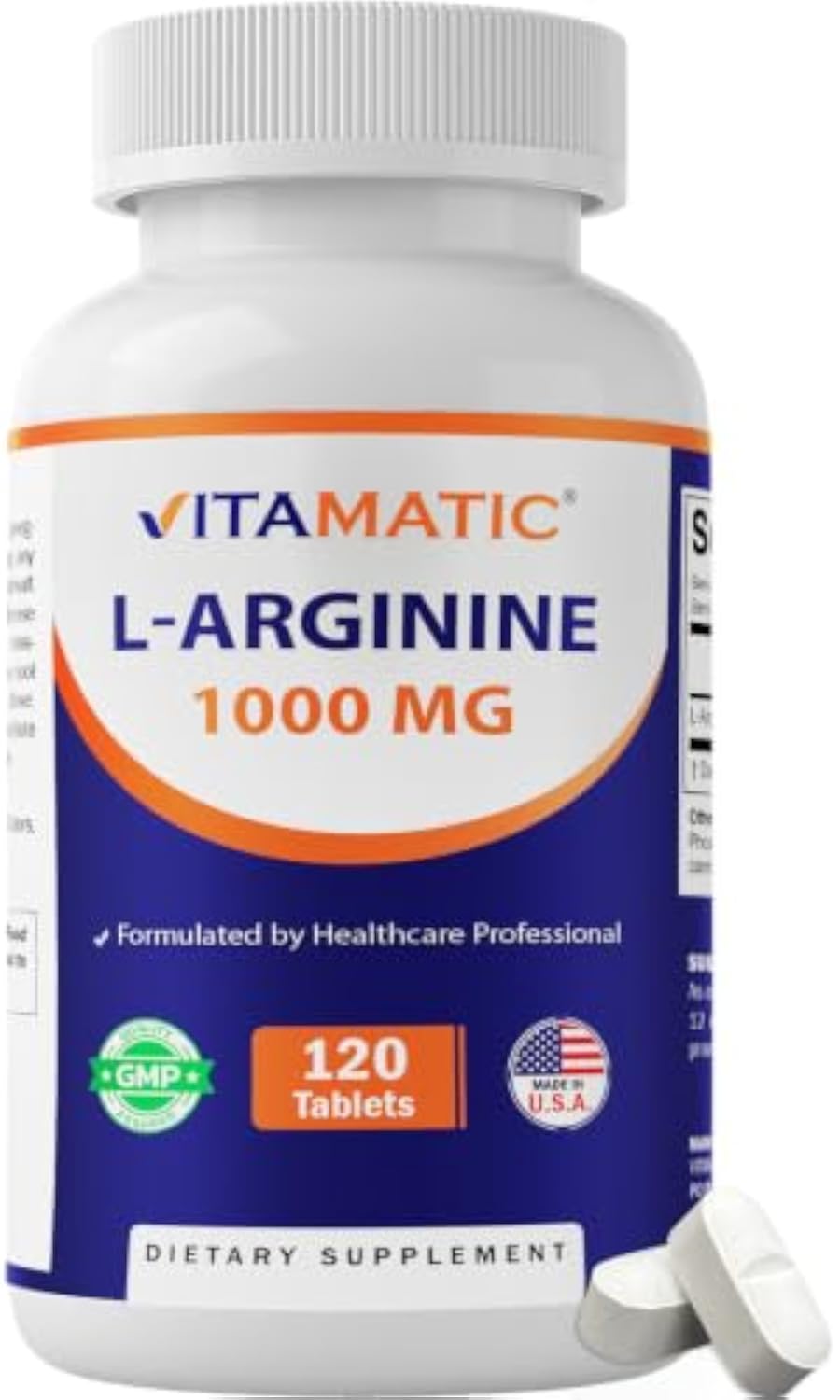
Vitamatic L-Arginine Tablets
L-Arginine tablets — check price on Amazon.
Vitamatic L-Arginine Tablets
Check price on AmazonTaking Arginine and Beet Juice together creates a high-synergy duo for nitric oxide production, as Arginine acts as a direct precursor through the enzymatic pathway while Beet Juice delivers nitrates that convert via an independent bacterial route. This complementary action enhances blood flow, exercise performance, and vascular health more effectively than either alone, with no known negative interactions. Their parallel mechanisms amplify benefits safely, suggesting a rating of 4 out of 5.
The Combined Strategy
Pairing Arginine with Beet Juice forms a smart, dual-action plan for optimizing blood flow and energy in daily life or workouts. Arginine tackles the direct synthesis of nitric oxide using body enzymes, providing quick vessel relaxation for immediate pumps. Meanwhile, Beet Juice ensures a steady nitrate supply that bacteria convert to nitric oxide over time, covering sustained circulation needs. This covers multiple angles of vascular support, making it a go-to stack for active lifestyles.
Body Compatibility
Your body handles Arginine and Beet Juice smoothly through separate processing routes that avoid any clashes. Arginine gets absorbed quickly in the small intestine, then heads to cells and blood vessels for nitric oxide conversion. Beet Juice's nitrates start breaking down in the mouth via saliva bacteria, continue in the stomach, and enter the bloodstream without competing for the same transporters. These distinct paths mean no absorption bottlenecks or metabolic overload, allowing full benefits from both.
How They Interact
Arginine boosts nitric oxide by supplying raw material to the nitric oxide synthase enzyme in blood vessel cells, triggering relaxation. Beet Juice supports this indirectly through nitrates, which friendly mouth and gut bacteria turn into nitrites and then nitric oxide via a non-enzymatic path. Since these mechanisms run in parallel without overlapping enzymes or resources, they enhance each other for greater total nitric oxide output and blood flow without interference or excess buildup.
Disclaimer: Some links on this site are affiliate links. As an Amazon Associate, qualifying purchases may earn us a commission. This content is for informational purposes only and is not medical advice.