Combination guide
Can you take Apple Pectin and Bergamot together?
Clear guide to benefits, risks, and synergy when combining Apple Pectin and Bergamot.
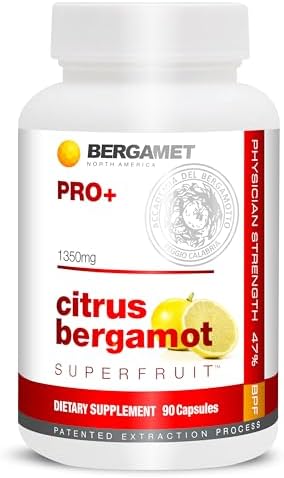
BergaMet Citrus Bergamot SuperFruit PRO+ with Olive Leaf
Oleic Acid — check price on Amazon.
BergaMet Citrus Bergamot SuperFruit PRO+ with…
Check price on AmazonTaking Apple Pectin and Bergamot together provides high synergy for managing cholesterol levels through complementary pathways. Apple Pectin acts as a soluble fiber in the gut, binding bile acids to promote cholesterol excretion, while Bergamot's flavonoids directly inhibit cholesterol synthesis in the liver. This dual mechanism enhances lipid-lowering effects without negative interactions, making them an effective pair for heart health support, suggesting a rating of 4 out of 5.
The Combined Strategy
Combining Apple Pectin and Bergamot creates a comprehensive strategy for cardiovascular wellness by addressing cholesterol from multiple angles. Apple Pectin focuses on clearing out excess cholesterol through the digestive system, supporting long-term gut integrity and detoxification. Meanwhile, Bergamot targets cholesterol production at its source in the liver, providing systemic benefits like improved blood vessel health. Together, they form a balanced routine that covers immediate binding and removal with preventive synthesis control, ideal for anyone building sustainable heart-focused habits.
Body Compatibility
The body handles Apple Pectin and Bergamot through separate processing routes, ensuring excellent compatibility. Apple Pectin, as a dietary fiber, stays primarily in the gastrointestinal tract, swelling with water to form a gel that traps bile acids without entering the bloodstream. Bergamot's key compounds, such as brutieridin and melitidin, get absorbed quickly into the blood to reach the liver and influence enzyme activity. This division of labor prevents any overlap in absorption or metabolism, allowing both to function fully without slowing each other down.
How They Interact
Apple Pectin and Bergamot interact neutrally but complementarily, as their mechanisms target cholesterol differently. Pectin works mechanically in the intestines by binding bile acids coated in cholesterol, which forces the liver to pull from blood cholesterol stores for replacement. Bergamot acts enzymatically by blocking HMG-CoA reductase in liver cells, curbing new cholesterol creation. With no shared pathways or competition for the same biological targets, they amplify each other's cholesterol-lowering impact seamlessly.
Disclaimer: Some links on this site are affiliate links. As an Amazon Associate, qualifying purchases may earn us a commission. This content is for informational purposes only and is not medical advice.