
Combination guide
Can you take Amla and Vitamin C together?
Clear guide to benefits, risks, and synergy when combining Amla and Vitamin C.
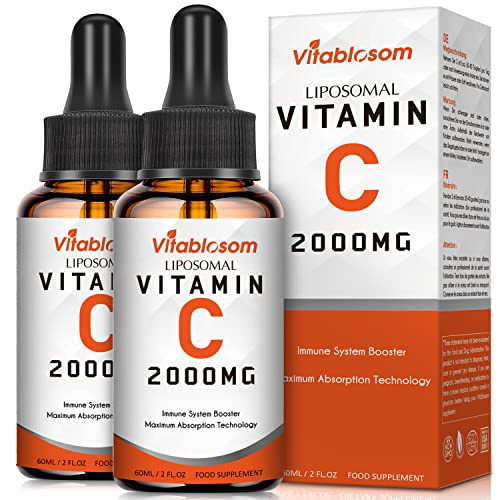
Vitablosom Liposomal Vitamin C 2000mg Liquid
Liposomal vitamin C liquid for antioxidant support — check price on Amazon.
Vitablosom Liposomal Vitamin C 2000mg Liquid
Check price on AmazonTaking Amla and Vitamin C together creates a powerful antioxidant powerhouse, as Amla's natural polyphenols and tannins stabilize and enhance the bioavailability of Vitamin C, preventing its rapid oxidation in the body. This combination amplifies immune support, collagen production, and cellular protection far beyond either alone, with studies showing Amla extract boosts Vitamin C plasma levels and efficacy. Their chemical synergy makes this duo exceptionally effective for daily wellness, suggesting a rating of 5 out of 5.
The Combined Strategy
By combining Amla and Vitamin C, you create a comprehensive defense against oxidative stress that tackles both immediate free radical damage and long-term inflammation. Amla delivers a slow-release form of Vitamin C bound to tannins for sustained antioxidant activity, while supplemental Vitamin C provides a quick boost for collagen synthesis and immune response. This dual-action approach covers digestive health from Amla's fiber and polyphenols alongside Vitamin C's role in iron absorption and wound healing, forming a well-rounded daily routine for vitality and resilience.
Body Compatibility
The body processes Amla and Vitamin C smoothly through parallel pathways with no conflicts. Amla breaks down in the stomach and small intestine, releasing its nutrients including natural Vitamin C, polyphenols, and fiber that support gut health without overwhelming absorption sites. Vitamin C enters the bloodstream directly via sodium-dependent transporters in the gut, and excess is simply excreted in urine since it's water-soluble. Their different metabolic 'lanes'—Amla's holistic processing versus Vitamin C's rapid uptake—ensure they coexist harmoniously, avoiding any digestive bottlenecks or competition.
How They Interact
Amla and Vitamin C interact synergistically at a chemical level, where Amla's tannins and flavonoids inhibit Vitamin C oxidation, extending its active lifespan in the body. While Vitamin C acts as a primary electron donor to neutralize free radicals, Amla's compounds regenerate oxidized Vitamin C, creating a recycling loop that amplifies total antioxidant capacity. Their mechanisms complement rather than overlap, with Amla enhancing bioavailability and Vitamin C fueling enzymatic reactions, allowing seamless teamwork without interference.
Disclaimer: Some links on this site are affiliate links. As an Amazon Associate, qualifying purchases may earn us a commission. This content is for informational purposes only and is not medical advice.