
Combination guide
Can you take Amla and Lactobacillus reuteri together?
Clear guide to benefits, risks, and synergy when combining Amla and Lactobacillus reuteri.
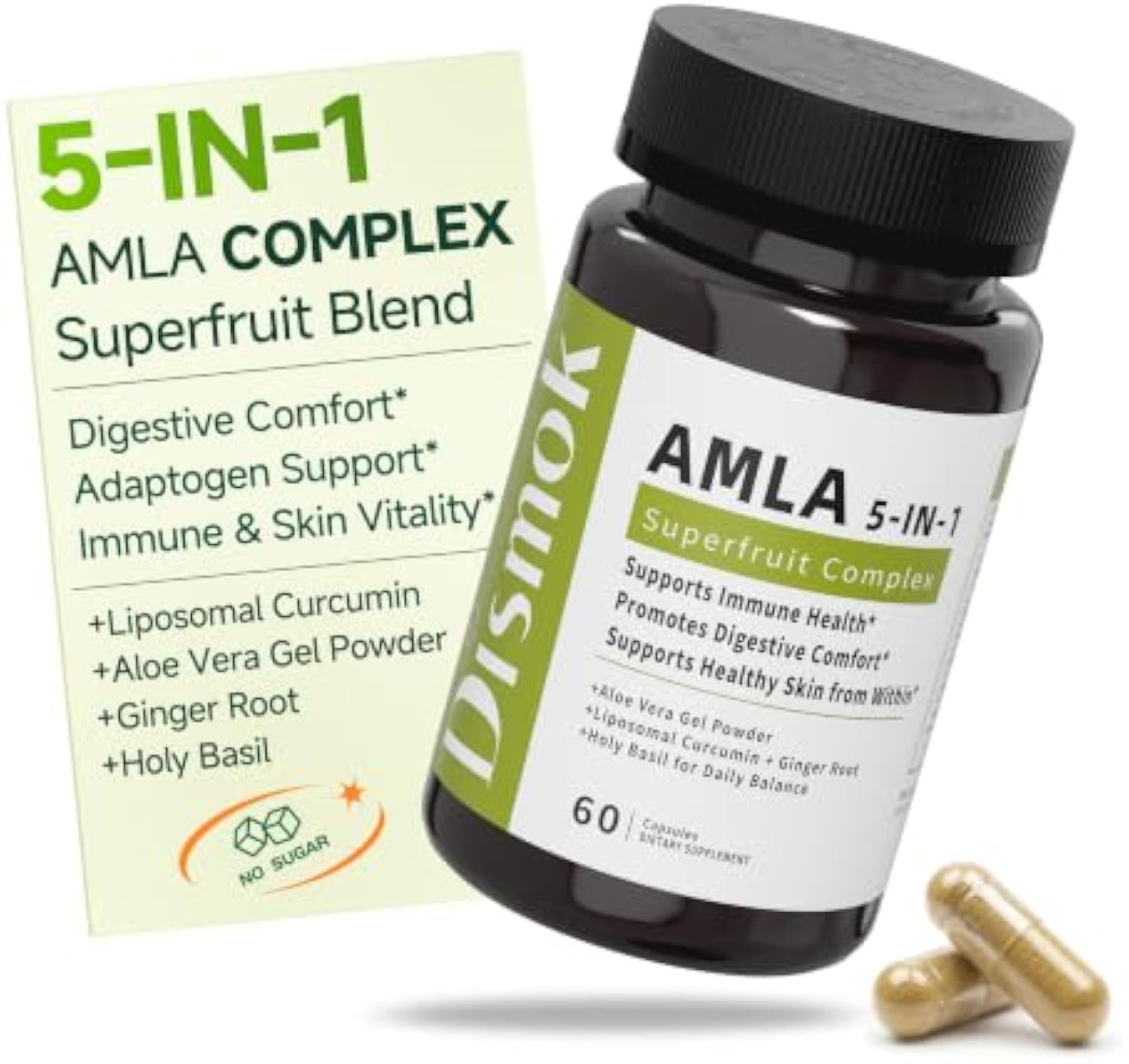
Dismok Amla Complex Capsules
Amla indian gooseberry capsules — check price on Amazon.
Dismok Amla Complex Capsules
Check price on AmazonTaking Amla and Lactobacillus reuteri together provides high synergy for gut and immune health, as Amla's polyphenols act as prebiotics to nourish beneficial bacteria like Lactobacillus reuteri, enhancing its colonization and pathogen-fighting abilities. Amla's vitamin C and antioxidants bolster the probiotic's immune-modulating effects without any absorption conflicts. This complementary action supports a balanced microbiome and reduces inflammation, suggesting a rating of 4 out of 5.
The Combined Strategy
By combining Amla and Lactobacillus reuteri, you build a comprehensive defense for digestive wellness and long-term immunity. Amla supplies vitamin C and polyphenols that neutralize free radicals and support tissue repair across the body. Meanwhile, Lactobacillus reuteri targets the gut by producing antimicrobial reuterin and strengthening the intestinal barrier. Together, they cover oxidative stress from daily life and microbial disruptions, creating a dual-action routine that promotes sustained vitality and resilience.
Body Compatibility
The body processes Amla and Lactobacillus reuteri through distinct pathways, ensuring smooth compatibility. Amla breaks down in the stomach and small intestine, releasing water-soluble vitamin C and fiber that absorb quickly into the bloodstream for antioxidant distribution. Lactobacillus reuteri, being acid-resistant, survives gastric juices to reach the intestines alive, where it adheres to gut walls. These separate routes—nutrient absorption versus bacterial colonization—prevent competition or metabolic overload, allowing both to thrive without digestive interference.
How They Interact
Amla and Lactobacillus reuteri interact positively through complementary mechanisms in the gut environment. Amla's polyphenols serve as fermentable substrates that feed Lactobacillus reuteri, boosting its growth and reuterin production to inhibit pathogens. Lactobacillus reuteri, in turn, enhances polyphenol metabolism by gut bacteria, increasing Amla's bioavailability. Their actions align in the microbiome without overlap or antagonism, fostering a symbiotic relationship that amplifies anti-inflammatory and immune benefits.
Disclaimer: Some links on this site are affiliate links. As an Amazon Associate, qualifying purchases may earn us a commission. This content is for informational purposes only and is not medical advice.