
Combination guide
Can you take Alpha Lipoic Acid and Vitamin D3 together?
Clear guide to benefits, risks, and synergy when combining Alpha Lipoic Acid and Vitamin D3.
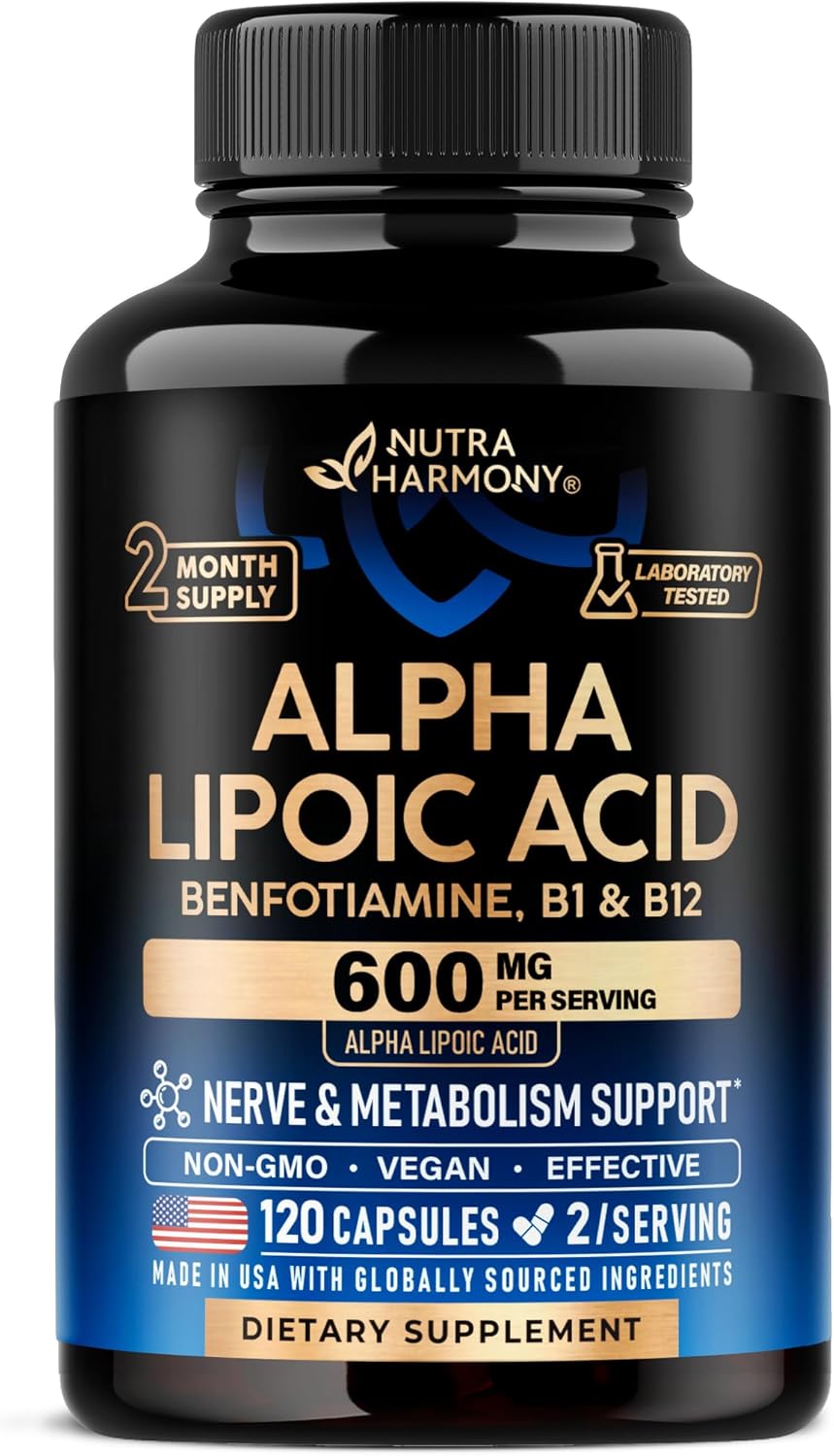
Alpha Lipoic Acid 600mg - Antioxidant for Nerve, Energy & Metabolism Support
Antioxidant for Nerve, Energy & Metabolism Support
Alpha Lipoic Acid 600mg - Antioxidant for Ner…
Check price on AmazonTaking Alpha Lipoic Acid and Vitamin D3 together offers a safe and logical pairing for daily health support, as they target distinct bodily functions without any known negative interactions. Alpha Lipoic Acid delivers potent antioxidant effects to combat cellular damage and aid energy production, while Vitamin D3 promotes bone strength and immune resilience. This non-competitive combo enhances overall wellness routines seamlessly, suggesting a rating of 3 out of 5.
The Combined Strategy
Pairing Alpha Lipoic Acid with Vitamin D3 builds a comprehensive wellness plan that addresses both cellular protection and systemic balance. Alpha Lipoic Acid steps in to neutralize harmful free radicals and support healthy blood sugar use, shielding your nerves and energy systems from daily wear. Vitamin D3 complements this by optimizing calcium handling for sturdy bones and fine-tuning immune responses against threats. Together, they form a dual-action shield, covering antioxidant defense alongside foundational nutrient support for sustained vitality.
Body Compatibility
The body navigates these supplements via separate routes, ensuring smooth handling without clashes. Alpha Lipoic Acid gets absorbed quickly through the gut lining into the bloodstream, then dives into cells for its antioxidant work, with excess excreted via urine. Vitamin D3 hitches a ride with dietary fats for intestinal uptake, traveling to the liver and kidneys for activation before influencing distant tissues. Their distinct absorption lanes and metabolic paths prevent competition, allowing full effectiveness for both without digestive slowdowns or overload.
How They Interact
Alpha Lipoic Acid operates as a versatile antioxidant, recycling other defenders like glutathione while boosting mitochondrial energy output in cells. Vitamin D3 functions more like a signaling molecule, binding to receptors to activate genes that manage calcium levels and dampen inflammation. These mechanisms stay in parallel tracks—ALA focuses on intracellular cleanup, D3 on hormonal regulation—so they neither block nor amplify each other directly. This independence lets them contribute to health without stepping on each other's toes.
Disclaimer: Some links on this site are affiliate links. As an Amazon Associate, qualifying purchases may earn us a commission. This content is for informational purposes only and is not medical advice.