
Combination guide
Can you take Alpha Lipoic Acid and S-Adenosyl Methionine together?
Clear guide to benefits, risks, and synergy when combining Alpha Lipoic Acid and S-Adenosyl Methionine.
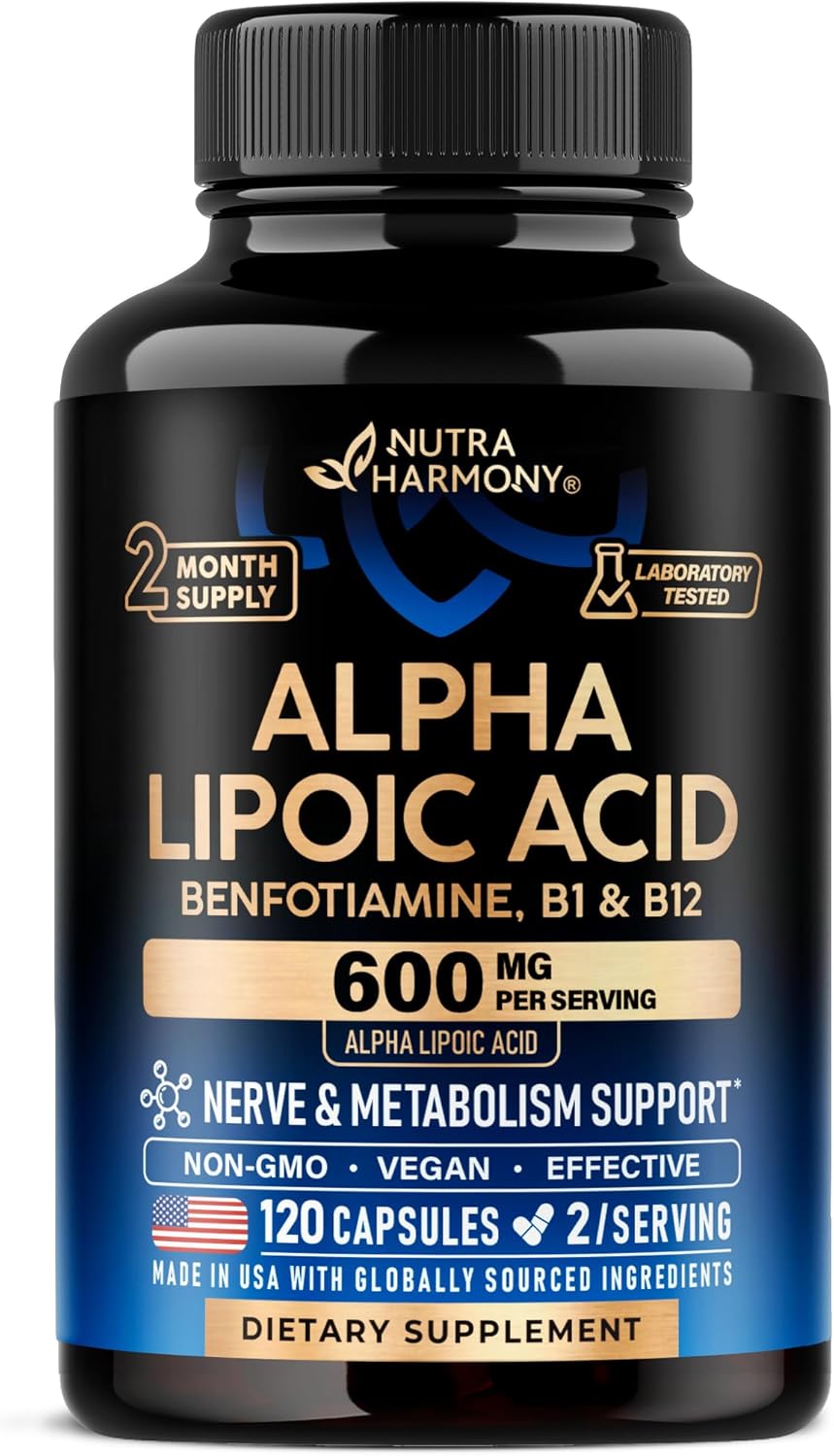
Alpha Lipoic Acid 600mg - Antioxidant for Nerve, Energy & Metabolism Support
Antioxidant for Nerve, Energy & Metabolism Support
Alpha Lipoic Acid 600mg - Antioxidant for Ner…
Check price on AmazonTaking Alpha Lipoic Acid and S-Adenosyl Methionine together provides complementary support for antioxidant defense and methylation processes, enhancing liver detoxification, mood regulation, and cellular energy without absorption conflicts or adverse interactions. ALA recycles key antioxidants like glutathione, while SAMe replenishes it through methyl donation, creating a high level of synergy for overall metabolic health, suggesting a rating of 4 out of 5.
The Combined Strategy
Pairing Alpha Lipoic Acid with S-Adenosyl Methionine creates a powerful dual-action approach to tackling oxidative stress and biochemical imbalances in daily life. Alpha Lipoic Acid excels at neutralizing free radicals and boosting mitochondrial energy, addressing immediate cellular wear from stress or poor diet. Meanwhile, S-Adenosyl Methionine fuels essential methylation for DNA repair, neurotransmitter production, and liver detox, covering long-term foundational health needs. Together, they form a balanced routine that supports brain function, joint comfort, and vitality without gaps.
Body Compatibility
Alpha Lipoic Acid is rapidly absorbed in the small intestine, entering the bloodstream and cells where it's converted to its active dihydrolipoic form primarily by the liver. S-Adenosyl Methionine follows a similar intestinal uptake but travels via portal vein to liver cells for methylation duties before systemic distribution. Their distinct processing—ALA through redox pathways and SAMe through adenosine metabolism—avoids competition for transporters or enzymes. This separation ensures efficient handling without metabolic overload or reduced efficacy.
How They Interact
Alpha Lipoic Acid functions as a redox agent, shuttling electrons to regenerate antioxidants like glutathione and vitamins C and E in mitochondria. S-Adenosyl Methionine operates as a methyl donor in the cytosol, converting homocysteine to methionine and supporting glutathione synthesis via transsulfuration. While they indirectly converge on glutathione recycling—ALA restores oxidized forms as SAMe builds precursors—their core mechanisms remain non-overlapping. This allows seamless coexistence, with potential mutual enhancement in oxidative stress reduction.
Disclaimer: Some links on this site are affiliate links. As an Amazon Associate, qualifying purchases may earn us a commission. This content is for informational purposes only and is not medical advice.