
Combination guide
Can you take Alpha Lipoic Acid and Celadrin together?
Clear guide to benefits, risks, and synergy when combining Alpha Lipoic Acid and Celadrin.
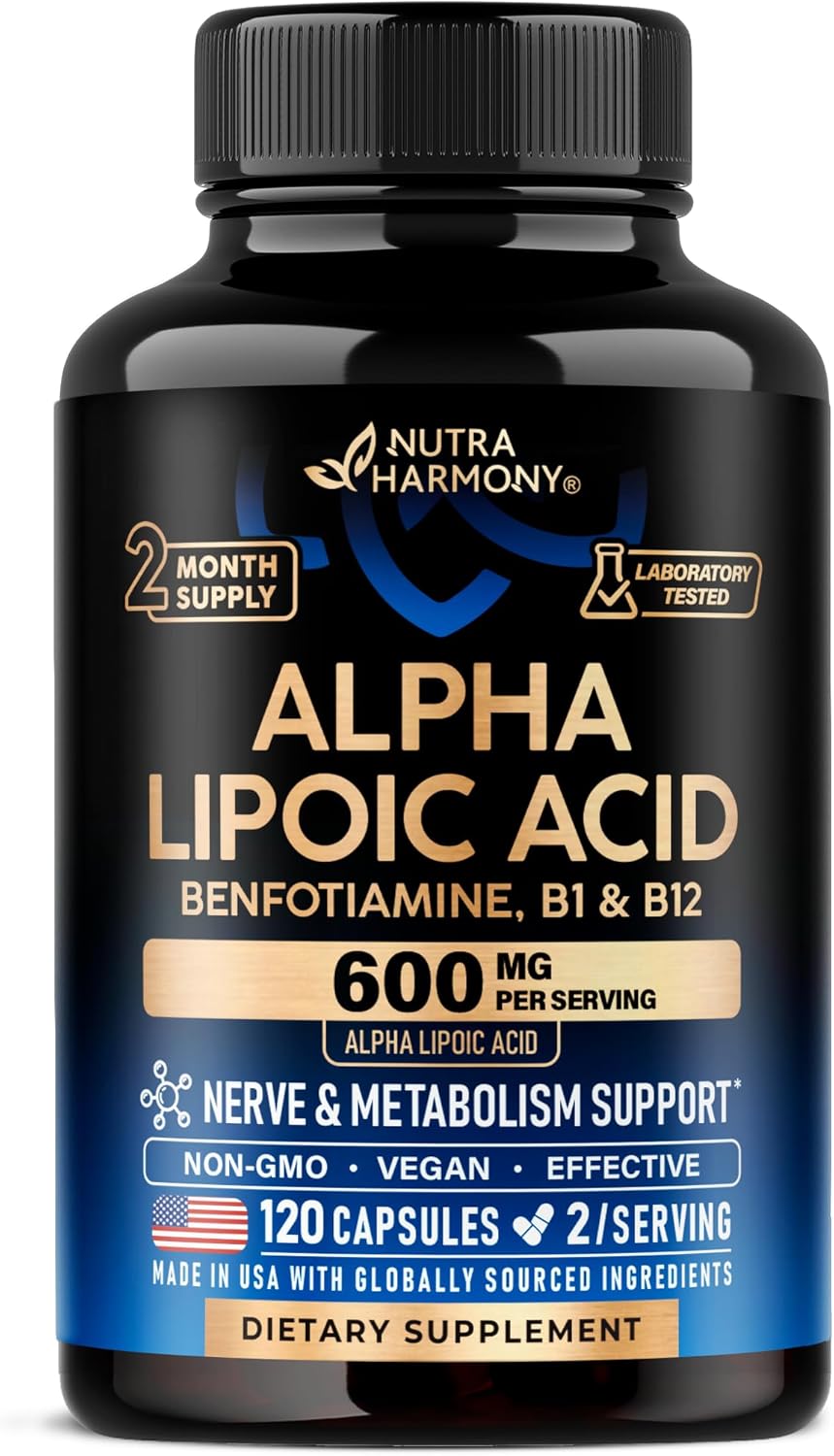
Alpha Lipoic Acid 600mg - Antioxidant for Nerve, Energy & Metabolism Support
Antioxidant for Nerve, Energy & Metabolism Support
Alpha Lipoic Acid 600mg - Antioxidant for Ner…
Check price on AmazonTaking Alpha Lipoic Acid and Celadrin together offers a safe, complementary pairing for supporting overall inflammation reduction and joint health without any known negative interactions. Alpha Lipoic Acid provides broad antioxidant protection, while Celadrin targets joint mobility, making them a logical duo in a wellness routine, suggesting a rating of 3 out of 5.
The Combined Strategy
Pairing Alpha Lipoic Acid with Celadrin creates a multi-layered approach to musculoskeletal wellness by addressing oxidative stress systemically and joint inflammation locally. Alpha Lipoic Acid neutralizes free radicals throughout the body to protect cells and nerves, while Celadrin enhances joint lubrication and flexibility for smoother daily movement. This combination covers immediate comfort needs alongside long-term cellular resilience, ideal for active lifestyles or age-related wear.
Body Compatibility
The body processes Alpha Lipoic Acid quickly through the small intestine into the bloodstream, where it distributes widely due to its dual solubility in water and fats. Celadrin, composed of esterified fatty acids, absorbs via the lymphatic system alongside dietary fats, targeting joint tissues efficiently. These distinct absorption pathways prevent competition for uptake or metabolism, allowing both to reach their destinations without digestive overload or delays.
How They Interact
Alpha Lipoic Acid functions primarily as an antioxidant, recycling other antioxidants and supporting mitochondrial energy production to combat oxidative damage. Celadrin works by stabilizing cell membranes in joints, inhibiting pro-inflammatory prostaglandins without affecting systemic redox balance. Their non-overlapping mechanisms—one focused on cellular defense, the other on membrane fluidity—enable simultaneous action without interference or amplification conflicts.
Disclaimer: Some links on this site are affiliate links. As an Amazon Associate, qualifying purchases may earn us a commission. This content is for informational purposes only and is not medical advice.