
Combination guide
Can you take Alpha Lipoic Acid and Beta-Hydroxy Beta-Methylbutyrate (HMB) together?
Clear guide to benefits, risks, and synergy when combining Alpha Lipoic Acid and Beta-Hydroxy Beta-Methylbutyrate (HMB).
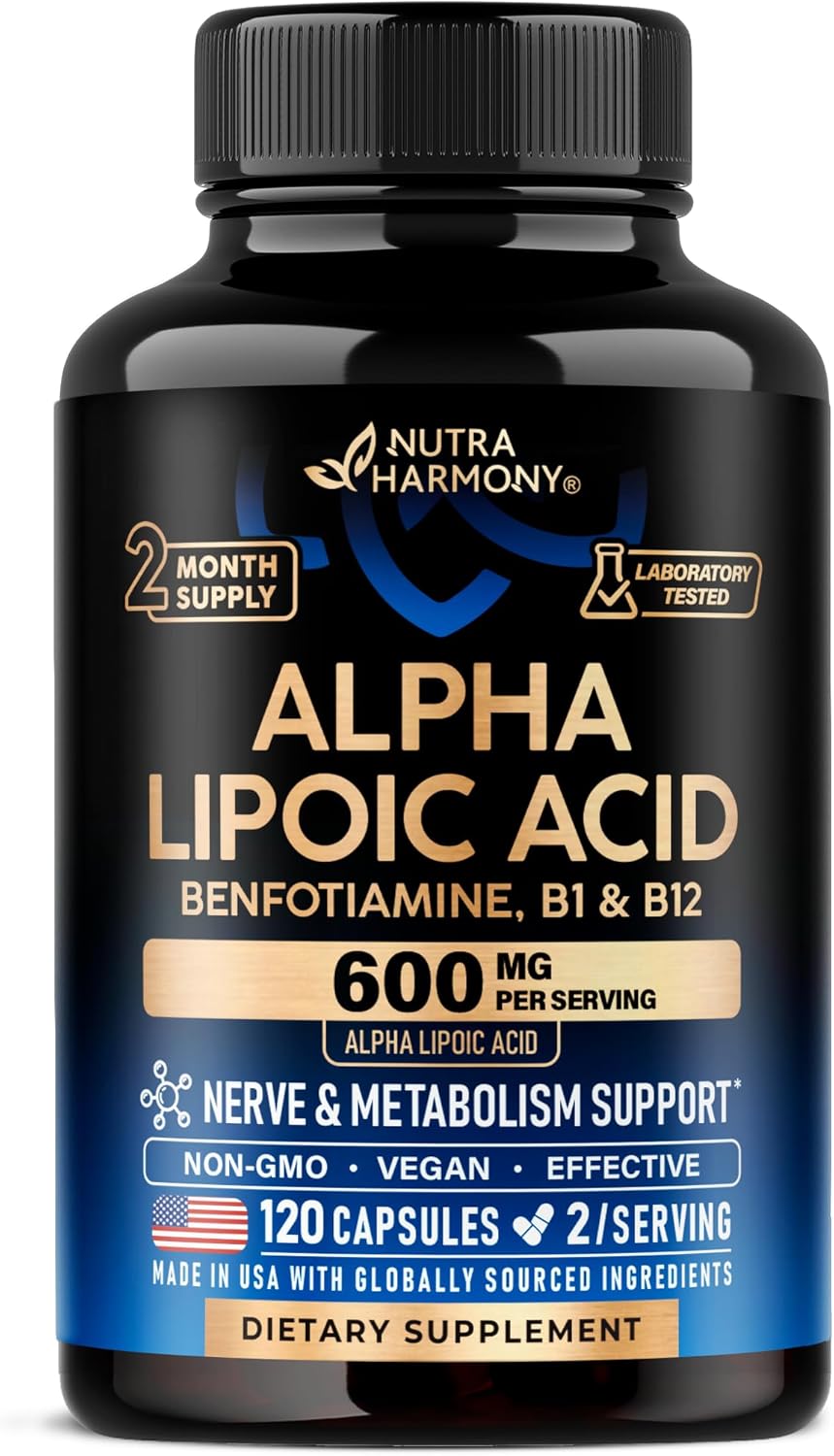
Alpha Lipoic Acid 600mg - Antioxidant for Nerve, Energy & Metabolism Support
Antioxidant for Nerve, Energy & Metabolism Support
Alpha Lipoic Acid 600mg - Antioxidant for Ner…
Check price on AmazonTaking Alpha Lipoic Acid and Beta-Hydroxy Beta-Methylbutyrate (HMB) together offers a safe and logical pairing for health routines focused on recovery and maintenance. Alpha Lipoic Acid delivers broad antioxidant protection to combat cellular damage from daily stress or exercise, while HMB specifically shields muscles from breakdown during workouts or aging. With no known negative interactions and complementary roles in energy and muscle support, they fit seamlessly without interference, suggesting a rating of 3 out of 5.
The Combined Strategy
Pairing Alpha Lipoic Acid with HMB creates a smart, multi-angle strategy for anyone chasing better fitness or long-term vitality. Alpha Lipoic Acid tackles hidden cellular wear from oxidative stress, keeping your energy systems running smooth even under strain. Meanwhile, HMB steps in to safeguard your hard-earned muscle by curbing breakdown, so you maintain strength and recover faster. Together, they cover protection from the inside out, making your routine more complete without overlap.
Body Compatibility
Your body processes these supplements through distinct paths that avoid any clashes. Alpha Lipoic Acid gets absorbed quickly in the intestines, zips into the bloodstream, and heads straight to cells for its antioxidant work. HMB follows a similar uptake but zeroes in on muscle tissues for protein support, using separate transport and enzyme systems. This separation means no competition for absorption slots or metabolic resources, so digestion stays smooth and efficient.
How They Interact
Alpha Lipoic Acid shines by recycling other antioxidants and fueling mitochondrial energy production to fight free radicals. HMB, on the other hand, works at the muscle level by blocking breakdown enzymes and nudging protein building pathways. Their mechanisms stay in different lanes—one bolsters overall cell defense, the other fortifies muscle structure—with no shared targets to cause friction. This independence lets them team up effectively for enhanced resilience.
Disclaimer: Some links on this site are affiliate links. As an Amazon Associate, qualifying purchases may earn us a commission. This content is for informational purposes only and is not medical advice.