
Combination guide
Can you take Alpha Linolenic Acid and Chicory Inulin together?
Clear guide to benefits, risks, and synergy when combining Alpha Linolenic Acid and Chicory Inulin.
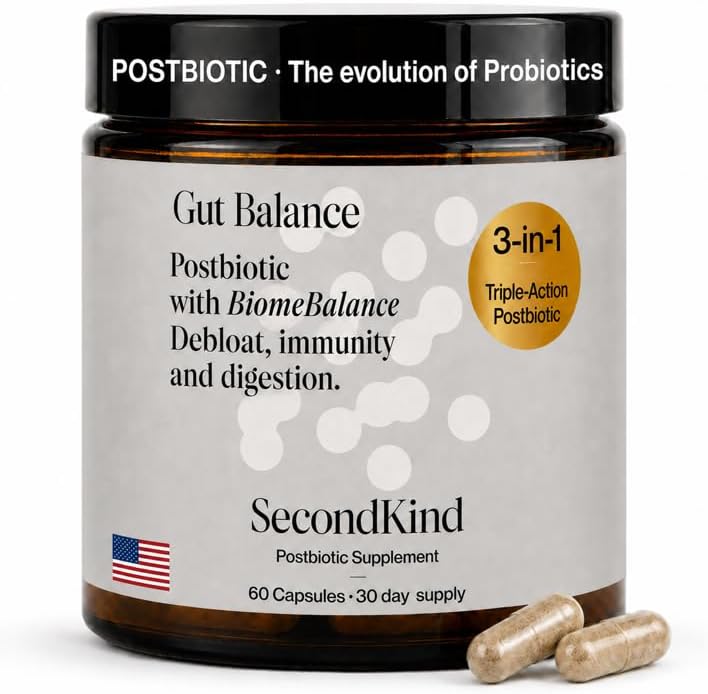
SecondKind Postbiotics Gut Balance 60ct
Postbiotics for gut balance — check price on Amazon.
SecondKind Postbiotics Gut Balance 60ct
Check price on AmazonTaking Alpha Linolenic Acid and Chicory Inulin together offers a safe and logical pairing for overall health support. Alpha Linolenic Acid supplies plant-based omega-3s that combat inflammation and support heart function, while Chicory Inulin fosters a thriving gut microbiome for better digestion and immunity. They travel distinct paths in the body with no known conflicts, and inulin's gut benefits may indirectly enhance omega-3 utilization, suggesting a rating of 3 out of 5.
The Combined Strategy
By combining Alpha Linolenic Acid and Chicory Inulin, you create a multi-layered approach to wellness that targets both inflammation and digestive health. Alpha Linolenic Acid provides essential fatty acids your body converts into anti-inflammatory agents, helping with heart and brain function over time. Chicory Inulin, as a prebiotic fiber, nourishes beneficial gut bacteria to improve regularity and nutrient uptake. Together, they form a comprehensive routine covering systemic and gut-level needs for sustained vitality.
Body Compatibility
Alpha Linolenic Acid enters your system as a fat absorbed primarily in the small intestine through bile emulsification and transport into the bloodstream. Chicory Inulin remains undigested until it reaches the colon, where bacteria break it down into short-chain fatty acids for local energy. These distinct routes—upper gut lipid processing versus lower gut fermentation—prevent any absorption bottlenecks or metabolic clashes. Your body handles them smoothly in parallel, maximizing each one's effectiveness.
How They Interact
Alpha Linolenic Acid functions by integrating into cell membranes and converting to EPA and DHA for anti-inflammatory signaling. Chicory Inulin works locally in the gut by fueling bifidobacteria growth and producing SCFAs that regulate metabolism and immunity. Their mechanisms stay in separate domains with no direct overlap or competition. A healthier microbiome from inulin could even support better ALA conversion rates indirectly, allowing seamless coexistence.
Disclaimer: Some links on this site are affiliate links. As an Amazon Associate, qualifying purchases may earn us a commission. This content is for informational purposes only and is not medical advice.