
Combination guide
Can you take Alpha Linolenic Acid and apigenin together?
Clear guide to benefits, risks, and synergy when combining Alpha Linolenic Acid and apigenin.
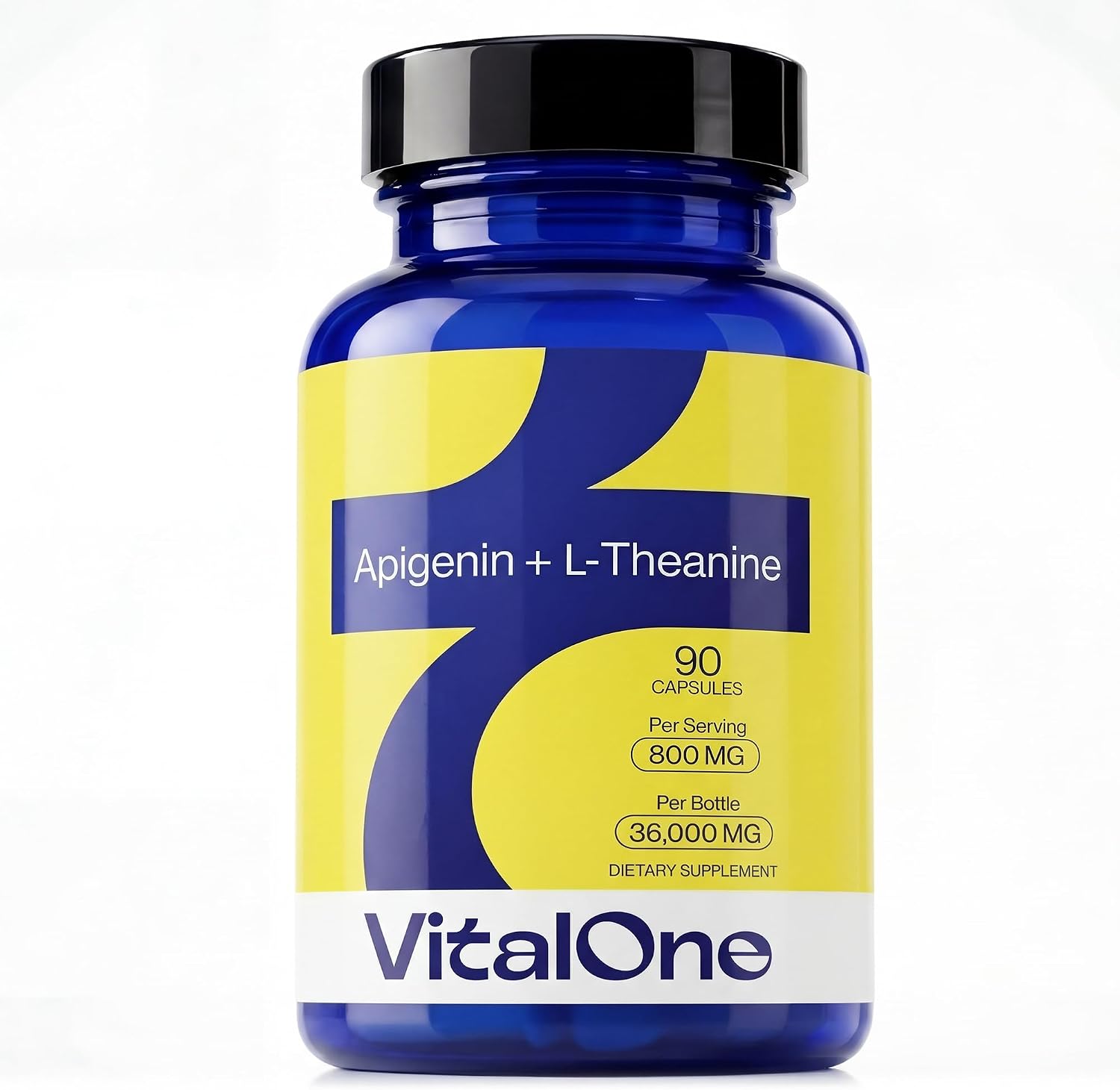
VitalOne Apigenin 200mg + L-Theanine 600mg 90ct
Apigenin sleep support — check price on Amazon.
VitalOne Apigenin 200mg + L-Theanine 600mg 90ct
Check price on AmazonTaking Alpha Linolenic Acid and apigenin together offers a safe and logical combination for supporting heart health, reducing inflammation, and promoting relaxation without any known negative interactions. Alpha Linolenic Acid delivers essential omega-3 support for cardiovascular and anti-inflammatory benefits, while apigenin provides calming effects on the brain to aid sleep and stress relief. Their distinct pathways ensure compatibility in a daily routine, suggesting a rating of 3 out of 5.
The Combined Strategy
Pairing Alpha Linolenic Acid with apigenin creates a well-rounded wellness strategy that addresses both physical and mental health needs. Alpha Linolenic Acid strengthens heart function and fights chronic inflammation by nourishing cell membranes with omega-3s, forming a foundation for long-term vitality. Meanwhile, apigenin steps in to calm the nervous system, easing anxiety and improving sleep quality for better daily recovery. Together, they cover inflammatory and stress-related bases, making your routine more comprehensive and balanced.
Body Compatibility
Alpha Linolenic Acid enters the body through the digestive tract, where it's emulsified by bile and absorbed into the lymphatic system as a lipid, then circulated for use in tissues. Apigenin, as a flavonoid, gets absorbed mainly in the small intestine and quickly metabolized in the liver through conjugation processes like glucuronidation. These separate routes mean they avoid competing for absorption sites or enzymes, allowing your body to handle both smoothly without digestive overload or metabolic delays.
How They Interact
Alpha Linolenic Acid primarily works by converting into longer-chain omega-3s that modulate inflammation via eicosanoid pathways and maintain flexible cell membranes. Apigenin operates in the brain by binding to GABA receptors for relaxation and inhibiting enzymes like PDE to reduce oxidative stress. Since their mechanisms target different systems—inflammation at the cellular level versus neurological calming—they complement each other without overlap or conflict, enabling simultaneous benefits.
Disclaimer: Some links on this site are affiliate links. As an Amazon Associate, qualifying purchases may earn us a commission. This content is for informational purposes only and is not medical advice.