Combination guide
Can you take Alpha-Glycosyl Isoquercitrin and Curcumin together?
Clear guide to benefits, risks, and synergy when combining Alpha-Glycosyl Isoquercitrin and Curcumin.
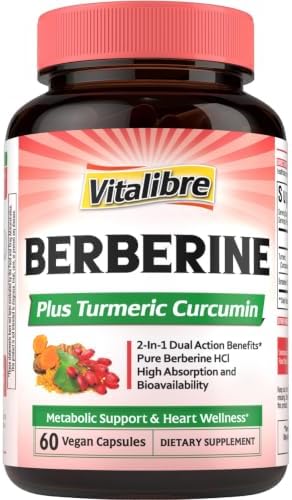
Turmeric Curcumin 95% with BioPerine — Joint Comfort
Bioperine — check price on Amazon.
Turmeric Curcumin 95% with BioPerine — Joint…
Check price on AmazonTaking Alpha-Glycosyl Isoquercitrin and Curcumin together delivers complementary antioxidant and anti-inflammatory power, where the highly bioavailable quercetin derivative enhances vascular protection and allergy support, while Curcumin tackles deeper joint and brain inflammation. They align on fighting oxidative stress through different pathways, potentially amplifying each other's effects without absorption conflicts or side effect overlaps, suggesting a rating of 4 out of 5.
The Combined Strategy
Pairing Alpha-Glycosyl Isoquercitrin with Curcumin builds a comprehensive shield against everyday inflammation and oxidative wear. Alpha-Glycosyl Isoquercitrin focuses on quick absorption to support blood vessel health and ease seasonal allergies, covering immediate environmental threats. Meanwhile, Curcumin dives deeper into chronic issues like joint discomfort and cognitive fog. This dual-action approach fills wellness gaps, making your routine more effective for sustained vitality.
Body Compatibility
Your digestive system handles these supplements in parallel lanes without clogs. Alpha-Glycosyl Isoquercitrin, water-soluble and gut-friendly, absorbs rapidly through the small intestine into the bloodstream for widespread cell protection. Curcumin relies on dietary fats for slower uptake but travels efficiently to tissues like joints and the brain. Their distinct metabolism paths—quercetin via phase II enzymes and Curcumin through glucuronidation—prevent competition, ensuring smooth processing even when taken together.
How They Interact
These compounds shine by complementing rather than clashing in the body. Alpha-Glycosyl Isoquercitrin donates electrons to neutralize free radicals and stabilizes mast cells to curb histamine-driven inflammation. Curcumin, on the other hand, blocks enzymes like COX-2 and NF-kB to dampen broader cytokine storms. With minimal pathway overlap, they enhance mutual anti-inflammatory reach, allowing simultaneous action for greater oxidative defense.
Disclaimer: Some links on this site are affiliate links. As an Amazon Associate, qualifying purchases may earn us a commission. This content is for informational purposes only and is not medical advice.