Combination guide
Can you take Alpha-Galactosidase and Beta-Carotene together?
Clear guide to benefits, risks, and synergy when combining Alpha-Galactosidase and Beta-Carotene.
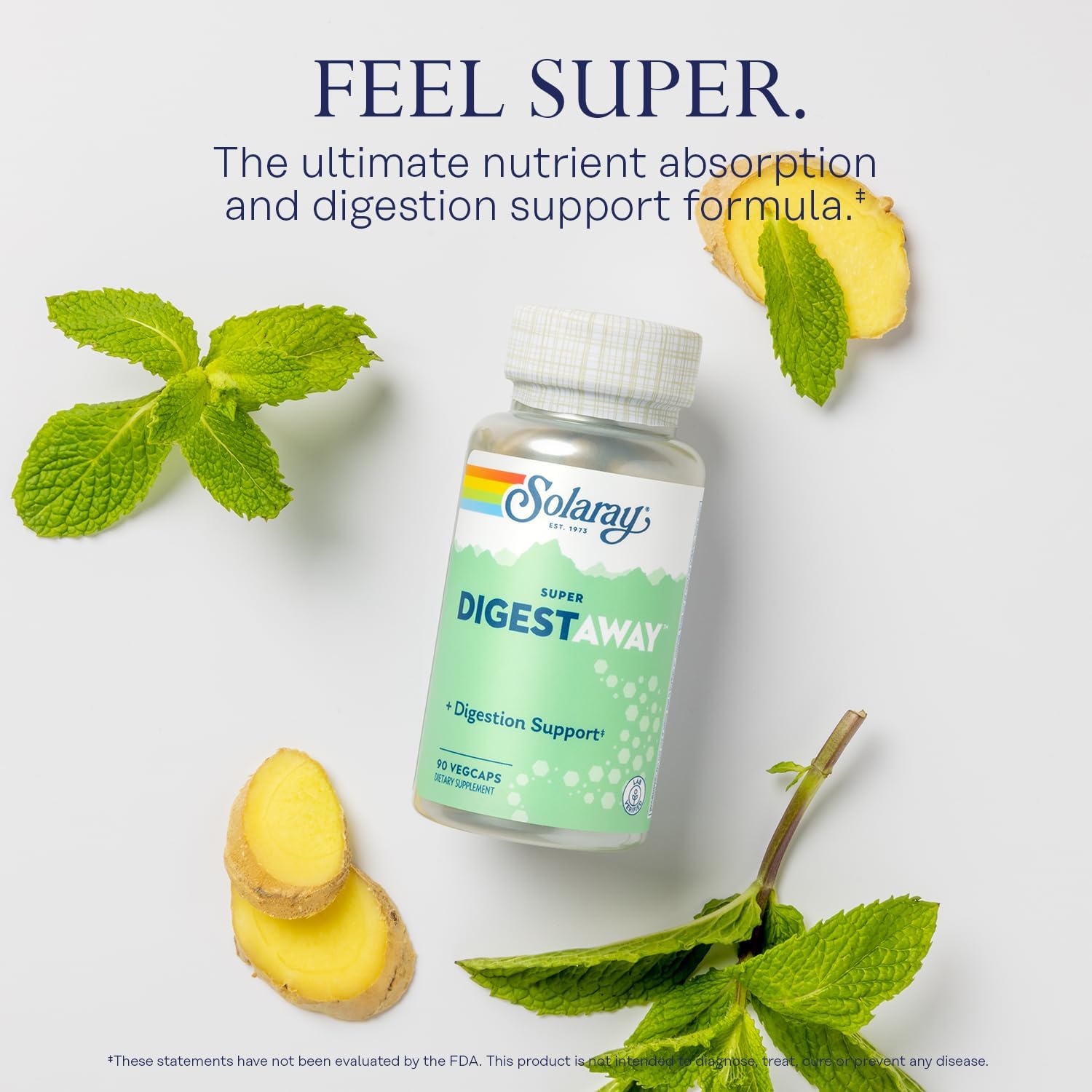
SOLARAY Bean Enzyme and Super Digestaway Digestive Enzyme Bundle with Alpha Galactosidase, Papain, Ginger, Pepsin, Betaine HCl and Aloe Vera, 60 Count and 90 Count
Alpha galactosidase — check price on Amazon.
SOLARAY Bean Enzyme and Super Digestaway Dige…
Check price on AmazonTaking Alpha-Galactosidase and Beta-Carotene together offers a safe and practical pairing for digestive comfort and antioxidant support without any known conflicts. Alpha-Galactosidase eases bloating from gas-producing foods, allowing better enjoyment of vegetables that naturally contain Beta-Carotene, which nourishes eyes and skin. Their separate roles complement a veggie-rich diet seamlessly, suggesting a rating of 3 out of 5.
The Combined Strategy
Pairing Alpha-Galactosidase with Beta-Carotene creates a smart dual-action plan for daily wellness. Alpha-Galactosidase tackles immediate digestive hurdles like gas from beans and broccoli, making it easier to eat more plant foods. Meanwhile, Beta-Carotene builds long-term protection for your vision and immune system by acting as an antioxidant. Together, they encourage a broader intake of colorful veggies without discomfort, supporting sustained healthy eating habits.
Body Compatibility
Your body processes these supplements along distinct paths, ensuring smooth handling. Alpha-Galactosidase deploys in the upper gut to chop up complex sugars before they reach bacteria. Beta-Carotene travels further into the small intestine, where fats help shuttle it into your bloodstream for liver storage and conversion. These non-overlapping routes mean no competition for absorption, keeping everything efficient and interference-free.
How They Interact
Alpha-Galactosidase functions as a digestive enzyme, snipping specific carbohydrate chains to prevent fermentation. Beta-Carotene, a fat-soluble pigment, gets taken up by intestinal cells and transformed into vitamin A as needed. Their mechanisms stay in separate lanes—one aids breakdown in the gut lumen, the other supports cellular protection downstream. This lack of overlap allows both to work fully without clashing or diminishing each other.
Disclaimer: Some links on this site are affiliate links. As an Amazon Associate, qualifying purchases may earn us a commission. This content is for informational purposes only and is not medical advice.