Combination guide
Can you take Agaricus Blazei and Astragalus together?
Clear guide to benefits, risks, and synergy when combining Agaricus Blazei and Astragalus.
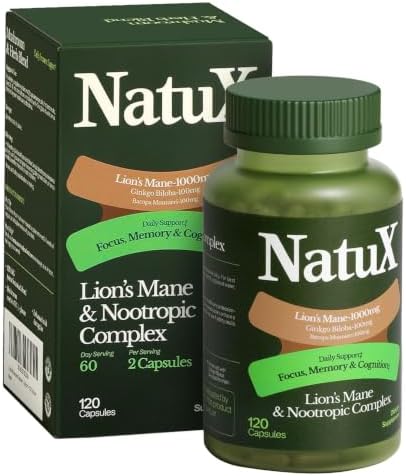
Lion’s Mane Mushroom — Memory, Focus & Clarity
Functional mushroom capsules to support nerve growth factor pathways and sharp focus.
Lion’s Mane Mushroom — Memory, Focus & Clarity
Check price on AmazonTaking Agaricus Blazei and Astragalus together creates a potent immune-supporting duo, as both deliver polysaccharides that enhance different facets of immunity without interference. Agaricus Blazei drives innate defenses like macrophage activation and anti-tumor activity, while Astragalus bolsters adaptive responses, energy, and organ protection. Their complementary actions on the same goal of immune resilience make them highly compatible, suggesting a rating of 4 out of 5.
The Combined Strategy
Pairing Agaricus Blazei with Astragalus forms a well-rounded wellness approach targeting immunity from multiple angles. Agaricus Blazei focuses on immediate threat neutralization through its potent beta-glucans that rally frontline immune cells against infections and abnormal growths. Meanwhile, Astragalus provides sustained support by improving cellular energy and resilience, preventing fatigue during immune challenges. This combination addresses both short-term defense and long-term vitality, fitting seamlessly into routines for overall health maintenance.
Body Compatibility
Your digestive system handles Agaricus Blazei and Astragalus via separate processing routes, minimizing any clashes. Agaricus Blazei mushrooms break down in the gut where beta-glucans interact with intestinal immune cells and partially ferment for systemic uptake. Astragalus roots release flavonoids and saponins that absorb directly into the bloodstream for circulation to organs like the lungs and heart. These distinct absorption lanes prevent competition for digestive enzymes or transporters, allowing full bioavailability without metabolic bottlenecks.
How They Interact
Agaricus Blazei engages innate immunity by binding beta-glucans to receptors on macrophages and dendritic cells, triggering cytokine release for rapid response. Astragalus operates on adaptive immunity, promoting T-cell proliferation and telomere protection to build long-term defenses. With no shared molecular pathways or receptor competition, they enhance each other indirectly by covering complementary immune layers. This parallel operation ensures additive benefits rather than conflict.
Disclaimer: Some links on this site are affiliate links. As an Amazon Associate, qualifying purchases may earn us a commission. This content is for informational purposes only and is not medical advice.