
Vitamin K2, also known as menaquinone, is a fat-soluble nutrient essential for several critical bodily functions. It belongs to the vitamin K family, which includes K1 and K2, each with distinct roles. Vitamin K2 is particularly recognized for its role in regulating calcium metabolism and supporting overall health.
Unlike vitamin K1, which is primarily obtained from leafy greens and focuses on blood clotting, Vitamin K2 is found in fermented foods like natto, cheese, and egg yolks. It also occurs naturally in the gut through bacterial synthesis. This form is crucial for activating proteins that direct calcium to where it's needed most in the body.
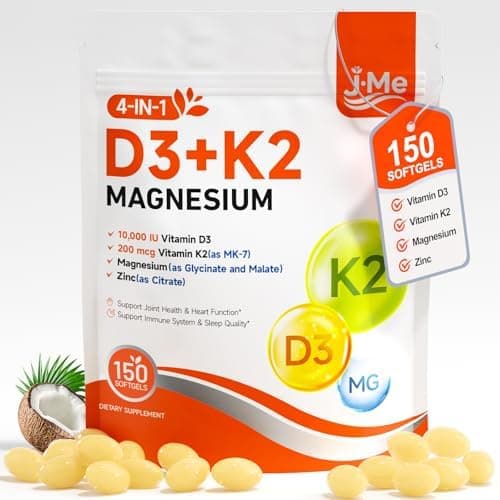
Vitamin D3 + K2 MK-7 with Magnesium — Bone & Immunity
High-potency D3 paired with K2 and magnesium for absorption you can feel.
Vitamin D3 + K2 MK-7 with Magnesium — Bone &…
Check price on AmazonVitamin K2's most significant benefits relate to bone health. It activates osteocalcin, a protein that binds calcium to the bone matrix, thereby strengthening bones and reducing the risk of osteoporosis. Adequate intake may support bone density maintenance, especially in aging populations.
Additionally, Vitamin K2 plays a vital role in cardiovascular health by helping prevent calcium buildup in arteries. By activating matrix Gla-protein, it inhibits arterial calcification, potentially lowering the risk of atherosclerosis and related heart issues. This function highlights its importance beyond bone health.
Emerging research suggests Vitamin K2 may contribute to dental health by promoting proper mineralization of tooth enamel and supporting gum health. Some studies also indicate potential benefits for skin health, including reducing age-related wrinkles, though more evidence is needed.
While generally safe, individuals on blood-thinning medications like warfarin should exercise caution, as Vitamin K2 can interact with these drugs. It's important to maintain consistent dietary intake rather than relying solely on supplements unless advised by a healthcare provider.
Effectiveness and Risk Overview
Condition | Effectiveness | Details |
|---|---|---|
| Osteoporosis | Vitamin K2 supplementation has been associated with improved bone mineral density and reduced risk of fractures in individuals with osteoporosis, supporting its role in maintaining bone health. | |
| Cardiovascular Health | By reducing arterial calcification and improving vascular health, Vitamin K2 contributes to overall cardiovascular health. Observational studies and some clinical trials suggest a protective effect against cardiovascular disease. | |
| Bone Health | Vitamin K2 is essential for the carboxylation of osteocalcin, a protein necessary for bone mineralization. Studies have demonstrated that Vitamin K2 supplementation can improve bone density and reduce the risk of fractures, particularly in osteoporotic patients. | |
| Vascular Calcification | Vitamin K2 has been shown to reduce vascular calcification by promoting the activation of MGP. This effect is crucial for maintaining vascular health and reducing the risk of cardiovascular events. | |
| Arterial Calcification/Atherosclerosis | Vitamin K2 has been shown to inhibit arterial calcification by activating matrix Gla protein (MGP), a potent inhibitor of vascular calcification. Clinical studies and meta-analyses support its role in reducing cardiovascular risk by preventing the progression of arterial calcification. | |
| Bone Density Loss | Vitamin K2 is involved in the regulation of bone metabolism. While evidence is strong for its role in bone health, the effect on bone density loss is significant but may vary depending on the population and presence of other nutrients. |
See product on Amazon →#Sponsored