
Valerian is a plant that has been used for centuries, primarily for its root, which is dried and processed into various forms. It is commonly known as valerian root and is one of the most popular herbal supplements worldwide.
Valerian is typically taken as a dietary supplement in the form of capsules, tablets, or liquid extracts. It can also be found in teas and sometimes in combination with other herbs. The root is the part most commonly used for its potential health benefits.
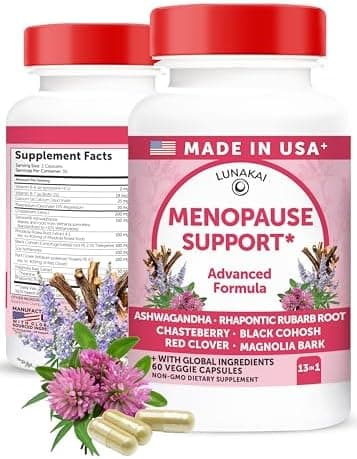
Lunakai Menopause Support Capsules — Hot Flashes, Sleep & Mood
Menopause support for hot flashes, sleep and mood — check price on Amazon.
Lunakai Menopause Support Capsules — Hot Flas…
Check price on AmazonValerian is most beneficial for promoting relaxation and improving sleep quality. Many people use it to help with falling asleep and staying asleep. It is also commonly used to reduce feelings of anxiety and stress. While the exact way it works is not fully understood, it is believed that valerian may influence certain brain chemicals, such as GABA, which play a role in calming the nervous system.
Important considerations include that valerian may cause drowsiness, so it should be taken before bedtime. It is generally considered safe for short-term use, but long-term effects are less studied. Some individuals may experience side effects like dizziness or upset stomach. Valerian may interact with certain medications, including sedatives and some antidepressants, so it is crucial to be aware of potential interactions with other substances.
Effectiveness and Risk Overview
Condition | Effectiveness | Details |
|---|---|---|
| Insomnia | Valerian root has been shown in multiple clinical trials to improve sleep quality and duration in individuals with insomnia. | |
| Sleep Disorders | Valerian is traditionally used to improve sleep quality and has been supported by various studies showing its effectiveness in addressing sleep disorders. | |
| Restless Legs Syndrome | Some studies indicate that valerian can help alleviate symptoms of restless legs syndrome, improving sleep quality. | |
| Stress | Valerian is believed to have a calming effect, potentially reducing stress, though the evidence is more anecdotal than clinical trial-based. | |
| Anxiety Disorders | Studies suggest that valerian may have anxiolytic effects, though the evidence is not as strong as for its effects on sleep. | |
| Fatigue | By improving sleep quality, valerian may indirectly help reduce fatigue, though direct evidence is limited. |
Check price on Amazon →#Sponsored