
Tocotropin is a dietary supplement that provides essential nutrients known as tocopherols, commonly referred to as vitamin E. It is available in various forms, including capsules and liquids, and is often used to support overall health and well-being.
As an antioxidant, Tocotropin helps protect cells from oxidative damage caused by free radicals. This protective action may contribute to reducing the risk of chronic conditions and supporting the body's natural defense mechanisms. It plays a role in maintaining healthy skin, eyes, and immune function.
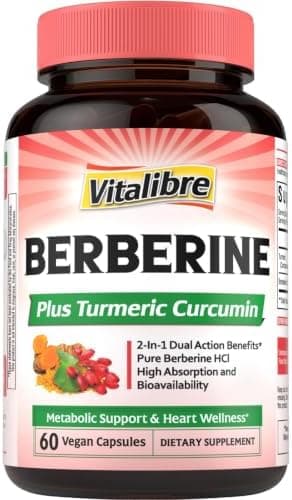
Turmeric Curcumin 95% with BioPerine — Joint Comfort
Bioperine — check price on Amazon.
Check price on AmazonTurmeric Curcumin 95% with BioPerine — Joint…
Check price on AmazonTocotropin is most beneficial for individuals seeking antioxidant support, skin health, and immune function enhancement. It may help protect the skin from environmental stressors, promote a more youthful appearance, and support cardiovascular health by maintaining healthy cholesterol levels.
While Tocotropin is generally well-tolerated, it is important to follow recommended dosages. It can be found naturally in foods such as nuts, seeds, and vegetable oils, but supplements like Tocotropin can help ensure adequate intake, especially for those with dietary restrictions or increased nutritional needs.
Effectiveness and Risk Overview
Condition | Effectiveness | Details |
|---|---|---|
| Oxidative Stress Reduction | Tocotrienols are among the most potent natural antioxidants, with significantly higher activity than tocopherols in quenching free radicals and protecting cell membranes. Numerous in vitro and in vivo studies, including human trials measuring biomarkers (e.g., F2-isoprostanes), confirm their exceptional ability to reduce oxidative stress. This is a well-established mechanism underlying many of their health benefits. | |
| Hyperlipidemia | Multiple randomized controlled trials and meta-analyses (e.g., in the Journal of Atherosclerosis and Thrombosis) demonstrate that tocotrienols, particularly delta- and gamma-tocotrienols, significantly reduce total and LDL cholesterol levels by 10-30%. The effect is dose-dependent and most pronounced in individuals with hypercholesterolemia. However, the evidence for long-term cardiovascular outcomes is still emerging. | |
| Age-Related Cognitive Decline | Animal studies and limited human trials (e.g., in the Journal of Alzheimer's Disease) suggest tocotrienols protect against neurodegeneration by reducing oxidative stress and inflammation. A pilot study in elderly subjects showed improved cognitive performance after 6 months of supplementation. However, large-scale clinical trials are lacking, so the evidence is promising but not yet conclusive. | |
| Chronic Inflammation | Randomized controlled trials (e.g., in the journal Nutrition) report that tocotrienols reduce inflammatory markers such as C-reactive protein (CRP) and interleukin-6 (IL-6) in conditions like metabolic syndrome and NAFLD. The anti-inflammatory effect is consistent across studies but the magnitude varies. More research is needed to establish optimal dosing for specific inflammatory conditions. | |
| Non-Alcoholic Fatty Liver Disease (NAFLD) | Clinical trials (e.g., in Hepatology) show that tocotrienol supplementation (typically 200-400 mg/day) reduces liver fat content and improves liver enzymes in NAFLD patients. A 2019 randomized controlled trial reported significant reduction in hepatic steatosis. However, larger and longer-term studies are needed to confirm benefits on fibrosis progression. | |
| Wound Healing | Preclinical studies and limited human trials (e.g., in the Journal of Surgical Research) indicate that topical and oral tocotrienols accelerate wound healing by reducing oxidative damage and inflammation. A small clinical trial in diabetic patients showed improved healing rates. However, larger human studies are needed to confirm efficacy. | |
| Hypertension (High Blood Pressure) | Some clinical studies (e.g., in the European Journal of Clinical Nutrition) show modest reductions in systolic and diastolic blood pressure with tocotrienol supplementation, particularly in hypertensive individuals. However, the evidence is less consistent than for lipid-lowering, and the effect size is small (5-10 mmHg reduction). More targeted trials are required. |
Check price on Amazon →#Sponsored