
St. John's Wort is a plant with yellow flowers that has been used for centuries in traditional medicine. It is native to Europe and Asia but now grows in many parts of the world, including North America. The plant's flowers and leaves are commonly used to make various supplements.
The active components in St. John's Wort include hypericin and hyperforin, which are thought to influence brain chemistry. These compounds may help regulate mood by affecting neurotransmitters like serotonin, dopamine, and norepinephrine.
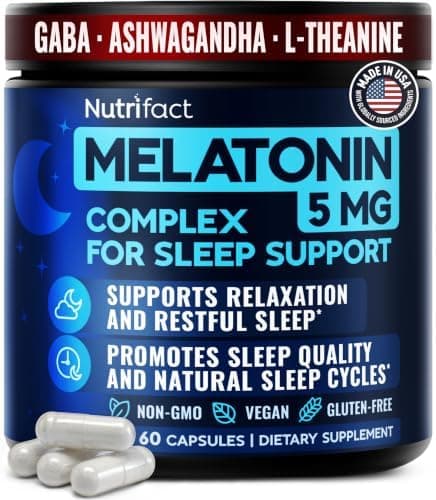
Melatonin 30mg for Deep, Restful Sleep
Fall asleep faster and wake clearer with a high-potency nighttime formula.
Melatonin 30mg for Deep, Restful Sleep
Check price on AmazonSt. John's Wort is most beneficial for supporting mental well-being, particularly for symptoms of mild to moderate depression, anxiety, and stress. It is often used to improve mood, promote relaxation, and enhance overall emotional balance. Some individuals also report benefits for sleep disturbances and nerve-related discomfort.
It is available in forms such as capsules, tablets, liquid extracts, and dried herb for tea. The typical dosage varies depending on the product and individual needs, but consistency in use is important for potential effects. St. John's Wort may take several weeks to show noticeable benefits.
Important considerations include potential interactions with other medications. St. John's Wort can affect the metabolism of certain drugs, including birth control pills, antidepressants, blood thinners, and others, potentially altering their effectiveness. It may also cause side effects like dizziness, dry mouth, and increased sensitivity to sunlight.
Effectiveness and Risk Overview
Condition | Effectiveness | Details |
|---|---|---|
| Depression | St. John's Wort has been shown in multiple clinical trials and meta-analyses to have a significant antidepressant effect, comparable to standard antidepressants for mild to moderate depression. | |
| Anxiety Disorders | St. John's Wort may have anxiolytic effects, but the evidence is mixed and not as strong as for depression. Some studies show benefit, while others do not. | |
| Mild Cognitive Impairment | Some studies suggest potential cognitive benefits, but evidence is not conclusive and more research is needed to confirm its effectiveness for cognitive enhancement. | |
| Sleep Disorders | There is some evidence suggesting St. John's Wort may help with sleep quality, possibly due to its effects on mood and anxiety, but the evidence is not robust. | |
| Menopause Symptoms | Some studies indicate St. John's Wort may help alleviate menopausal symptoms, particularly mood-related symptoms, but more research is needed for conclusive evidence. |
Check price on Amazon →#Sponsored