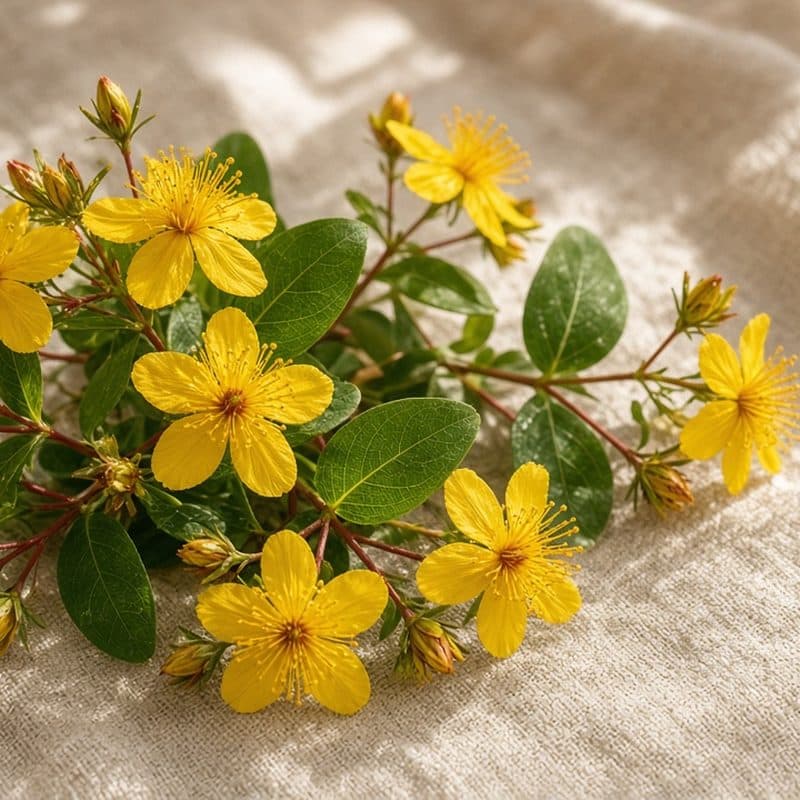
Saffron is a spice derived from the Crocus sativus plant, specifically the stigmas of its flowers. It is one of the world's most expensive spices, known for its vibrant red color, distinct aroma, and bitter taste. Historically, it has been used in various cuisines and traditional medicine systems across cultures for centuries.
The active components in saffron include compounds such as crocins, crocetin, and safranal, which contribute to its color, taste, and potential health effects. Saffron is commonly consumed as a spice in cooking, but it is also available as a dietary supplement in forms like capsules, extracts, or teas. These supplements concentrate the active compounds for potential therapeutic benefits.
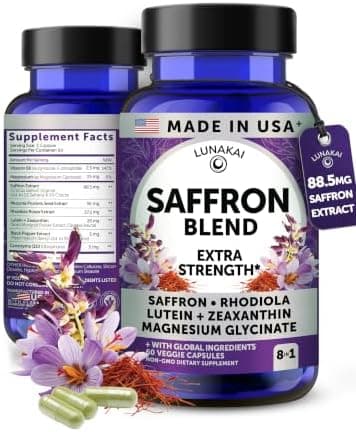
Saffron Extract — Mood Brightness & Appetite Balance
Premium saffron stigmas traditionally used for mood, satiety, and daily calm focus.
Saffron Extract — Mood Brightness & Appetite…
Check price on AmazonResearch suggests saffron may offer several health benefits. It is recognized for its potent antioxidant properties, which help combat oxidative stress in the body. Some studies indicate that saffron might support mood regulation and could be beneficial for individuals experiencing mild to moderate symptoms of low mood. Additionally, saffron has been traditionally used to promote restful sleep and is sometimes associated with eye health, particularly in supporting the retina.
When using saffron as a supplement, it is important to consider the quality and source, as the market can vary. While generally safe in culinary amounts, high doses may cause side effects in some individuals. It is often taken in small amounts, and the recommended dosage can vary depending on the form and intended use. Choosing reputable brands and following the product instructions is important.
Effectiveness and Risk Overview
Condition | Effectiveness | Details |
|---|---|---|
| Depression | Saffron has been shown to have antidepressant effects in several clinical trials, with efficacy comparable to standard antidepressant medications. | |
| Oxidative Stress Reduction | Saffron contains crocin and crocetin, which have antioxidant properties, reducing oxidative stress. | |
| PMS (Premenstrual Syndrome) | Saffron has been found to alleviate symptoms of PMS, including mood swings and physical discomfort. | |
| Alzheimer's Disease | Preliminary evidence suggests saffron may have a beneficial effect on cognitive function in Alzheimer's patients, but more research is needed. | |
| Anxiety Disorders | Studies indicate saffron may reduce anxiety symptoms, though evidence is not as robust as for depression. |
See product on Amazon →#Sponsored