Red Yeast Rice is a traditional Chinese ingredient produced by fermenting rice with the yeast Monascus purpureus. It has been used for centuries in both culinary applications and as a natural supplement.
The supplement form of Red Yeast Rice contains several active compounds, most notably monacolin K, which is chemically identical to the prescription drug lovastatin. This compound works by inhibiting an enzyme in the liver that produces cholesterol, thereby helping to lower levels of LDL, or "bad" cholesterol in the blood.
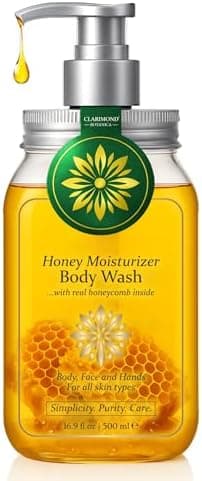
Clarimond Natural Honey Body Wash — Gentle Cleanse
Honey-infused body wash for soft skin — check price on Amazon.
Clarimond Natural Honey Body Wash — Gentle Cl…
Check price on AmazonRed Yeast Rice is most beneficial for individuals with high cholesterol levels. By reducing LDL cholesterol, it may help lower the risk of heart disease and stroke. Some studies also suggest it might have modest effects on raising HDL, or "good" cholesterol, and lowering triglycerides.
While Red Yeast Rice is often considered a natural alternative to statin medications, its effects can vary. The supplement may also contain other compounds that contribute to its overall health benefits, such as antioxidants and B vitamins.
Effectiveness and Risk Overview
Condition | Effectiveness | Details |
|---|---|---|
| High Cholesterol | Red Yeast Rice contains statin-like compounds that have been shown in multiple clinical trials to significantly lower LDL cholesterol levels. | |
| Hyperlipidemia | Similar to its effect on high cholesterol, Red Yeast Rice has been demonstrated to improve lipid profiles by reducing total cholesterol and triglycerides. | |
| Atherosclerosis | The lipid-lowering effects of Red Yeast Rice may help slow the progression of atherosclerosis, though direct evidence is limited. | |
| Cardiovascular Health | By improving lipid profiles, Red Yeast Rice may contribute to overall cardiovascular health, though direct evidence on cardiovascular events is less consistent. |
Check price on Amazon →#Sponsored