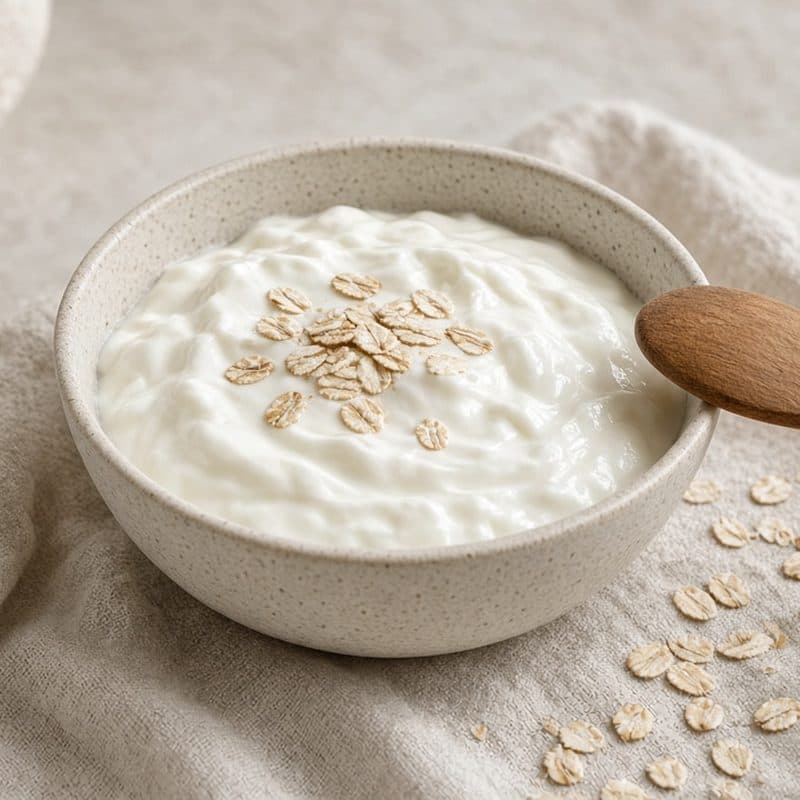
Psyllium is a natural supplement derived from the seeds of the Plantago ovata plant. It is primarily recognized as a source of soluble fiber, commonly used to support digestive health.
When ingested, psyllium absorbs water in the digestive tract, forming a gel-like substance. This property makes it particularly beneficial for promoting regular bowel movements and alleviating constipation. It can also help manage diarrhea by adding bulk and absorbing excess fluid.
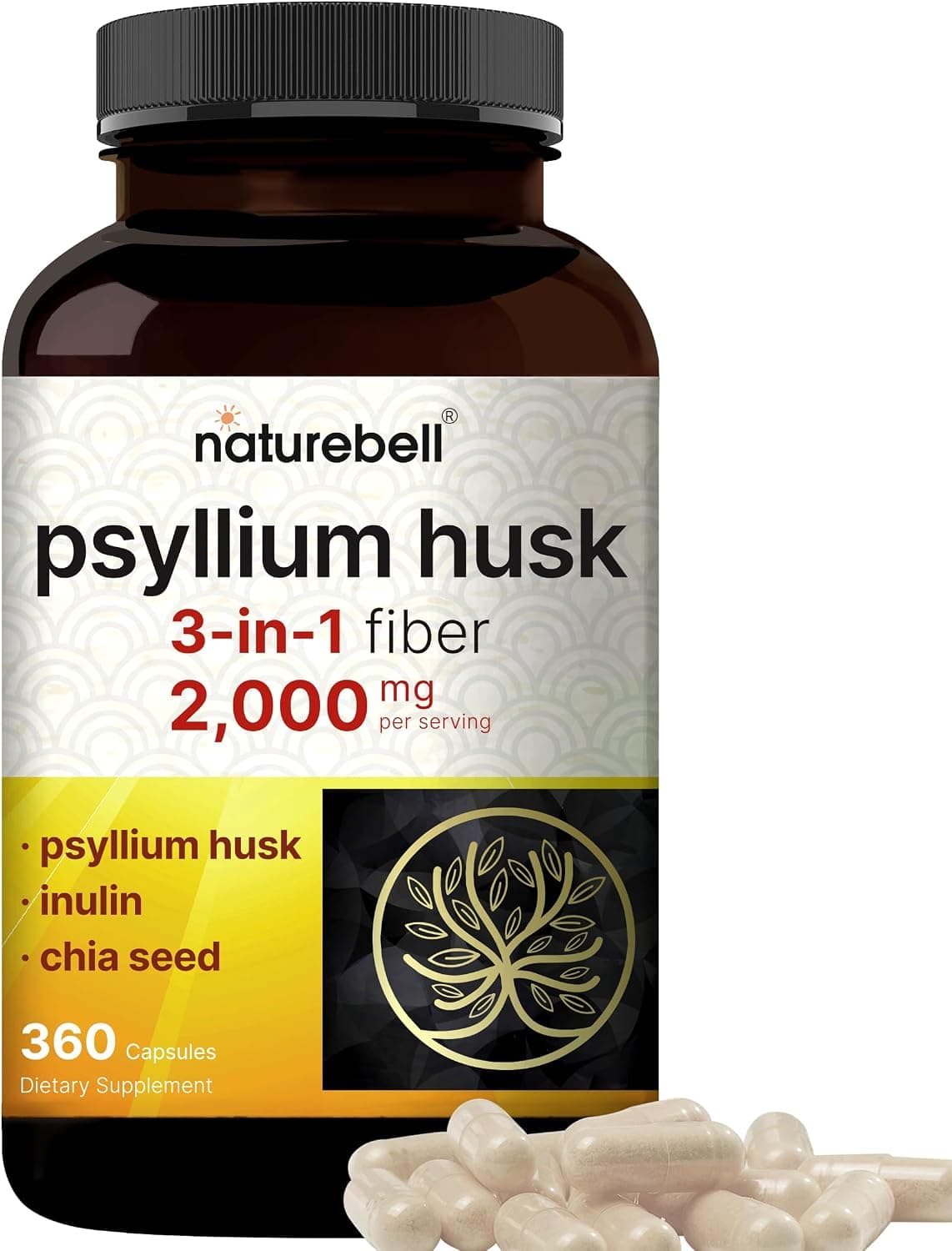
NatureBell Psyllium Husk Fiber Capsules 2,000mg Per Serving, 360 Caps | Soluble Fiber Supplement | 3-in-1 with Inulin & Chia Seed | Plant Based, Non-GMO, Gluten Free
Psyllium husk — check price on Amazon.
Check price on AmazonNatureBell Psyllium Husk Fiber Capsules 2,000…
Check price on AmazonOne of the most significant benefits of psyllium is its role in supporting digestive regularity. By softening stool and stimulating intestinal contractions, it helps maintain a healthy bowel routine. Additionally, psyllium may contribute to cholesterol management, as its soluble fiber can help reduce LDL cholesterol levels when incorporated into a balanced diet.
Psyllium is often recommended for individuals seeking to improve their fiber intake. It is commonly found in powder form, which should be mixed with adequate water or a liquid to avoid choking or blockage. Starting with a low dose and gradually increasing it can help minimize potential side effects like gas or bloating.
Individuals with swallowing difficulties or a history of bowel obstructions should use psyllium with caution. It is important to maintain sufficient hydration while taking psyllium to ensure safe and effective use.
Effectiveness and Risk Overview
Condition | Effectiveness | Details |
|---|---|---|
| Constipation | Psyllium is a soluble fiber that absorbs water, swelling to form a gel-like substance that helps soften and bulk stool, making it easier to pass. Numerous clinical trials have demonstrated its efficacy in treating constipation. | |
| Irritable Bowel Syndrome (IBS) | Psyllium has been shown to improve symptoms of IBS, including abdominal pain and bowel habits, by regulating bowel movements and reducing inflammation. Several studies support its use. | |
| High Cholesterol | Psyllium has been shown to lower LDL cholesterol levels by binding to bile acids and removing them from the body, which in turn reduces cholesterol production in the liver. Multiple clinical trials support this effect. | |
| Diarrhea | Psyllium can help manage diarrhea by absorbing excess water and firming up stool. Its effectiveness can vary depending on the cause of diarrhea. | |
| Bloating | Psyllium can help alleviate bloating by regulating bowel movements and improving gut health, although individual results may vary. | |
| Inflammatory Bowel Disease | Some studies suggest that psyllium may help reduce symptoms of inflammatory bowel disease by promoting a healthy gut environment and reducing inflammation. | |
| Gut Dysbiosis | Psyllium acts as a prebiotic, feeding beneficial gut bacteria, which can help improve gut dysbiosis. However, more research is needed to fully understand its effects. |
Check price on Amazon →#Sponsored