
Polyphenols are a diverse group of naturally occurring compounds found abundantly in plant-based foods. They are often categorized as micronutrients or bioactive components, recognized for their potential health benefits when consumed as part of a balanced diet.
These compounds are primarily known for their antioxidant properties, meaning they help neutralize harmful molecules called free radicals in the body. This protective action may reduce oxidative stress, a process linked to cellular damage and various chronic conditions. Additionally, polyphenols exhibit anti-inflammatory effects, which could contribute to lowering chronic inflammation associated with several health issues.
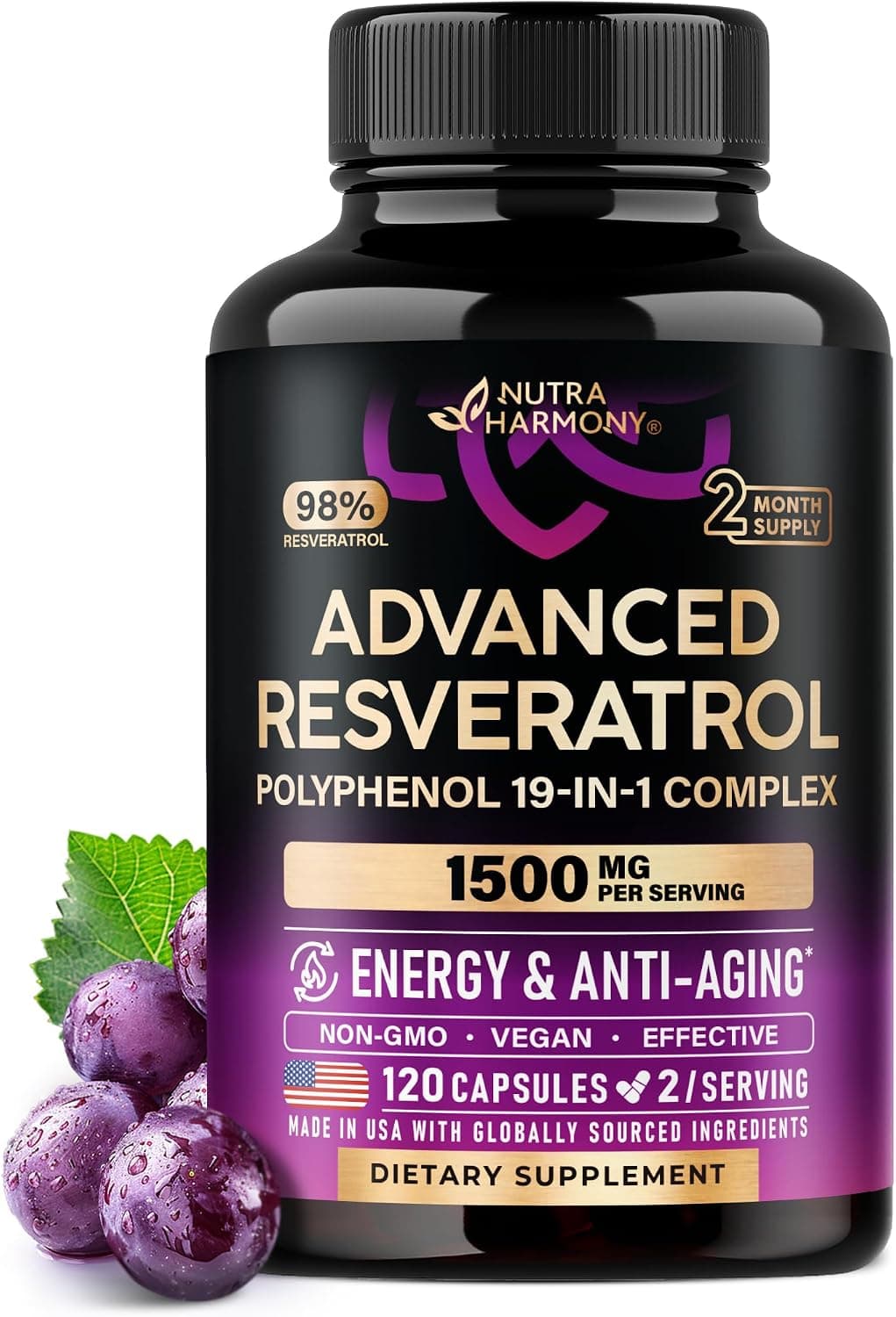
Resveratrol Polyphenol Longevity Complex 19-in-1 (120ct)
Resveratrol polyphenol complex for longevity support — check price on Amazon.
Resveratrol Polyphenol Longevity Complex 19-i…
Check price on AmazonResearch indicates that polyphenols may be particularly beneficial for supporting cardiovascular health. They can help improve blood vessel function, reduce blood pressure, and lower LDL cholesterol levels, potentially decreasing the risk of heart disease. Furthermore, they show promise in promoting brain health by protecting neurons and possibly reducing the risk of cognitive decline.
Common dietary sources include fruits like berries, apples, and citrus; vegetables such as onions and broccoli; beverages like green tea, coffee, and red wine; and certain oils like olive oil. While supplements exist, obtaining polyphenols through whole foods is generally preferred, as they provide a complex matrix of nutrients that work synergistically.
Regular consumption of polyphenol-rich foods may support overall well-being by enhancing metabolic health, improving gut microbiota balance, and potentially reducing the risk of type 2 diabetes. However, individual responses can vary based on diet, lifestyle, and overall health status.
Effectiveness and Risk Overview
Condition | Effectiveness | Details |
|---|---|---|
| Antioxidant Activity | Polyphenols are potent antioxidants that neutralize free radicals, supported by a large body of preclinical and clinical evidence. | |
| Oxidative Stress Reduction | Polyphenols have been shown to significantly reduce oxidative stress through their antioxidant properties, supported by numerous clinical and preclinical studies. | |
| Cardiovascular Health | Polyphenols improve cardiovascular health by reducing blood pressure, improving lipid profiles, and preventing atherosclerosis, as supported by clinical trials and systematic reviews. | |
| Inflammation | Polyphenols have anti-inflammatory effects, reducing markers of inflammation in various studies, including clinical trials and meta-analyses. | |
| Cognitive Function | Polyphenols may improve cognitive function and neuroprotection, with evidence from preclinical studies and some clinical trials, though more research is needed to confirm long-term benefits. | |
| Skin Health | Polyphenols have been shown to protect skin health through antioxidant and anti-inflammatory effects, with some clinical evidence supporting their use in improving skin conditions. | |
| Neurodegenerative Diseases | Polyphenols may have neuroprotective effects relevant to neurodegenerative diseases, with preclinical evidence and some clinical studies suggesting potential benefits, though more research is needed. |
Check price on Amazon →#Sponsored