
Oleic Acid

Active principle guide

Oleic Acid: Benefits, Uses, and Side Effects

Oleic acid is a monounsaturated fatty acid commonly found in many natural foods and oils. It is a key component of healthy dietary fats and is often associat…

Oleic acid is a monounsaturated fatty acid commonly found in many natural foods and oils. It is a key component of healthy dietary fats and is often associated with beneficial effects on overall well-being.

This fatty acid is naturally present in high concentrations in olive oil, making it a staple in Mediterranean diets. Other significant sources include avocados, nuts like almonds and pecans, and certain animal fats such as those in beef tallow. Oleic acid is also commercially produced for use in supplements and skincare products.
Editor's pick
#Sponsored
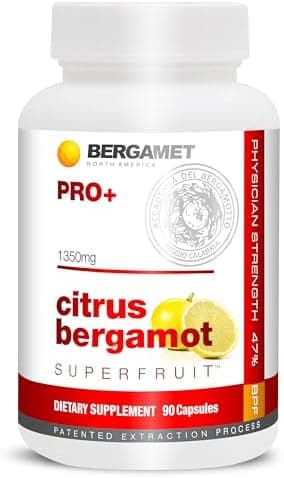
BergaMet Citrus Bergamot SuperFruit PRO+ with Olive Leaf

BergaMet Citrus Bergamot SuperFruit PRO+ with Olive Leaf

Oleic Acid — check price on Amazon.

Check price on AmazonOffer details →

BergaMet Citrus Bergamot SuperFruit PRO+ with…

Check price on Amazon

Research suggests that incorporating oleic acid into the diet may contribute to cardiovascular health by helping to maintain healthy cholesterol levels. It may also possess anti-inflammatory properties, potentially supporting the body's natural response to inflammation.

As a component of healthy fats, oleic acid plays a role in nutrient absorption and cell membrane function. Its presence in skincare formulations is valued for its moisturizing and skin-conditioning properties, helping to maintain the skin's natural barrier.

While often discussed in the context of dietary benefits, oleic acid is not typically classified as a standalone active principle in pharmaceuticals. Its primary benefits are derived from consistent dietary intake through foods rich in monounsaturated fats.

Effectiveness and Risk Overview

Condition
Effectiveness
Details
Cardiovascular Health
The consumption of oleic acid is associated with improved cardiovascular health, including reduced risk of heart disease, as evidenced by epidemiological studies and clinical trials.
Hyperlipidemia
Oleic acid has been shown to improve lipid profiles by reducing LDL cholesterol and triglycerides, and increasing HDL cholesterol, as supported by various clinical studies and meta-analyses.
Inflammation
Oleic acid has anti-inflammatory properties, which have been demonstrated in several in vitro and in vivo studies, suggesting a potential benefit in reducing chronic inflammation.
Oxidative Stress Reduction
Oleic acid has antioxidant properties, which can help mitigate oxidative stress, although the clinical significance of this effect is still being researched.

Check price on Amazon →#Sponsored

Frequently asked questions

What are the benefits of Oleic Acid?

Supports heart health Helps maintain healthy cholesterol levels by reducing bad LDL and increasing good HDL cholesterol. Acts as an antioxidant Helps neutralize harmful molecules in the body, reducing cell damage and supporting long-term health. Promotes healthy cell function Supports flexible and functional cell membranes, which are essential for proper cellular communication and health.

What are the risks of Oleic Acid?

Increases bleeding risk Oleic acid can affect blood clotting, which may raise the chance of bleeding when taken with blood thinners.

Which conditions is Oleic Acid used for?

Cardiovascular Health, Hyperlipidemia, Inflammation, Oxidative Stress Reduction

What are the effects of Oleic Acid on Cardiovascular Health?

The consumption of oleic acid is associated with improved cardiovascular health, including reduced risk of heart disease, as evidenced by epidemiological studies and clinical trials.

What are the effects of Oleic Acid on Hyperlipidemia?

Oleic acid has been shown to improve lipid profiles by reducing LDL cholesterol and triglycerides, and increasing HDL cholesterol, as supported by various clinical studies and meta-analyses.

What are the effects of Oleic Acid on Inflammation?

Oleic acid has anti-inflammatory properties, which have been demonstrated in several in vitro and in vivo studies, suggesting a potential benefit in reducing chronic inflammation.

Best Oleic Acid Combinations for Maximum Benefits

  • Boosted absorption of Vitamin E for better antioxidant effects.
  • Protection of Oleic Acid from oxidation for lasting fat benefits.
  • Dual support for heart health and inflammation reduction.
  • Enhances fat metabolism for sustained energy.
  • Supports cognitive function and nerve health.
  • Promotes cardiovascular and anti-inflammatory effects.
  • Boosts resting metabolic rate for easier fat loss.
  • Promotes cardiovascular health by balancing cholesterol.
  • Dual action supports inflammation control and energy use.
  • Strengthens immune system defenses.
  • Supports healthy cholesterol and heart function.
  • Dual support for heart health.
  • Enhanced antioxidant defense.
  • Promotes healthy inflammation response.
  • Provides potent antioxidant protection.
  • Supports healthy cholesterol balance.
  • Reduces body-wide inflammation.
  • Boosts immune function with natural vitamin C.
  • Supports heart health by improving cholesterol balance.
  • Provides dual antioxidant and anti-inflammatory action.
  • Supports heart health through anti-inflammatory effects.
  • Promotes healthy cell membranes and skin barrier.
  • Improves overall fat metabolism and energy use.
  • Boosts antioxidant defense system.
  • Supports healthy cholesterol balance.
  • Dual action for metabolic health.
  • Eases gas and bloating from high-fiber foods.
  • Promotes heart health via better cholesterol balance.

Disclaimer: Some links on this site are affiliate links. As an Amazon Associate, qualifying purchases may earn us a commission. This content is for informational purposes only and is not medical advice.

Oleic Acid - Benefits, Risks, and Interactions