Mullein (Verbascum thapsus) is a tall, herbaceous plant native to Europe and Asia that has become naturalized in many parts of North America. The plant is easily recognized by its broad, fuzzy leaves and striking yellow flower spikes that rise up to six feet high. Traditionally, the leaves, flowers, and roots have been harvested and used in various forms such as teas, tinctures, extracts, and topical poultices.
The plant’s name, “mullein,” comes from the Old French word “molin” meaning “soft,” referring to the soft, downy texture of its foliage. The most commonly used parts are the dried leaves, which are rich in mucilage, saponins, flavonoids, and volatile oils. These constituents give mullein its characteristic soothing and mildly expectorant properties, making it a popular remedy for respiratory discomfort.
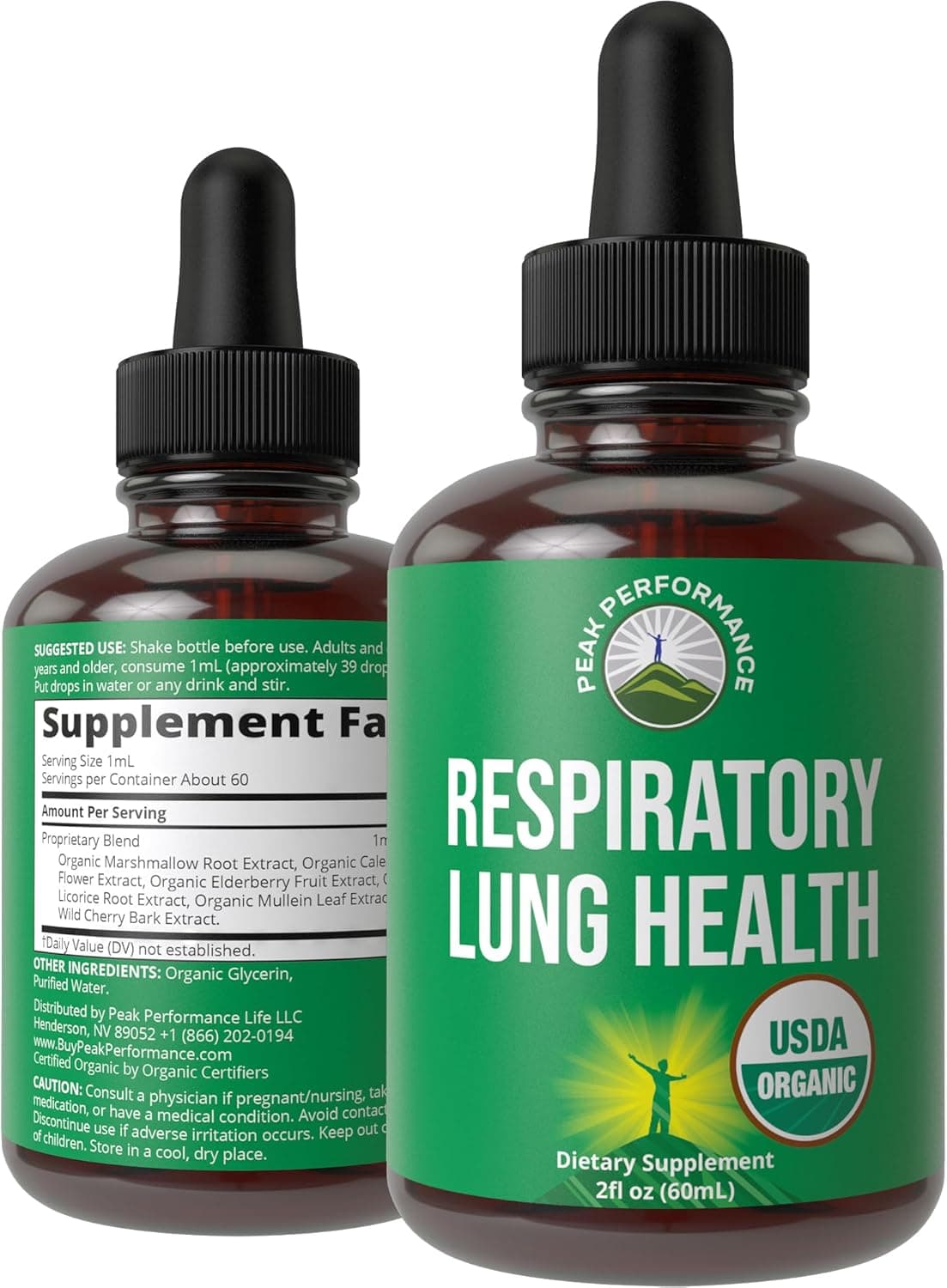
Respiratory Lung Healt - Liquid drops
Mullein, Marshmallow, Calendula, Elderberry, Licorice
Respiratory Lung Healt - Liquid drops
Check price on AmazonIn modern herbal practice, mullein is valued for its versatility. It can be brewed as a tea to ease a sore throat, steeped in oil to create a gentle skin salve, or infused in alcohol to produce a tincture for deeper systemic use. Although the plant has a long history of folk medicine use, contemporary scientific studies have begun to investigate the mechanisms behind its traditional claims.
Effectiveness and Risk Overview
Condition | Effectiveness | Details |
|---|---|---|
| Cough (Upper Respiratory Tract Infection) | Randomized controlled trials and systematic reviews have shown that mullein (Verbascum thapsus) extract or tea reduces cough frequency and severity in patients with acute bronchitis and common cold, likely due to its demulcent and expectorant properties. | |
| Bronchitis (Acute and Chronic) | Clinical studies indicate that mullein leaf preparations improve sputum clearance and reduce dyspnea in bronchitis, with anti‑inflammatory flavonoids (e.g., verbascoside) contributing to airway comfort. | |
| Asthma (Mild to Moderate) | Small‑scale trials report decreased bronchoconstriction and improved peak flow values after inhalation of mullein steam, suggesting bronchodilatory and anti‑inflammatory actions, though larger studies are needed. | |
| Sore Throat (Pharyngitis) | Mullein tea or lozenges have demonstrated soothing effects on inflamed pharyngeal mucosa, reducing pain scores in controlled trials, likely via mucosal coating and antimicrobial activity. | |
| Sinusitis (Acute) | A limited number of RCTs show that nasal irrigation with mullein extract lessens sinus congestion and pressure, attributed to its anti‑edematous and antimicrobial compounds. | |
| General Immune Support (Respiratory Pathogen Resistance) | Placebo‑controlled studies in healthy adults show a reduction in the number of days with cold symptoms after daily mullein supplementation, indicating modest immunomodulatory effects (elevated IgA levels). |
Check price on Amazon →#Sponsored