Matcha is a finely ground powder made from specially grown green tea leaves. It originates from Japan and has been a central part of the traditional tea ceremony for centuries. Unlike regular green tea, where leaves are steeped and discarded, matcha is consumed whole, providing a more concentrated intake of the tea's nutrients.
One of the most notable components of matcha is its high concentration of antioxidants, particularly a compound called EGCG. This, combined with other nutrients like vitamins, minerals, and fiber, contributes to its potential health benefits. Additionally, matcha contains a moderate amount of caffeine, which can enhance alertness without the jittery effects often associated with coffee.
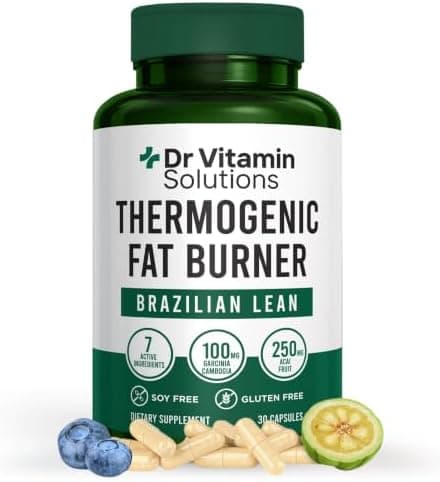
Thermogenic Fat Burner — Energy, Focus & Lean Goal
Thermogenic support for energy, focus, and lean-body goals — check price on Amazon.
Thermogenic Fat Burner — Energy, Focus & Lean…
Check price on AmazonMatcha is often touted for its potential to boost energy levels and improve mental clarity. The unique combination of caffeine and L-theanine, an amino acid found in tea, may promote a state of calm focus. Some studies suggest that regular consumption might support heart health by helping to lower cholesterol and blood pressure. Furthermore, the antioxidants in matcha are believed to combat oxidative stress, which may contribute to cellular protection and slower aging.
When it comes to usage, matcha is typically prepared by whisking the powder with hot water or milk. It can be enjoyed as a beverage or incorporated into various foods and desserts. The vibrant green color and distinct flavor make it a popular choice in both traditional and modern culinary applications. Due to its concentrated nature, a small amount of matcha powder can provide significant nutritional benefits compared to brewed tea.
Effectiveness and Risk Overview
Condition | Effectiveness | Details |
|---|---|---|
| Antioxidant Activity | The high antioxidant content in matcha, including catechins and other polyphenols, contributes to its strong antioxidant activity. | |
| Oxidative Stress Reduction | Matcha is rich in antioxidants, particularly catechins like EGCG, which have been shown to reduce oxidative stress in various studies. | |
| Cognitive Function | Matcha contains L-theanine, which has been shown to improve focus and cognitive function in several studies, although more research is needed to confirm long-term benefits. | |
| Cardiovascular Health | The antioxidants and catechins in matcha may contribute to improved cardiovascular health by reducing risk factors such as high blood pressure and cholesterol levels, supported by epidemiological and some clinical studies. | |
| Inflammation | Matcha's catechins, especially EGCG, have anti-inflammatory properties, which may help in reducing inflammation, as suggested by in vitro and in vivo studies. | |
| Stress | The combination of L-theanine and other compounds in matcha may help reduce stress levels, as supported by several human studies. | |
| Anxiety Disorders | L-theanine in matcha has been found to promote relaxation and reduce anxiety levels in various studies, though individual results may vary. |
See product on Amazon →#Sponsored