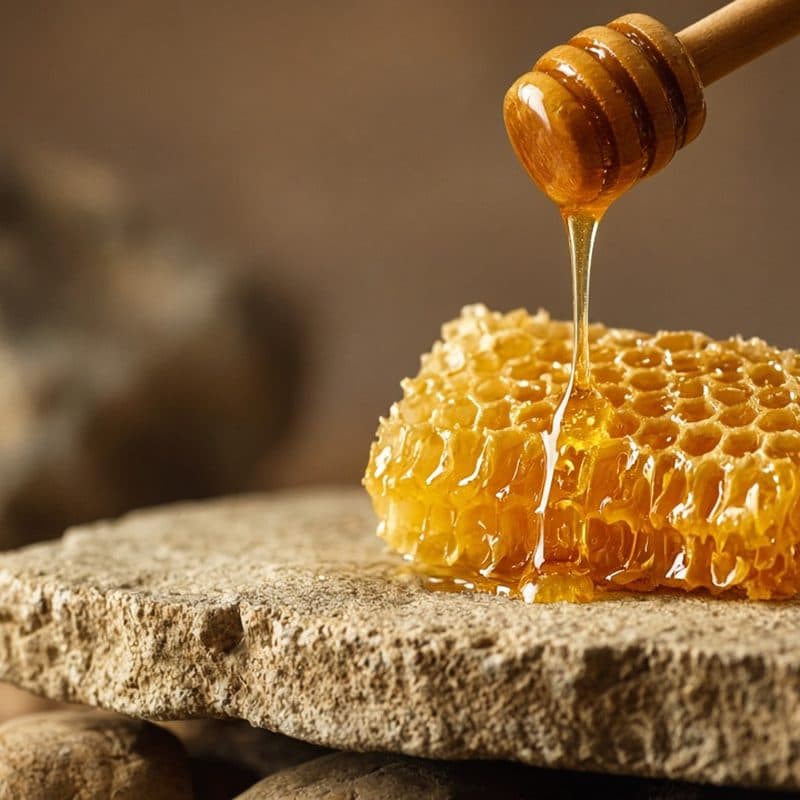
Manuka Honey is a distinctive type of honey originating from the Manuka bush (Leptospermum scoparium), native to New Zealand and parts of Australia. Bees collect nectar from these plants, resulting in honey with unique properties not found in regular honey. Its production is seasonal and geographically limited, contributing to its premium status.
The key characteristic of Manuka Honey is its potent natural antibacterial and antifungal activity, primarily due to compounds like methylglyoxal (MGO) and leptosperin. This activity is measured by the Unique Manuka Factor (UMF) rating, where higher numbers (e.g., UMF 10+) indicate stronger antibacterial potency. This property makes it particularly beneficial for topical applications, such as promoting wound healing and managing minor skin infections.
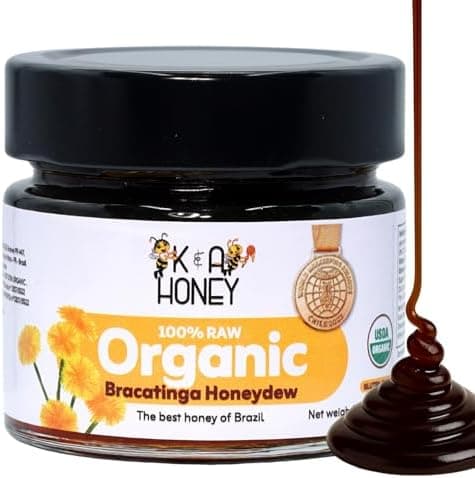
Brazilian Bracatinga Honey — Rare Raw Forest Honey
Deep amber honey from Southern Brazil — bold flavor with natural antioxidants.
Brazilian Bracatinga Honey — Rare Raw Forest…
Check price on AmazonManuka Honey is most beneficial for its potential to soothe throat irritation and coughs when consumed orally, often used as a natural remedy for colds or sore throats. It may also support digestive health by acting as a prebiotic to nourish beneficial gut bacteria. Additionally, its antimicrobial properties can help maintain oral hygiene when used in dental care products.
It is commonly available as raw, unprocessed honey, which preserves its natural enzymes and compounds. Quality varies significantly, so consumers should look for reputable brands with verified UMF ratings or MGO levels (e.g., MGO 100+). While generally safe, its high sugar content means it should be consumed in moderation, especially by individuals with diabetes.
Effectiveness and Risk Overview
Condition | Effectiveness | Details |
|---|---|---|
| Wound Healing | Medical-grade Manuka honey is widely used in wound dressings. Clinical evidence shows it can accelerate healing in burns, surgical sites, and infected wounds by keeping the wound moist, reducing bacterial load, and supporting tissue repair. | |
| Antibacterial Infections | Manuka honey’s methylglyoxal (MGO) and unique Manuka factor (UMF) activity give it potent antibacterial effects against a wide range of bacteria, including some antibiotic-resistant strains. In vitro and clinical wound-care studies support topical antibacterial use. | |
| Sore Throat | Manuka honey is a traditional go-to for scratchy, irritated throats. Its viscosity coats tissue while antibacterial compounds may ease infection-related discomfort. | |
| Antioxidant Activity | Manuka honey contains flavonoids and phenolic compounds that contribute measurable antioxidant capacity, helping counter oxidative stress as part of a varied diet. | |
| Upper Respiratory Tract Infections | Manuka honey is commonly used to soothe sore throats and ease upper respiratory symptoms. Evidence for honey in URTIs is supportive; Manuka’s extra antibacterial profile makes it a popular choice for seasonal throat discomfort. | |
| Cough | Honey (including Manuka) can reduce cough frequency and severity, with pediatric research showing benefits comparable to some OTC cough syrups. Useful as a short-term soothing remedy for nighttime cough (not for infants under 1 year). | |
| Digestive Issues | Like other honeys, Manuka may offer mild prebiotic and gut-soothing effects for some digestive discomfort, though evidence is weaker than for wound and respiratory uses. |