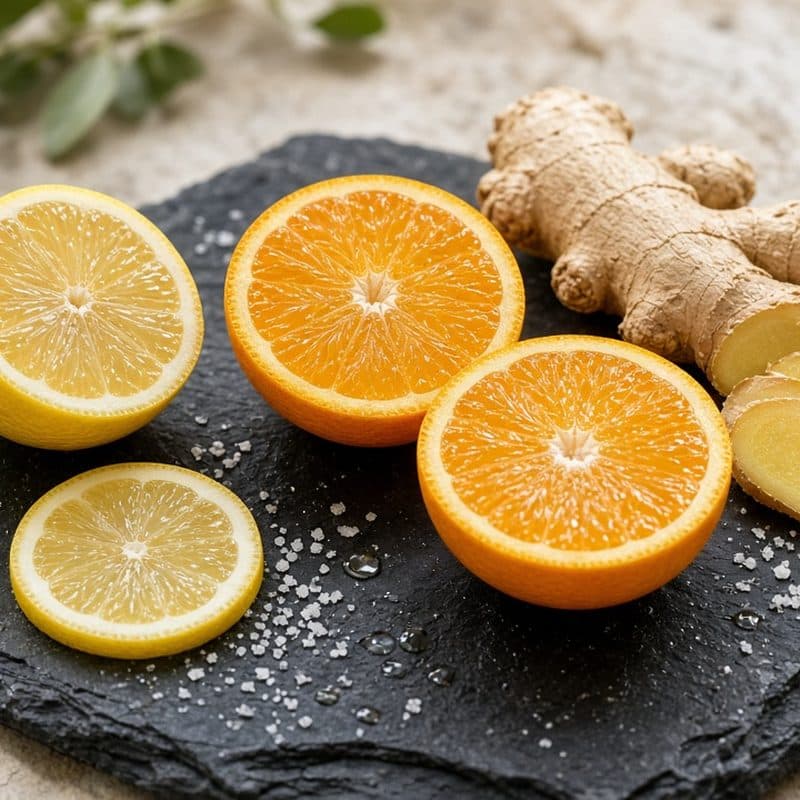
Iron

Active principle guide

Iron: Benefits, Dosage & Deficiency Guide

Iron is an essential mineral that plays a critical role in the human body. It is a key component of hemoglobin, the protein in red blood cells responsible fo…

Iron is an essential mineral that plays a critical role in the human body. It is a key component of hemoglobin, the protein in red blood cells responsible for transporting oxygen from the lungs to tissues throughout the body.

Adequate iron intake is crucial for maintaining healthy energy levels and overall well-being. It supports physical performance, cognitive function, and is vital for the growth and development of children and adolescents. Iron also contributes to a strong immune system and helps regulate body temperature.
Editor's pick
#Sponsored
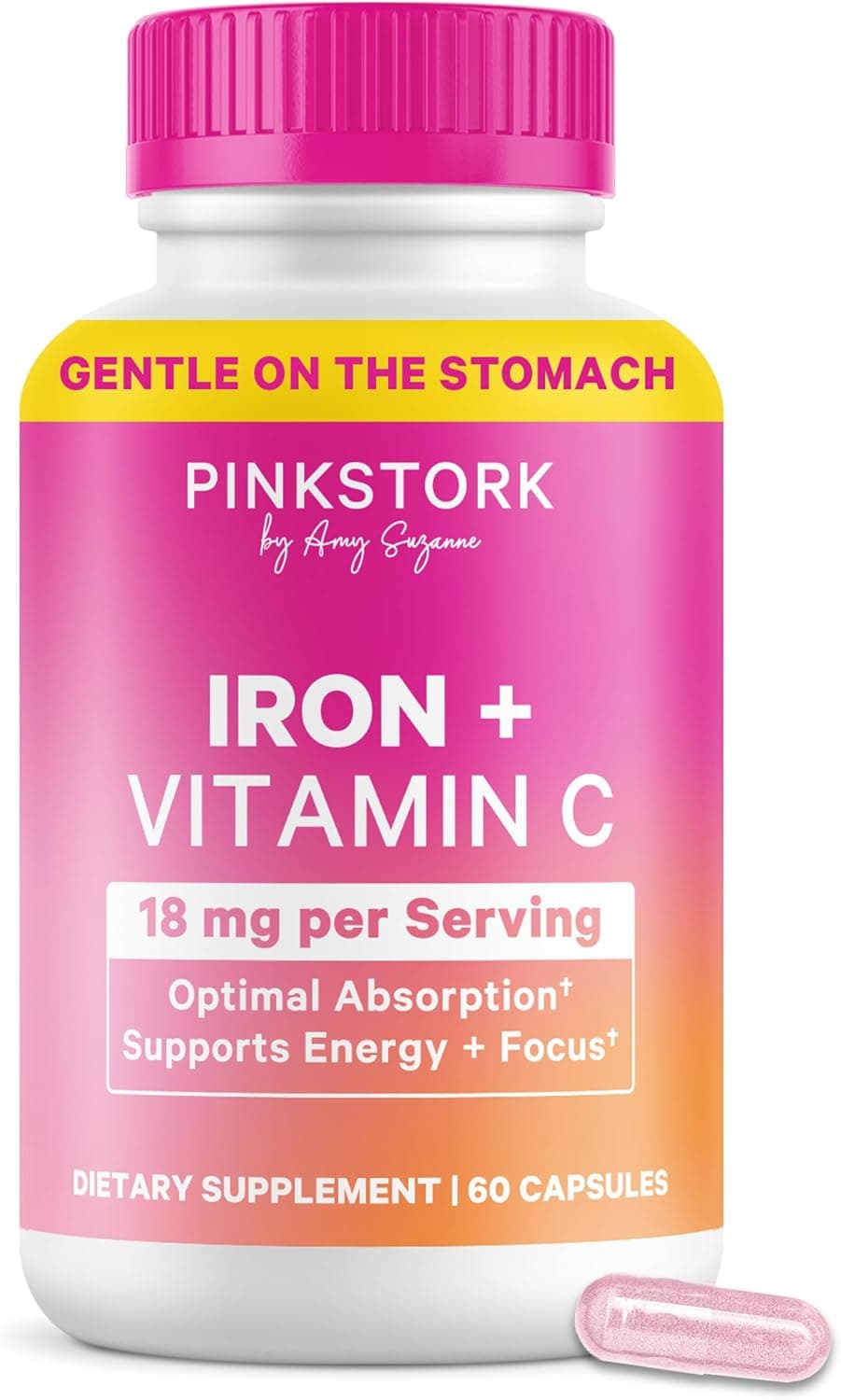
Pink Stork Iron for Women with Vitamin C

Pink Stork Iron for Women with Vitamin C

Oral iron with vitamin C for energy — check price on Amazon.

Iron
Check price on Amazon

Pink Stork Iron for Women with Vitamin C

Check price on Amazon

The body absorbs iron from food in two main forms: heme iron, found in animal products like meat and fish, and non-heme iron, found in plant-based foods such as beans, lentils, and fortified cereals. Vitamin C can enhance the absorption of non-heme iron, while substances like calcium or tannins in tea and coffee may reduce it.

Iron deficiency, the most common nutritional deficiency worldwide, can lead to iron deficiency anemia. Symptoms include fatigue, weakness, pale skin, and shortness of breath. On the other hand, excessive iron intake, particularly from supplements, can cause toxicity, leading to nausea, constipation, and in severe cases, organ damage.

Maintaining appropriate iron levels is important for health. While a balanced diet rich in iron sources can prevent deficiency, individuals with specific conditions or dietary restrictions may require additional assessment. The body's ability to regulate iron absorption helps prevent excess, but certain conditions can affect this balance.

Effectiveness and Risk Overview

Condition
Effectiveness
Details
Menstrual Health
Iron supplementation can help manage menstrual-related iron deficiency and anemia in women with heavy menstrual bleeding.

Check price on Amazon →#Sponsored

Frequently asked questions

What are the benefits of Iron?

Boosts energy levels Iron helps carry oxygen to cells, which is necessary for energy production and reduces fatigue. Supports red blood cell health Iron is essential for producing hemoglobin, which transports oxygen in red blood cells. Strengthens immune function Iron aids immune cells in defending the body against infections and harmful invaders.

What are the risks of Iron?

Increases bleeding risk Iron can interfere with blood-thinning medications, raising the chance of bleeding episodes. Reduces zinc absorption Taking iron at the same time as zinc can lower how much zinc the body takes in.

Which conditions is Iron used for?

Menstrual Health

What are the effects of Iron on Menstrual Health?

Iron supplementation can help manage menstrual-related iron deficiency and anemia in women with heavy menstrual bleeding.

Best Iron Combinations for Maximum Benefits

  • Dramatically increased iron absorption rates.
  • Dual action for sustained energy and vitality.
  • Amplified immune and antioxidant defense.
  • Dramatic boost in iron absorption for lasting energy.
  • Dual action immunity and antioxidant defense.
  • Improved oxygen transport and cellular health.
  • Boosted iron absorption for better energy.
  • Dual action on digestion and oxygen transport.
  • Supports anemia prevention naturally.
  • Boosts metabolism for easier weight control.
  • Improves oxygen transport to reduce fatigue.
  • Dual support for sustained daily energy.
  • Boosts brain energy and mental clarity.
  • Improves oxygen transport to combat fatigue.
  • Supports dual energy pathways for vitality.
  • Boosts immune defenses effectively.
  • Maintains steady energy and oxygen flow.
  • Supports stable blood sugar levels.
  • Boosts oxygen transport in blood.
  • Reduces inflammation for heart health.
  • Boosts energy by preventing anemia.
  • Reduces gas and bloating from high-fiber foods.
  • Supports red blood cell production and energy levels.
  • Boosts energy and reduces stress-induced fatigue.
  • Supports immune function and blood health.

Disclaimer: Some links on this site are affiliate links. As an Amazon Associate, qualifying purchases may earn us a commission. This content is for informational purposes only and is not medical advice.

Iron Benefits, Dosage, Deficiency & Forms