
Hyaluronic Acid, often abbreviated as HA, is a substance that occurs naturally in the body. It is found in many tissues, including the skin, joints, and eyes. Hyaluronic Acid is a type of molecule that helps to retain moisture and provide cushioning.
In the body, Hyaluronic Acid plays a crucial role in maintaining hydration and elasticity. It acts like a sponge, holding water to keep tissues moist and flexible. This is particularly important in the skin, where it helps maintain a youthful appearance, and in the joints, where it lubricates and cushions the cartilage.
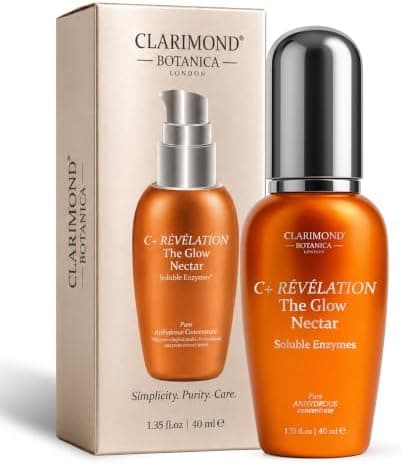
Clarimond Waterless Vitamin C Serum
Waterless vitamin C serum for skin glow — check price on Amazon.
Clarimond Waterless Vitamin C Serum
Check price on AmazonAs a supplement or in topical products, Hyaluronic Acid is used to support skin health and joint function. When applied to the skin, it can enhance hydration and may reduce the appearance of wrinkles. When taken orally or used in injections, it is often associated with improved joint mobility and reduced discomfort.
Furthermore, Hyaluronic Acid plays a role in wound healing and maintaining eye health. It can help in the repair of damaged tissues and is used in eye drops to alleviate dryness. The body's natural levels of HA may decline with age, so using it as a supplement or in products can help maintain these functions.
Effectiveness and Risk Overview
Condition | Effectiveness | Details |
|---|---|---|
| Skin Aging | Hyaluronic acid is known for its ability to retain moisture, improving skin elasticity and reducing the appearance of fine lines and wrinkles. Numerous clinical studies have demonstrated its efficacy in improving skin hydration and reducing signs of aging. | |
| Dry Eye Syndrome | Hyaluronic acid eye drops are used to treat dry eye syndrome by improving tear film stability and reducing symptoms. Clinical studies have demonstrated its effectiveness in improving eye comfort and reducing dryness. | |
| Dry Skin | Hyaluronic acid's hydrating properties make it effective in treating dry skin conditions by improving skin moisture levels. Clinical evidence supports its use in dermatology for this purpose. | |
| Skin Health | Hyaluronic acid supports overall skin health by maintaining hydration and elasticity. Its benefits are well-documented in dermatological research, showing improvements in skin texture and appearance. | |
| Wound Healing | Hyaluronic acid promotes wound healing by enhancing tissue repair and regeneration. Studies have shown its effectiveness in improving wound closure rates and reducing healing time. | |
| Osteoarthritis | Intra-articular injections of hyaluronic acid are used to treat osteoarthritis by improving joint lubrication and reducing pain. Clinical trials have shown varying degrees of efficacy, but it is a recognized treatment option. |
See product on Amazon →#Sponsored