Garlic, derived from the plant Allium sativum, is a common culinary ingredient and traditional remedy used globally for centuries. It is recognized for its pungent aroma and potential health benefits, primarily attributed to compounds formed when its cloves are crushed or chopped.
When garlic is damaged, an enzyme reaction produces allicin, a sulfur-containing compound responsible for its characteristic smell and many therapeutic effects. This compound is unstable and quickly converts to other active substances like diallyl sulfides, which contribute to garlic's biological activities.
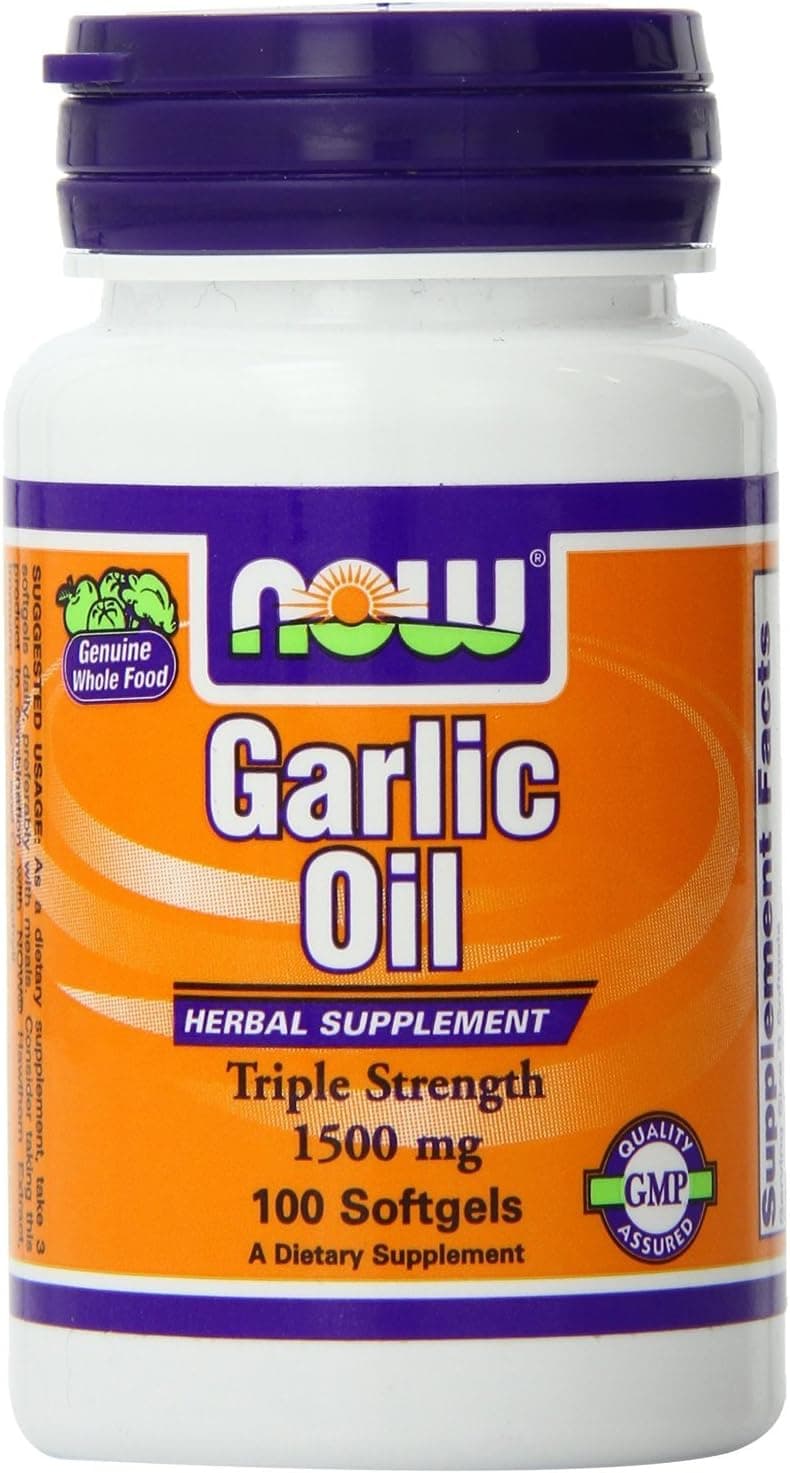
NOW Foods Garlic Oil 1500 mg 100 Softgels (Pack of 2)
Garlic — check price on Amazon.
Check price on AmazonNOW Foods Garlic Oil 1500 mg 100 Softgels (Pa…
Check price on AmazonGarlic is most beneficial for cardiovascular health, as it may help lower cholesterol levels and reduce blood pressure. It also supports immune function and possesses antimicrobial properties, making it traditionally used to combat infections. Some evidence suggests it may aid in maintaining healthy blood sugar levels and offer antioxidant effects.
Common forms include fresh cloves, dried powder, oil extracts, and standardized supplements like capsules or tablets. The dosage varies based on the form and intended use, with supplements often providing concentrated amounts of active compounds.
While generally safe for most adults, garlic may cause side effects such as bad breath, heartburn, or gastrointestinal upset. It can interact with blood-thinning medications, potentially increasing bleeding risk, and individuals with bleeding disorders or scheduled for surgery should exercise caution.
Effectiveness and Risk Overview
Condition | Effectiveness | Details |
|---|---|---|
| Antiviral Infections | Garlic has shown antiviral activity against various viruses in vitro and in some clinical studies, suggesting potential benefits against viral infections. |
Check price on Amazon →#Sponsored