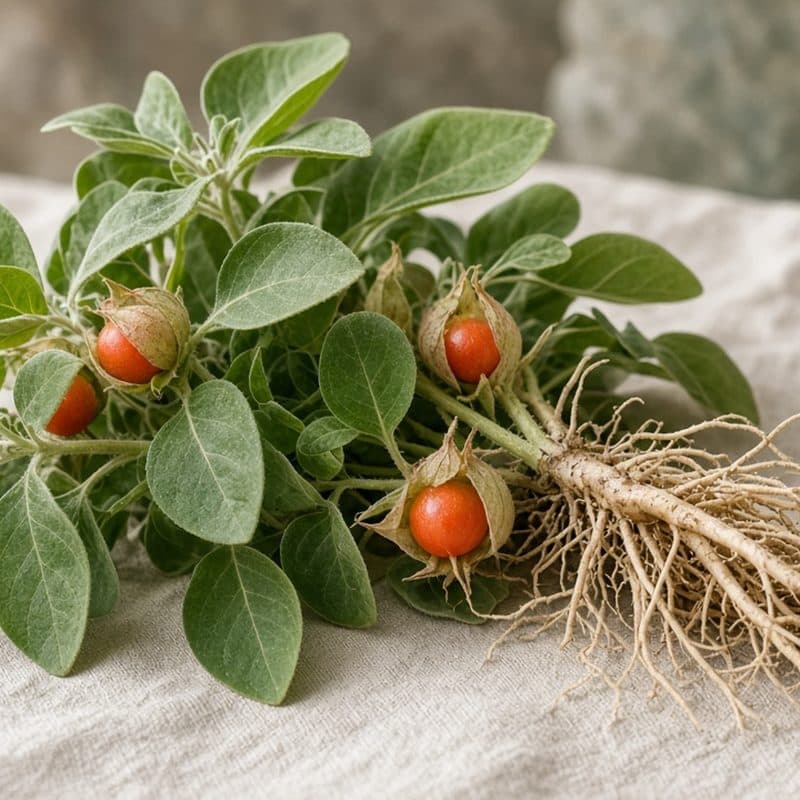
Fenugreek is a plant native to regions of the Mediterranean, Asia, and Africa, with seeds and leaves commonly used for culinary and medicinal purposes. The seeds, in particular, are the part most frequently utilized as a supplement, often ground into powder or encapsulated.
For centuries, Fenugreek has been employed in traditional systems of medicine to address various health concerns. It is most notably recognized for its potential to support lactation in breastfeeding mothers, as compounds in the seeds may help stimulate milk production. Additionally, Fenugreek is valued for its traditional use in aiding digestive health, potentially easing symptoms like indigestion and inflammation in the gut.
Research suggests Fenugreek may offer benefits related to blood sugar regulation, as its fiber and compounds like saponins could help slow carbohydrate absorption and improve insulin sensitivity. Some studies also indicate it might contribute to cholesterol management by reducing LDL ("bad") cholesterol levels. While less extensively studied, Fenugreek is sometimes associated with potential effects on testosterone levels and muscle mass, though more evidence is needed.
Important considerations include that Fenugreek can cause mild side effects such as digestive upset or a maple syrup-like odor in urine. It may interact with medications like blood thinners, diabetes drugs, or thyroid treatments, so concurrent use requires caution. Pregnant individuals should avoid it due to potential uterine stimulation effects. Fenugreek is typically consumed as seeds, tea, capsules, or in topical forms, with dosage varying based on intended use.
Key active components include saponins, flavonoids, and fiber, which contribute to its physiological effects. While generally safe for short-term use in recommended amounts, long-term supplementation or high doses may pose risks, and individual responses can vary significantly.
Effectiveness and Risk Overview
Condition | Effectiveness | Details |
|---|---|---|
| Menopausal Symptoms | Some studies suggest that fenugreek may help alleviate menopausal symptoms, such as hot flashes and night sweats, possibly due to its phytoestrogenic properties. However, the evidence is not yet conclusive. | |
| Testosterone Levels | There is some evidence suggesting that fenugreek can increase testosterone levels, which could be beneficial for conditions related to low testosterone. However, more research is needed to fully understand its effects. |