Echinacea refers to a group of flowering plants, commonly known as coneflowers, native to North America. These plants have been used for centuries in traditional medicine, particularly by Native American tribes, and are now widely recognized as a popular herbal supplement.
As a supplement, Echinacea is primarily taken to support the immune system. It is available in various forms, including capsules, tablets, liquid extracts, and teas. People often use it at the first sign of a cold or flu, believing it can help boost the body's natural defenses.
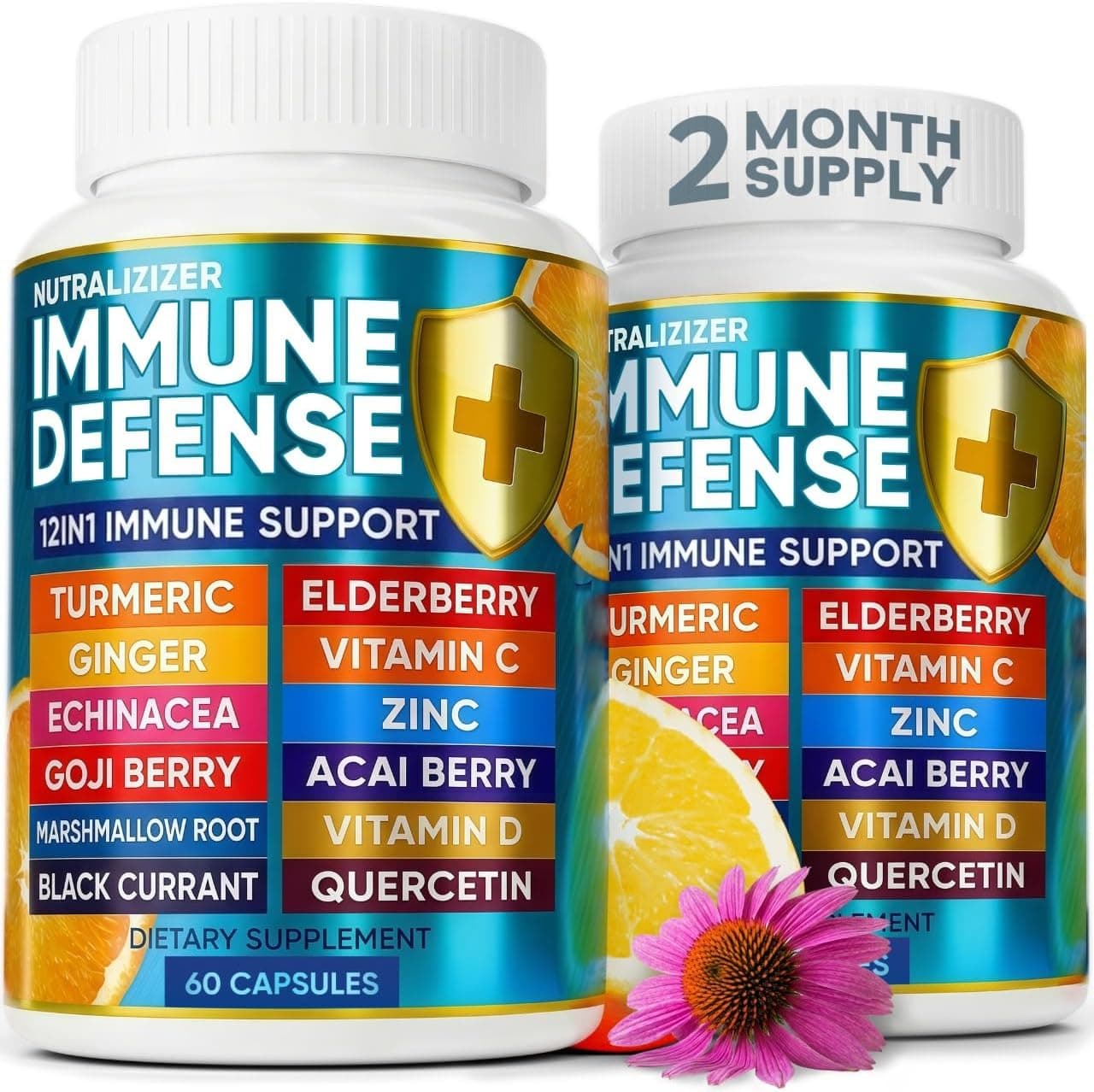
NUTRALIZIZER Advanced Immune Support 60ct
Elderberry and echinacea immune support — check price on Amazon.
NUTRALIZIZER Advanced Immune Support 60ct
Check price on AmazonEchinacea is most beneficial for potentially reducing the severity and duration of common colds and upper respiratory infections. Some individuals also use it preventively to maintain immune health during cold and flu season, though evidence on prevention is less consistent.
Additionally, Echinacea has been traditionally applied topically for skin conditions such as minor wounds, burns, and insect bites. It is believed to possess anti-inflammatory and wound-healing properties that may aid in the skin's natural recovery process.
Common forms include standardized extracts, which are thought to concentrate the active compounds, and whole-plant preparations. The root and aerial parts of the plant are typically used, with different species like Echinacea purpurea and Echinacea angustifolia being most commonly utilized.
Effectiveness and Risk Overview
Condition | Effectiveness | Details |
|---|---|---|
| Common Cold | Echinacea is most well-researched for reducing the duration and severity of common cold symptoms when taken at onset | |
| Immune System Support | Multiple studies show echinacea can enhance immune system function by increasing white blood cell activity and antibody production | |
| Viral Infections | Echinacea may help reduce frequency of viral infections, particularly upper respiratory tract infections | |
| Upper Respiratory Tract Infections | Traditional use and some clinical studies support echinacea for upper respiratory tract infection prevention and treatment | |
| Antiviral Infections | Some evidence suggests echinacea may have antiviral properties against certain respiratory viruses | |
| Immune Weakness | May help strengthen immune function in individuals with weakened immune systems | |
| Infections (Various) | While Echinacea is traditionally used to support immune function against various infections, the evidence is more robust for viral infections like the common cold. Its effect on bacterial or fungal infections is less clear. |
Check price on Amazon →#Sponsored