
Creatine is a naturally occurring compound primarily found in the body's muscles, where it plays a key role in energy production. It is also present in foods like meat and fish, though supplements are commonly used to increase levels beyond dietary intake.
Creatine works by helping muscles regenerate ATP, the primary energy source for short bursts of high-intensity activity. This process allows for greater power output and delayed fatigue during exercises like weightlifting, sprinting, or other explosive movements.
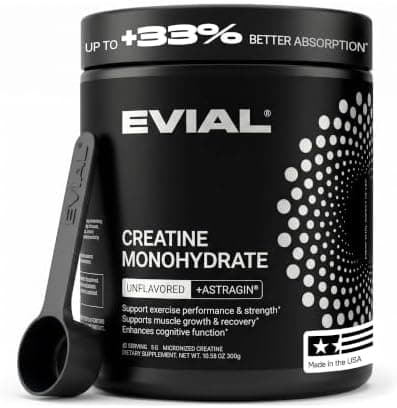
Creatine Monohydrate — Strength, Power & Recovery
Muscle — check price on Amazon.
Check price on AmazonCreatine Monohydrate — Strength, Power & Reco…
Check price on AmazonThe most beneficial use of Creatine is for enhancing athletic performance, particularly in sports requiring repeated bouts of intense effort. It may also support muscle growth and strength gains when combined with consistent resistance training.
Creatine supplements are typically taken as a powder mixed with water or other beverages, though capsules are also available. Many users follow an initial loading phase to rapidly increase muscle stores, followed by a lower daily maintenance dose.
While generally well-tolerated by healthy individuals, staying adequately hydrated is important when using Creatine. It is not a substitute for proper nutrition, training, or medical advice.
Effectiveness and Risk Overview
Condition | Effectiveness | Details |
|---|---|---|
| Exercise Performance | Creatine enhances high-intensity exercise performance by increasing the availability of phosphocreatine, thereby delaying fatigue and improving overall athletic performance, as demonstrated in multiple studies. | |
| Muscle Strength | Creatine supplementation has been consistently shown to increase muscle strength in both men and women across various age groups and training statuses, supported by numerous clinical trials and meta-analyses. | |
| Muscle Recovery | Creatine supplementation has been found to aid in muscle recovery after intense exercise, potentially by reducing muscle damage and inflammation, supported by several clinical studies. | |
| Muscle Growth | Creatine can contribute to increased muscle mass when combined with resistance training, likely due to its effects on muscle protein synthesis and cell signaling pathways, as indicated by various research studies. | |
| Fatigue | Creatine can help reduce fatigue during high-intensity activities, contributing to improved performance and endurance, as supported by various exercise studies. | |
| Cognitive Function | Some studies suggest that creatine may have neuroprotective effects and potentially improve cognitive function, particularly in conditions of fatigue or stress, but more research is needed to confirm these findings. | |
| Aerobic Endurance | While primarily known for its effects on anaerobic performance, creatine may also offer some benefits for aerobic endurance, although the evidence is less consistent and generally weaker than for strength and power. |
Check price on Amazon →#Sponsored