
Chromium is an essential trace mineral that plays a vital role in human health, particularly in metabolic processes. It is naturally present in small amounts in various foods and is also available as a dietary supplement. The body requires chromium in very small quantities, but it is crucial for optimal functioning.
Chromium's most significant benefit relates to blood sugar regulation. It works closely with the hormone insulin to help transport glucose from the bloodstream into cells for energy production. This action supports healthy blood sugar levels and may be especially beneficial for individuals with insulin resistance or type 2 diabetes, though research on its effectiveness in supplements is ongoing.
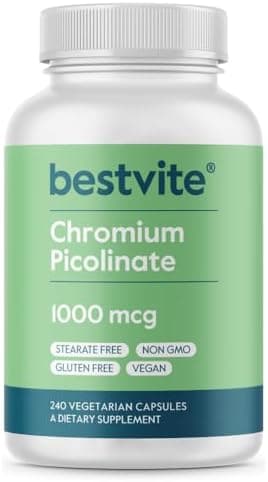
BESTVITE Chromium Picolinate 1000mcg — Vegan Capsules
Chromium picolinate 1000mcg (Albion chelated) — check price on Amazon.
BESTVITE Chromium Picolinate 1000mcg — Vegan…
Check price on AmazonCommon dietary sources of chromium include whole grains, broccoli, grapes, and certain meats. However, modern diets may lack sufficient chromium, leading some people to consider supplements. The most common forms in supplements are chromium picolinate, chromium chloride, and chromium polynicotinate, each with varying levels of absorption.
While chromium is essential, excessive intake can be harmful. The tolerable upper intake level for adults is 200 micrograms per day. Consuming too much chromium, especially from supplements, may cause adverse effects such as gastrointestinal issues or interactions with medications like blood thinners or diabetes drugs.
Some studies suggest chromium may support weight management and cholesterol health, but evidence remains limited and inconclusive. Its primary established role is in enhancing insulin sensitivity, making it a focus for research in metabolic health. Always choose reputable brands for supplements to ensure purity and appropriate dosing.
Effectiveness and Risk Overview
Condition | Effectiveness | Details |
|---|---|---|
| Insulin Resistance | Chromium has been found to enhance insulin sensitivity, reducing insulin resistance, as demonstrated in various clinical studies. | |
| High Blood Sugar | Chromium supplementation is associated with reduced blood sugar levels, supported by clinical evidence. | |
| Type 2 Diabetes | Chromium supplementation has been shown to improve glucose metabolism and insulin sensitivity in individuals with type 2 diabetes, supported by multiple clinical trials and meta-analyses. | |
| Glucose Metabolism Disorders | Chromium has been shown to positively affect glucose metabolism, as supported by clinical trials and reviews. | |
| Metabolic Syndrome | Chromium may help manage metabolic syndrome by improving insulin sensitivity and lipid profiles, as indicated by some clinical trials. | |
| Polycystic Ovary Syndrome (PCOS) | Some studies suggest chromium may improve insulin sensitivity and metabolic parameters in women with PCOS, though more research is needed to confirm its efficacy. | |
| Weight Management | Some studies suggest chromium may aid in weight loss, but the evidence is mixed and not conclusively supported by large-scale clinical trials. |
Check price on Amazon →#Sponsored