
Choline is an essential nutrient that the body requires for various critical functions. It is not classified as a vitamin but is considered a vital component of a balanced diet, often grouped with B vitamins due to its similar roles.
Choline plays a fundamental role in the body, particularly in supporting brain health and cognitive function. It is a key building block for acetylcholine, a neurotransmitter essential for memory, mood, and muscle control. Additionally, choline is crucial for maintaining healthy liver function, helping to transport fats and prevent fatty liver disease.
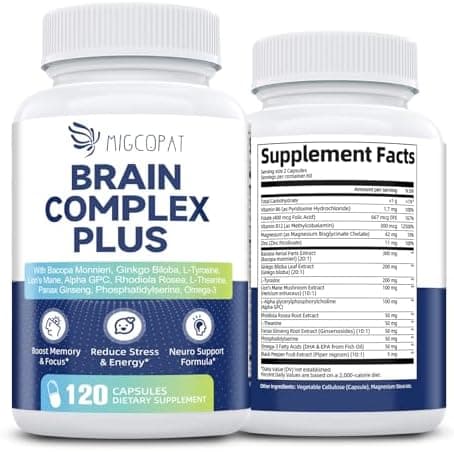
Lion’s Mane + Bacopa + Alpha GPC Brain Stack
A nootropic blend for memory, focus, and clear thinking when you need it most.
Lion’s Mane + Bacopa + Alpha GPC Brain Stack
Check price on AmazonAs a structural component, choline is integral to the formation of cell membranes, contributing to their integrity and fluidity. It also aids in the metabolism of fats and cholesterol, supporting overall cardiovascular health. Adequate choline intake is especially important during pregnancy, as it supports fetal brain development and may reduce the risk of neural tube defects.
Dietary sources of choline include eggs, meat, poultry, fish, dairy products, and certain vegetables like broccoli and Brussels sprouts. While the body can produce some choline, most individuals need to obtain it from their diet to meet daily requirements. The recommended daily intake varies by age and sex, with adults generally needing about 400-550 milligrams.
Choline supplementation may be considered under specific circumstances, such as during pregnancy, breastfeeding, or for individuals with certain dietary restrictions. However, it is important to note that excessive intake can lead to side effects like fishy body odor or gastrointestinal discomfort. Consulting a healthcare provider is advisable before starting any new supplement regimen.
Effectiveness and Risk Overview
Condition | Effectiveness | Details |
|---|---|---|
| Cognitive Function | Choline is a precursor to acetylcholine, a neurotransmitter involved in memory and cognitive function. Studies have shown that choline supplementation can improve cognitive performance, particularly in tasks requiring attention and memory. | |
| Fatty Liver Disease | Choline is essential for the synthesis of phospholipids and the transport of lipids out of the liver. Deficiency in choline has been associated with fatty liver disease, and supplementation has been shown to improve liver health in clinical studies. | |
| Brain Health Maintenance | Choline's role in the synthesis of acetylcholine and other neurotransmitters supports brain health. While direct evidence is still emerging, choline supplementation is believed to support overall brain health and potentially reduce the risk of neurodegenerative diseases. | |
| Neuroplasticity Support | As a precursor to acetylcholine, choline supports neurotransmitter function, which is crucial for neuroplasticity. Some studies suggest that choline supplementation may enhance neuroplasticity, although more research is needed to confirm its effectiveness. | |
| Memory Loss | Choline supplementation has been investigated for its potential to improve memory. While some studies show promise, particularly in populations with choline deficiency or specific cognitive impairments, more research is needed to fully understand its effects on memory loss. | |
| Alzheimer's Disease | Some research suggests that choline supplementation may have a beneficial effect on Alzheimer's disease by supporting cholinergic neurotransmission. However, evidence is not yet conclusive, and more studies are required to determine its therapeutic potential. |
Check price on Amazon →#Sponsored