
Cayenne pepper is a spice derived from the dried fruit of the Capsicum annuum plant, commonly recognized for its vibrant red color and pungent heat. It has been used for centuries in culinary traditions and traditional medicine across various cultures, primarily valued for its potential health benefits.
The key active component in cayenne pepper is capsaicin, a compound responsible for its characteristic spiciness and many therapeutic effects. Capsaicin interacts with sensory receptors in the body, particularly TRPV1 receptors, which can trigger sensations of warmth and influence physiological responses. This interaction forms the basis for several potential applications.
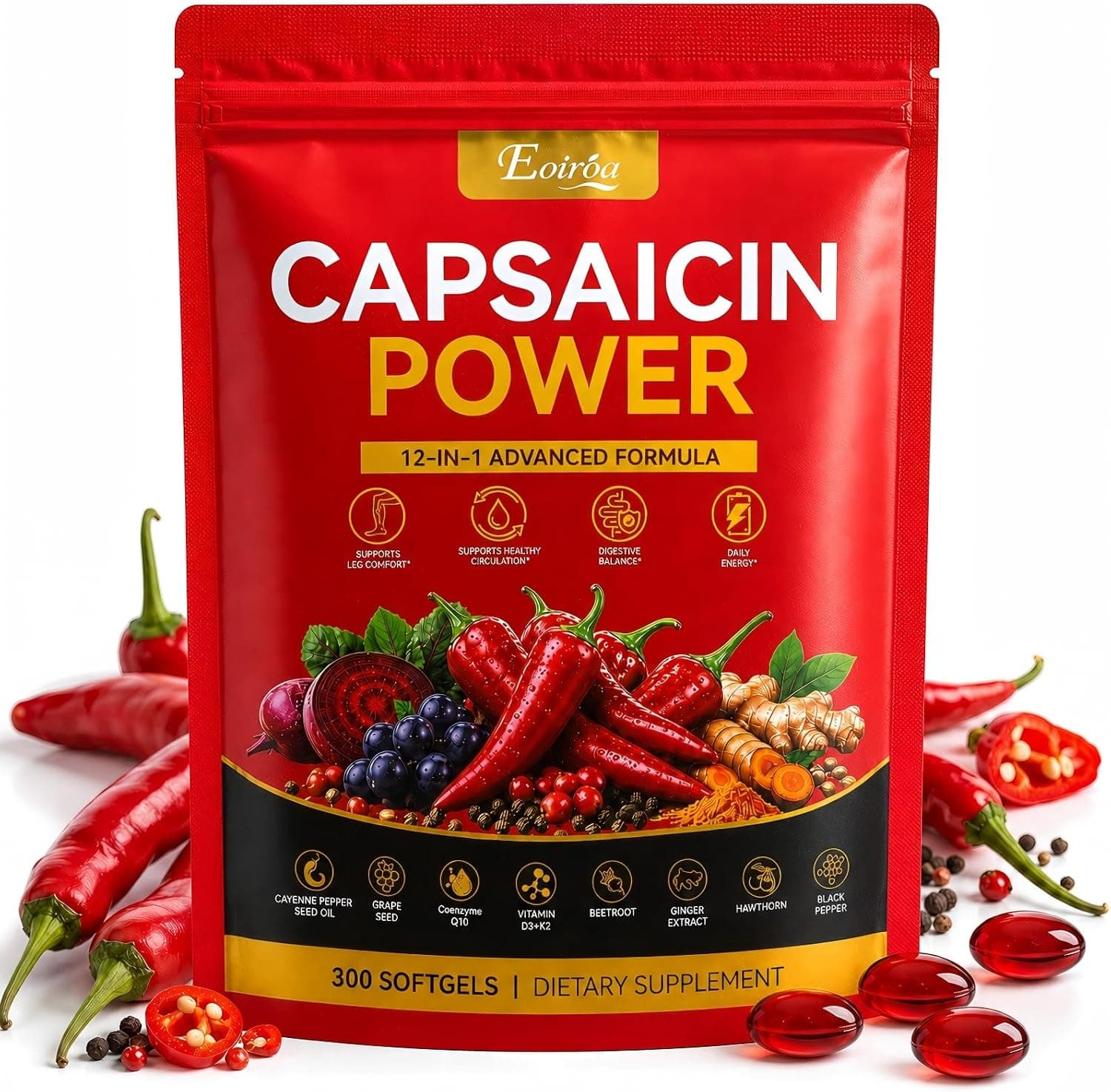
Eoiroa Cayenne Pepper Softgels — Capsaicin Circulation Support 3000mg (300 Softgels)
Cayenne/capsaicin softgels for circulation support — check price on Amazon.
Eoiroa Cayenne Pepper Softgels — Capsaicin Ci…
Check price on AmazonCayenne pepper is most beneficial for its potential to alleviate certain types of pain. When applied topically, capsaicin may help reduce neuropathic pain by depleting substance P, a chemical involved in pain signaling. It is also traditionally used to support digestive health, as capsaicin can stimulate gastric secretions and enhance metabolism, potentially aiding in the breakdown of food and improving nutrient absorption.
Additionally, cayenne pepper may contribute to cardiovascular health by promoting blood circulation and acting as a vasodilator, which can help maintain healthy blood flow. Some evidence suggests it may support weight management by temporarily increasing metabolic rate and calorie burning. Capsaicin is the primary compound driving these effects, though the concentration varies among products.
As a supplement, cayenne pepper is available in capsules, powders, or topical forms. It is often incorporated into diets to add flavor while potentially offering systemic benefits. When using it, starting with small amounts is advisable to gauge individual tolerance, as excessive consumption may cause gastrointestinal discomfort in some people.
Effectiveness and Risk Overview
Condition | Effectiveness | Details |
|---|---|---|
| High Blood Pressure | Some studies have suggested that capsaicin in cayenne pepper may help lower blood pressure by improving circulation and reducing inflammation. | |
| Inflammation | Capsaicin has anti-inflammatory properties, which may help reduce inflammation and alleviate conditions such as arthritis. | |
| Digestive Issues | Cayenne pepper has been traditionally used to aid digestion and relieve symptoms of indigestion and bloating. Some studies suggest that capsaicin may improve gut health and reduce symptoms of IBS. | |
| Oxidative Stress Reduction | Cayenne pepper contains antioxidants that may help reduce oxidative stress and protect against cell damage. | |
| Pain | Cayenne pepper contains capsaicin, which has been shown in clinical trials to reduce pain by inhibiting the production of a chemical called substance P, which transmits pain signals to the brain. |
Check price on Amazon →#Sponsored