
Berberine hydrochloride is a compound derived from plants such as barberry, goldenseal, and Oregon grape. It is commonly used as a dietary supplement in various forms, including capsules and tablets.
It is recognized for its potential benefits in supporting metabolic health. Some studies suggest it may help regulate blood sugar levels, which can be beneficial for individuals with conditions like type 2 diabetes. Additionally, it may contribute to maintaining healthy cholesterol levels and supporting cardiovascular function.
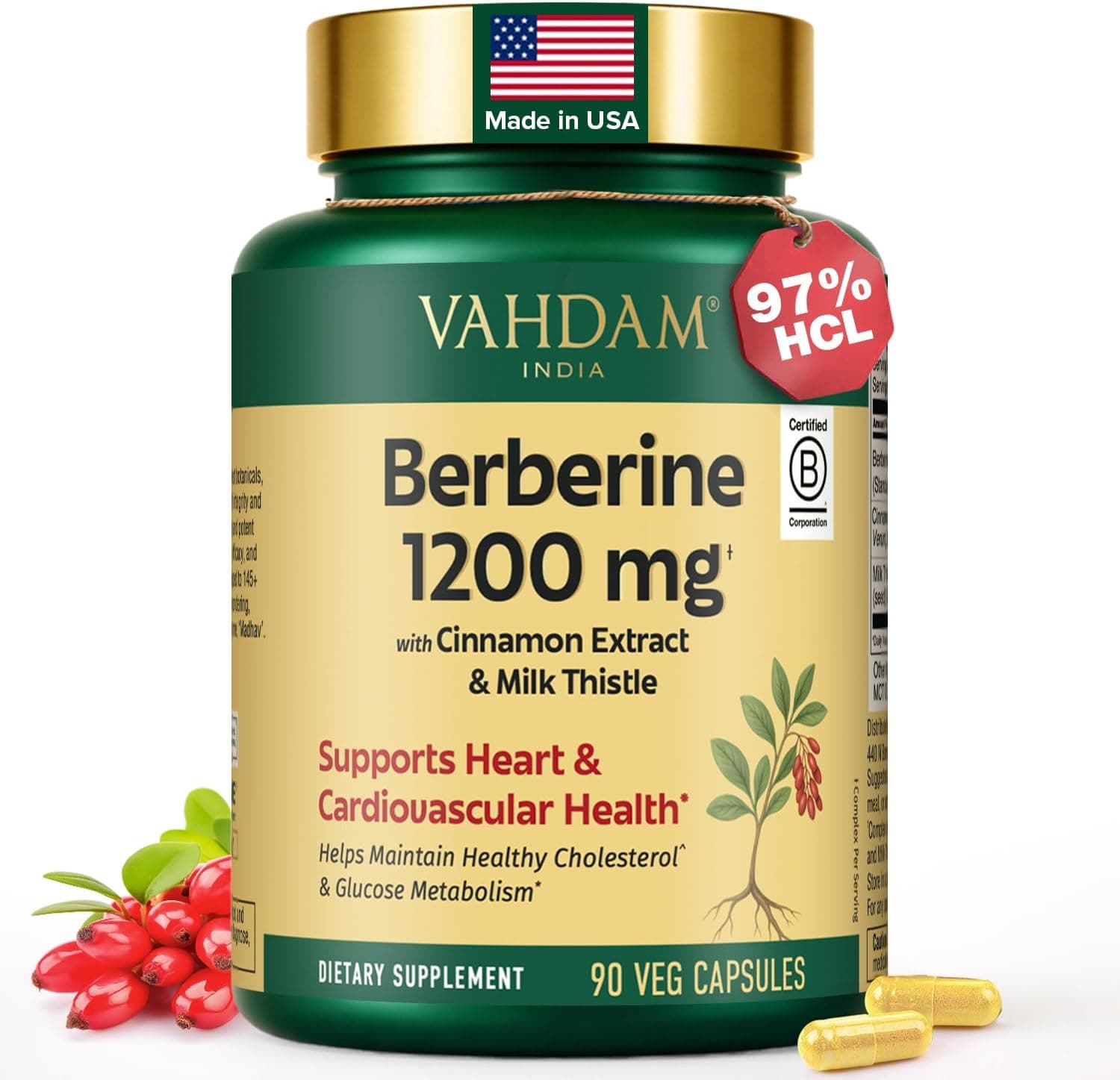
VAHDAM Berberine 97% HCL 1200mg — Glucose Metabolism (90ct)
Berberine HCL 1200mg for glucose metabolism support — check price on Amazon.
VAHDAM Berberine 97% HCL 1200mg — Glucose Met…
Check price on AmazonBerberine hydrochloride is also noted for its role in promoting digestive health. It may help maintain a balanced gut microbiome and alleviate symptoms associated with digestive discomfort. Furthermore, it is sometimes used to support immune function and possesses antioxidant properties that may help protect cells from damage.
When considering its use, it is important to note that it is typically taken in supplement form, and the dosage should be followed as per product instructions. It is often studied for its effects on metabolic processes and cellular health.
Effectiveness and Risk Overview
Condition | Effectiveness | Details |
|---|---|---|
| High Cholesterol | Clinical evidence supports berberine's ability to lower total cholesterol, LDL cholesterol, and triglycerides, with a significant effect observed in several studies. | |
| Metabolic Syndrome | Berberine has been found to improve various components of metabolic syndrome, including insulin resistance, dyslipidemia, and hypertension, as supported by clinical trials. | |
| Insulin Resistance | Clinical trials have demonstrated that berberine improves insulin sensitivity and glucose metabolism, making it beneficial for conditions associated with insulin resistance. | |
| Type 2 Diabetes | Berberine hydrochloride has been shown in multiple clinical trials and meta-analyses to significantly improve glycemic control, reduce HbA1c, and enhance insulin sensitivity. | |
| Hyperlipidemia | Berberine has been consistently shown to improve lipid profiles by reducing total cholesterol, LDL-C, and triglycerides, and sometimes increasing HDL-C. | |
| Inflammatory Bowel Disease | Berberine has shown anti-inflammatory effects in preclinical studies and some clinical trials, suggesting potential benefits for inflammatory bowel disease, though more research is required. | |
| Gut Dysbiosis | Berberine has antimicrobial properties and can modulate gut microbiota, as demonstrated in preclinical and some clinical studies, indicating potential for improving gut dysbiosis. |
Check price on Amazon →#Sponsored