
Banaba is a plant native to Southeast Asia, particularly the Philippines, and is scientifically known as Adenanthera pavonina. Its leaves are the primary part used in traditional medicine and modern supplements, often in the form of extracts or teas.
For centuries, Banaba has been utilized in folk medicine to address various health concerns. The leaves contain a compound called corosolic acid, which is considered the key active component responsible for many of its observed effects. This compound is thought to influence how the body processes sugar and fat.
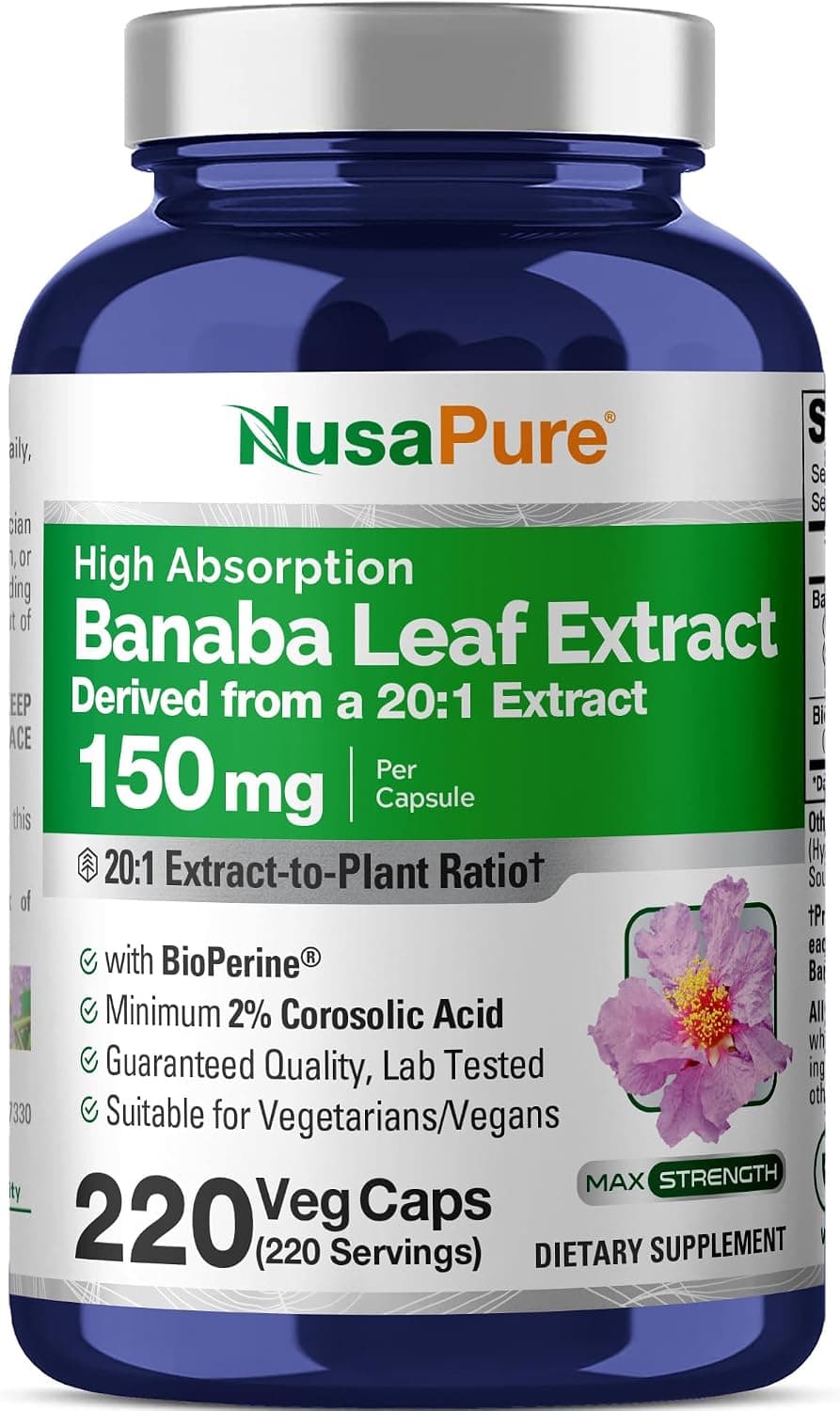
NusaPure Banaba Leaf, 150 mg, 220 Veg Capsules (Non-GMO, Vegan) | Herbal Formula, Lagerstroemia speciosa Leaf 20:1 Extract, Suitable for Adults, Manufactured in a cGMP Registered Facility USA
Banaba — check price on Amazon.
Check price on AmazonNusaPure Banaba Leaf, 150 mg, 220 Veg Capsule…
Check price on AmazonResearch suggests Banaba may be most beneficial for supporting blood sugar management. Studies indicate that corosolic acid can enhance insulin sensitivity and improve glucose uptake by cells, potentially aiding in maintaining healthy blood sugar levels. This has led to its inclusion in supplements aimed at metabolic health support.
Additionally, Banaba is sometimes associated with weight management benefits. Some evidence suggests it may help reduce appetite and promote a feeling of fullness, which could support calorie control. It has also been traditionally used to support kidney function and as a mild diuretic to help with fluid balance.
While Banaba is generally considered safe for most people, its effects can vary. The most significant potential benefits relate to blood sugar regulation and metabolic support, though individual results may differ based on overall health and usage.
Effectiveness and Risk Overview
Condition | Effectiveness | Details |
|---|---|---|
| Type 2 Diabetes | Banaba has been shown to have a significant effect on lowering blood sugar levels in individuals with type 2 diabetes, supported by clinical trials and systematic reviews. | |
| Insulin Sensitivity | Studies have indicated that Banaba extract can improve insulin sensitivity, which is crucial for managing and preventing type 2 diabetes. | |
| Glucose Metabolism Disorders | The active compounds in Banaba, such as corosolic acid, have been demonstrated to improve glucose metabolism, enhancing insulin sensitivity and glucose uptake in cells. | |
| Blood Sugar Control | Banaba has been traditionally used and scientifically studied for its ability to control blood sugar levels, making it a potential adjunct therapy for diabetes management. | |
| Metabolic Syndrome | By improving insulin sensitivity and glucose metabolism, Banaba may help in managing metabolic syndrome, although more specific studies are needed to confirm its effectiveness. |
Check price on Amazon →#Sponsored