
Combination guide
Can you take Acetyl L-Carnitine and PQQ together?
Clear guide to benefits, risks, and synergy when combining Acetyl L-Carnitine and PQQ.
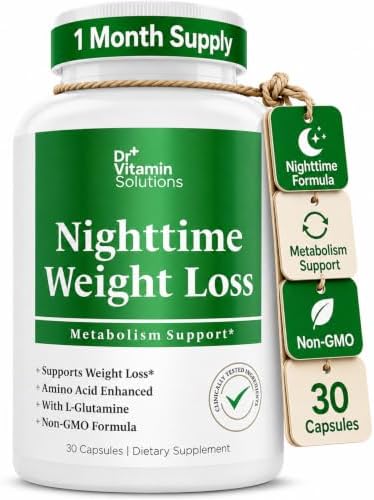
Nighttime Fat Burner for Women — Rest & Recover Lean
Acetyl-L-carnitine based night formula so recovery works while you sleep.
Nighttime Fat Burner for Women — Rest & Recov…
Check price on AmazonTaking Acetyl L-Carnitine and PQQ together creates a potent duo for mitochondrial health and energy production. Acetyl L-Carnitine efficiently shuttles fatty acids into existing mitochondria to generate ATP, while PQQ triggers the creation of new mitochondria through pathways like PGC-1α activation. This complementary action amplifies cellular energy, cognition, and antioxidant protection without absorption conflicts or adverse interactions, suggesting a rating of 4 out of 5.
The Combined Strategy
Pairing Acetyl L-Carnitine with PQQ forms a smart, multi-layered approach to energy and brain support. Acetyl L-Carnitine fuels your cells' power plants right away by moving fats inside for quick energy release, covering immediate daily demands. Meanwhile, PQQ steps in for the long game by sparking the growth of fresh mitochondria, ensuring your body builds resilience against fatigue and aging over time. Together, they deliver both instant vitality and sustained cellular upgrades, making this stack ideal for active lifestyles or mental sharpness.
Body Compatibility
Your digestive system processes these supplements smoothly without clashes. Acetyl L-Carnitine breaks down in the gut and uses specific carnitine transporters to enter the bloodstream, heading straight to muscles and brain cells. PQQ, a small stable molecule, absorbs directly into circulation and distributes widely, including to mitochondria. Since they travel different metabolic paths—fatty acid handling versus biogenesis signaling—there's no competition for uptake or processing, keeping everything efficient and safe even at standard doses.
How They Interact
These two work in harmony on mitochondria but target distinct steps. Acetyl L-Carnitine binds to fatty acids and escorts them across mitochondrial membranes for beta-oxidation, ramping up ATP output from existing structures. PQQ, acting as a redox agent, activates genes like PGC-1α to promote new mitochondrial formation and protect against oxidative stress. With no overlapping receptors or pathways, they enhance each other indirectly, allowing full performance without one blocking the other's effects.
Disclaimer: Some links on this site are affiliate links. As an Amazon Associate, qualifying purchases may earn us a commission. This content is for informational purposes only and is not medical advice.