
Combination guide
Can you take Acetyl L-Carnitine and N-Acetyl Cysteine (NAC) together?
Clear guide to benefits, risks, and synergy when combining Acetyl L-Carnitine and N-Acetyl Cysteine (NAC).
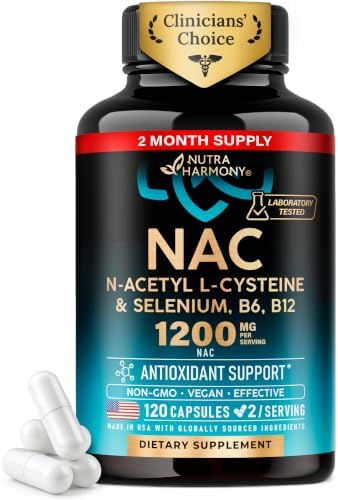
NAC with Selenium, B6 & B12 — Antioxidant Defense
L-Cysteine — check price on Amazon.
NAC with Selenium, B6 & B12 — Antioxidant Def…
Check price on AmazonTaking Acetyl L-Carnitine and N-Acetyl Cysteine (NAC) together provides high synergy by combining mitochondrial energy support with powerful antioxidant protection, targeting brain health and cellular resilience. Acetyl L-Carnitine shuttles fats into cells for efficient energy production, while NAC boosts glutathione to neutralize free radicals and reduce oxidative stress. This complementary action enhances cognitive function, neuroprotection, and recovery from daily stressors without any known negative interactions, suggesting a rating of 4 out of 5.
The Combined Strategy
By combining Acetyl L-Carnitine and N-Acetyl Cysteine (NAC), you build a multi-layered approach to energy, protection, and mental performance. Acetyl L-Carnitine fuels mitochondria by transporting fatty acids inside cells, delivering steady vitality for workouts, focus, or busy days. NAC steps in by replenishing glutathione, your body's master antioxidant, shielding those same energy factories from damage due to pollution, exercise, or aging. This duo covers immediate fuel needs alongside long-term cellular defense, making it ideal for sustained wellness routines.
Body Compatibility
The body handles Acetyl L-Carnitine and NAC via separate, non-competing routes for seamless integration. Acetyl L-Carnitine absorbs quickly in the small intestine, crosses the blood-brain barrier easily thanks to its structure, and heads to mitochondria for fat metabolism. NAC travels to the liver first, where enzymes convert it to cysteine for glutathione production, then spreads systemically. With no shared transporters or enzyme overloads, they coexist without slowing each other down or causing digestive clashes.
How They Interact
Acetyl L-Carnitine works mainly by aiding fatty acid entry into mitochondria and boosting brain neurotransmitters like acetylcholine for sharp thinking. NAC operates differently, donating sulfur groups to build glutathione and balance redox states, while also thinning mucus in airways. These paths complement each other perfectly—ALCAR ramps up energy output, and NAC protects against the oxidative byproducts, creating amplified benefits for brain cells and overall recovery without any molecular overlap or conflict.
Disclaimer: Some links on this site are affiliate links. As an Amazon Associate, qualifying purchases may earn us a commission. This content is for informational purposes only and is not medical advice.