
Combination guide
Can you take Acetyl L-Carnitine and Alpha Linolenic Acid together?
Clear guide to benefits, risks, and synergy when combining Acetyl L-Carnitine and Alpha Linolenic Acid.
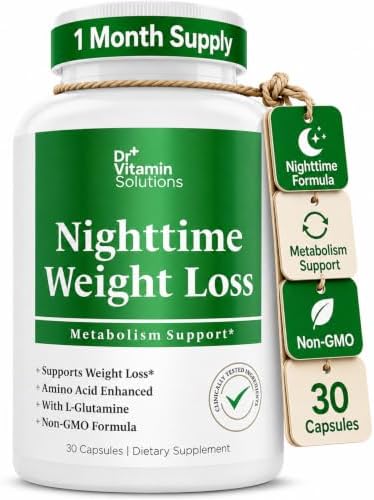
Nighttime Fat Burner for Women — Rest & Recover Lean
Acetyl-L-carnitine based night formula so recovery works while you sleep.
Nighttime Fat Burner for Women — Rest & Recov…
Check price on AmazonTaking Acetyl L-Carnitine and Alpha Linolenic Acid together provides a smart, complementary boost to energy metabolism and overall cardiovascular wellness without any known conflicts. Acetyl L-Carnitine excels at shuttling fatty acids into cells for efficient energy production, while Alpha Linolenic Acid supplies vital omega-3 building blocks that fight inflammation and support heart and brain function. Their separate yet harmonious roles make them a logical pairing for daily health routines, suggesting a rating of 3 out of 5.
The Combined Strategy
Pairing Acetyl L-Carnitine with Alpha Linolenic Acid creates a dual-action plan that addresses both immediate energy needs and long-term inflammatory balance. Acetyl L-Carnitine optimizes fat burning for steady fuel during workouts or daily tasks, while Alpha Linolenic Acid delivers plant-based omega-3s to protect arteries and sharpen focus. Together, they form a well-rounded foundation for active lifestyles, covering metabolic efficiency and cellular protection in one simple stack.
Body Compatibility
Your digestive system processes these supplements along distinct paths, ensuring smooth handling. Acetyl L-Carnitine, being water-soluble, gets absorbed quickly in the small intestine and heads straight to muscles and the brain for energy support. Alpha Linolenic Acid, a fat-soluble omega-3, rides along with meals into the lymphatic system before entering the bloodstream for gradual conversion. These separate routes prevent any absorption clashes or metabolic backups, allowing full utilization of both.
How They Interact
Acetyl L-Carnitine works mainly by ferrying fatty acids across mitochondrial membranes to spark energy production through oxidation. Alpha Linolenic Acid, meanwhile, acts as a precursor that your body elongates into anti-inflammatory EPA and DHA for membrane health. Their mechanisms don't overlap or compete—Acetyl L-Carnitine could even enhance the processing of Alpha Linolenic Acid's fats—making coexistence straightforward and interference-free.
Disclaimer: Some links on this site are affiliate links. As an Amazon Associate, qualifying purchases may earn us a commission. This content is for informational purposes only and is not medical advice.