Combination guide
Can you take Acai and Lactobacillus reuteri together?
Clear guide to benefits, risks, and synergy when combining Acai and Lactobacillus reuteri.
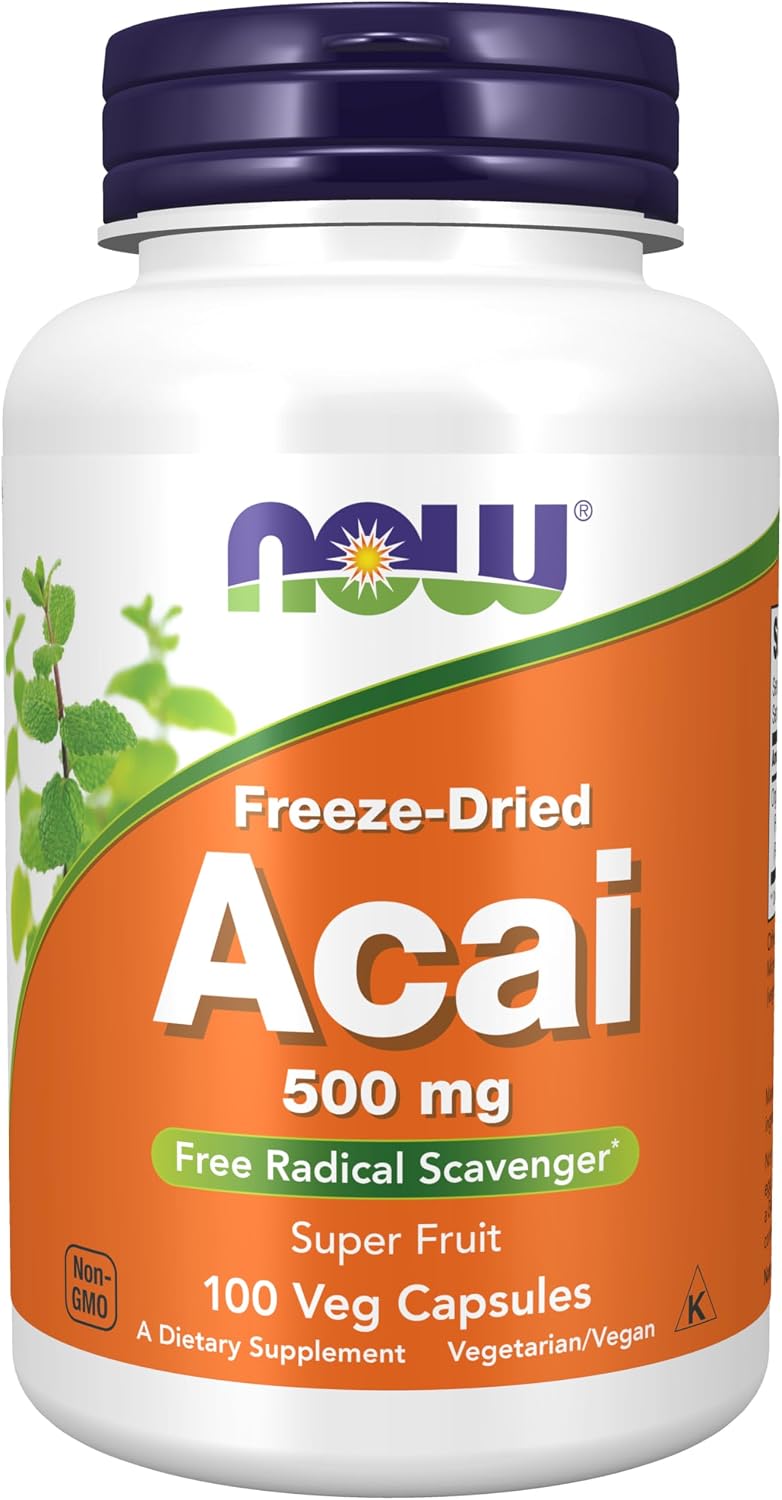
NOW Supplements, Acai 500 mg, Freeze-Dried Super Fruit, 100 Veg Caps
Acai — check price on Amazon.
NOW Supplements, Acai 500 mg, Freeze-Dried Su…
Check price on AmazonTaking Acai and Lactobacillus reuteri together offers high synergy because acai's fiber and polyphenols act as prebiotics that nourish beneficial gut bacteria like Lactobacillus reuteri, enhancing its colonization and activity in the intestines. This combination supports a healthier gut microbiome, better digestion, and amplified antioxidant effects from acai, as a balanced gut improves nutrient absorption overall. Their complementary roles in gut health make them a powerful duo without any known conflicts, suggesting a rating of 4 out of 5.
The Combined Strategy
By combining acai and Lactobacillus reuteri, you create a dual-action approach to gut wellness that tackles both protection and population balance. Acai delivers potent antioxidants and fermentable fibers that shield gut cells from oxidative stress while feeding good bacteria. Meanwhile, Lactobacillus reuteri actively populates the gut to crowd out harmful microbes and strengthen the intestinal barrier. This partnership covers immediate antioxidant defense and long-term microbial harmony, making your daily routine more effective for sustained digestive comfort and immune support.
Body Compatibility
The body processes acai and Lactobacillus reuteri through harmonious gut pathways without overlap or interference. Acai berries break down in the stomach and small intestine, releasing fibers and polyphenols that reach the colon for fermentation by gut bacteria. Lactobacillus reuteri, as a live probiotic, survives stomach acid and adheres to the intestinal lining to multiply. Since acai's components fuel bacterial growth rather than competing for space, they travel complementary routes, ensuring smooth metabolism and full benefits for both.
How They Interact
Acai and Lactobacillus reuteri interact positively through acai's prebiotic-like effects, where its polyphenols and fibers serve as food sources that boost the probiotic's survival and efficacy. Acai primarily neutralizes free radicals and modulates the gut environment, while Lactobacillus reuteri produces antimicrobial compounds and reinforces the gut lining. Their mechanisms complement each other without rivalry, as acai enhances the probiotic's niche, leading to improved microbial diversity and function together.
Disclaimer: Some links on this site are affiliate links. As an Amazon Associate, qualifying purchases may earn us a commission. This content is for informational purposes only and is not medical advice.