
Le glucosinolate de sulforaphane (SGS) est un composé naturellement présent dans les légumes crucifères, en particulier le brocoli, le chou-fleur et le chou kale. Il est un précurseur du sulforaphane, un puissant antioxydant et agent anti-inflammatoire. Certains des avantages du SGS incluent :
- Propriétés anti-cancéreuses
- Effets anti-inflammatoires
- Santé cardiovasculaire
- Effets neuroprotecteurs
- Soutien à la détoxification
Editor's pick
#Sponsored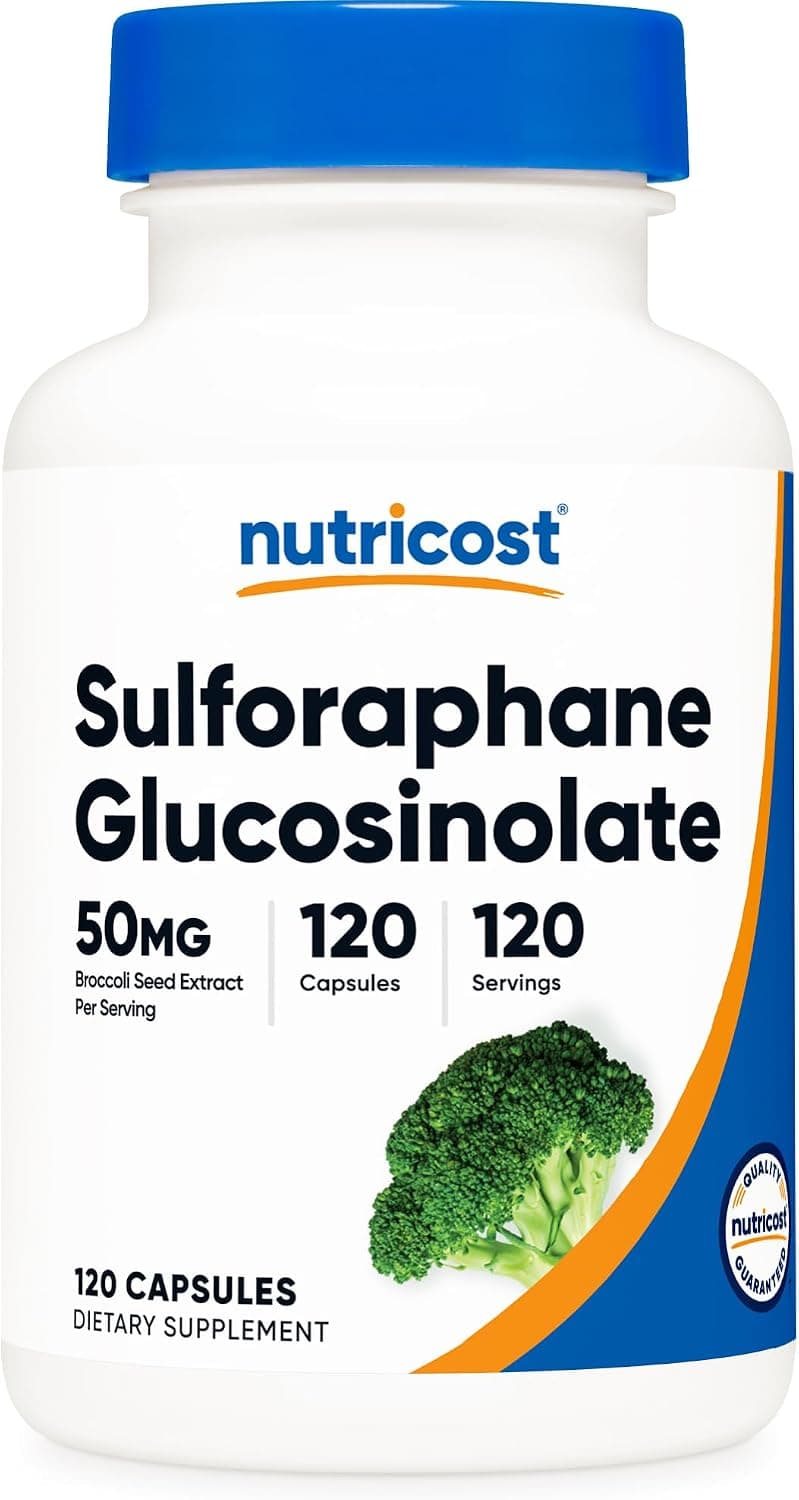
Nutricost Sulforaphane Glucosinolate (SGS) 120 Capsules | 50 mg Broccoli Seed Extract Per Serving
Sulforaphane (SGS) — check price on Amazon.
Voir le prix sur AmazonNutricost Sulforaphane Glucosinolate (SGS) 12…
Voir le prix sur AmazonAperçu de l'Efficacité et des Risques
Condition | Efficacité | Détails |
|---|---|---|
| Inflammation | Sulforaphane has anti-inflammatory effects, supported by multiple clinical and preclinical studies. | |
| Détoxification | Sulforaphane is known to enhance detoxification processes, supported by its effect on Nrf2 pathway activation. | |
| Réduction du stress oxydatif | Sulforaphane has been shown to have antioxidant properties, reducing oxidative stress in various studies. | |
| Soutien du système immunitaire | Sulforaphane has been shown to support immune function, potentially enhancing the body's defense against infections. | |
| Santé cardiovasculaire | Sulforaphane may contribute to cardiovascular health through its antioxidant, anti-inflammatory, and potential antihypertensive effects. | |
| Maladies Neurodégénératives | Preliminary evidence suggests neuroprotective effects, potentially beneficial for neurodegenerative diseases, but more human studies are required. | |
| Santé gastro-intestinale | Sulforaphane may have protective effects on the gastrointestinal tract, potentially benefiting conditions like gastritis or Helicobacter pylori infection. |
Voir le prix sur Amazon →#Sponsored